

Hip bursitis vs. arthritis: How to tell the difference

Fitness for longevity: Which type matters most?

Ministrokes linked to elevated risk of dementia

Continuous glucose monitors benefit people who don't need insulin

CoQ10: Should you take this popular supplement if you're on a statin?

Microplastics: A hidden health threat?

Oat vs. dairy milk: Nutrition, benefits, and downsides

What is tempeh? Benefits, nutrition, and how to use it

Healing after food poisoning

Whole grains may improve several heart risk factors at once
Preventive care Archive
Articles
Could frequent, painful canker sores be a sign of Behçet's disease?
Lingering ulcers can signal more than simple canker sores. Learn about possible triggers, related conditions, and who should evaluate you.

Is MRI contrast dye safe?
MRI contrast dye is widely used and considered safe. It helps highlight blood vessels, tumors, and other structures to improve diagnostic accuracy. Rarely, contrast dye can trigger a serious condition called nephrogenic systemic fibrosis in people with advanced kidney disease.
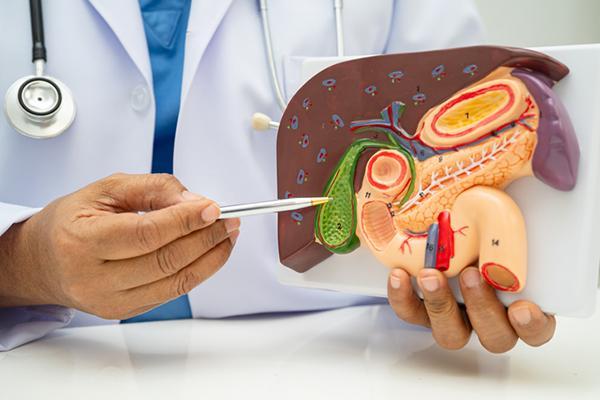
Do gallstones always need treatment?
Not all cases of gallstones need treatment. Many people have gallstones that never cause pain or other symptoms and can be left alone. But if gallstones cause persistent pain or other symptoms, doctors often opt to surgically remove the gallbladder.
High-dose flu shot may lower risk of Alzheimer's
A 2026 study suggested that getting a high-dose flu shot may reduce older adults’ risk of developing Alzheimer’s disease compared with a standard-dose flu shot.

Keeping coffee to mornings may better protect the heart
A 2025 study found that morning coffee drinkers faced lower odds of dying from cardiovascular disease-or any cause-over a 10-year period compared with people who drank coffee all day or people who didn't drink coffee at all.

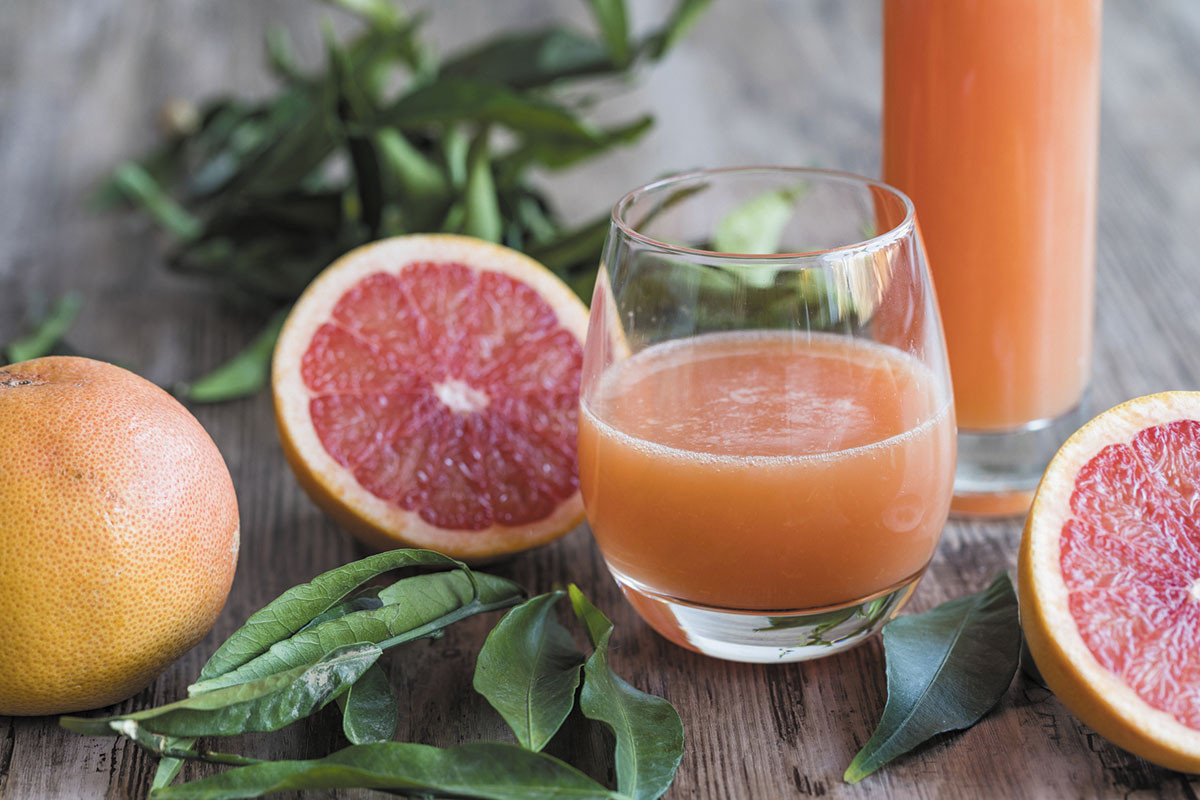
Heart medication interactions
Certain drugs, supplements, or foods can interact with common heart medications. Known as drug-drug or drug-nutrient interactions, these can occur at any point of the drug's "life cycle:" absorption, metabolism, or excretion. When a drug or other substance alters the absorption or metabolism of another drug, this may reduce or increase its effects. For example, grapefruit juice can elevate blood levels of certain statins and potentially increase the risk of side effects.

A new angle on aging in place: The virtual village
A virtual village is a group of older adults who live in their own homes, near each other, and agree to help each other. They form a self-governing nonprofit organization and volunteer to provide village services such as transportation, friendly visits, errands, exercise and social events, a dedicated hotline, and referrals to vetted services and suppliers. The village won't replace an assisted living facility or nursing home, but it may help delay the transition.


Taking an aging parent to the doctor? 10 helpful tips
When you take an aging parent to a medical appointment, you wind up playing many roles. Millions of people in the US are caring for family members and are learning as they go along, so they can benefit from tips to keep them on track before, during, and after the appointment.
Hip bursitis vs. arthritis: How to tell the difference
Fitness for longevity: Which type matters most?
Ministrokes linked to elevated risk of dementia
Continuous glucose monitors benefit people who don't need insulin
CoQ10: Should you take this popular supplement if you're on a statin?
Microplastics: A hidden health threat?
Oat vs. dairy milk: Nutrition, benefits, and downsides
What is tempeh? Benefits, nutrition, and how to use it
Healing after food poisoning
Whole grains may improve several heart risk factors at once
Free Healthbeat Signup
Get the latest in health news delivered to your inbox!
Sign Up
