

Hip bursitis vs. arthritis: How to tell the difference

Fitness for longevity: Which type matters most?

Ministrokes linked to elevated risk of dementia

Continuous glucose monitors benefit people who don't need insulin

CoQ10: Should you take this popular supplement if you're on a statin?

Microplastics: A hidden health threat?

Oat vs. dairy milk: Nutrition, benefits, and downsides

What is tempeh? Benefits, nutrition, and how to use it

Healing after food poisoning

Whole grains may improve several heart risk factors at once
Preventive care Archive
Articles

Extreme heat: Staying safe if you have health issues
Climate change has made life-threatening heat waves increasingly common across the globe. Anyone with health issues will have a more difficult time in extreme heat, including older people and people with diabetes, heart disease, asthma, and other conditions. Be prepared by knowing how to identify and treat heat-related illness, and how to plan for hot days.

Should men over 70 with a family history still get a PSA test?
A 77-year-old man with a brother who died of prostate cancer weighs the pros and cons of PSA screening with age, health, and risk in mind.

Atherosclerosis: Can AI help your doctor detect it?
Using an AI algorithm on a coronary computed tomography angiogram can quantify the type and amount of plaque in the heart’s arteries. But whether that information can help prevent more heart attacks remains to be seen.

Should you schedule your exercise based on your circadian rhythm?
A small, short-term 2026 study suggests that people who schedule their exercise to align with their chronotype—the body’s natural sleep and wake cycle—may lower their heart risk factors more than those who exercise at times that don’t align with their chronotype.

Can MRSA return after treatment?
A MRSA infection may be treatable, yet the bacteria can sometimes remain on the body and return. Find out what recovery and prevention involve.

Harvard study links ultra-processed foods to higher rates of cognitive decline, dementia
A major Harvard study adds more evidence that a healthy diet may protect your brain. Older adults who ate the most ultra-processed foods were found to have substantially higher risks of dementia and cognitive decline, while those eating more minimally processed foods had lower risks.
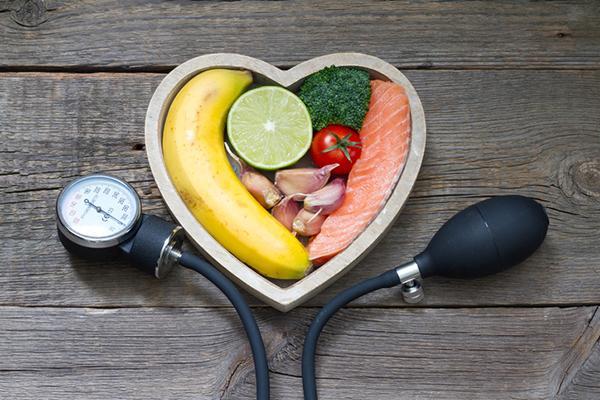
A guide to the DASH diet
The DASH diet is a flexible, science-backed eating plan proven to lower blood pressure, while also reducing risks of heart disease, diabetes, cancer, and cognitive decline. Emphasizing vegetables, fruits, whole grains, and low-fat dairy products, it’s a healthy way to eat that suits almost everyone.

What are pulmonary calcifications?
Calcium deposits in the lungs can follow infections, bleeding, high calcium levels, or past exposures. Doctors will review imaging test results and medical history to help clarify their significance.
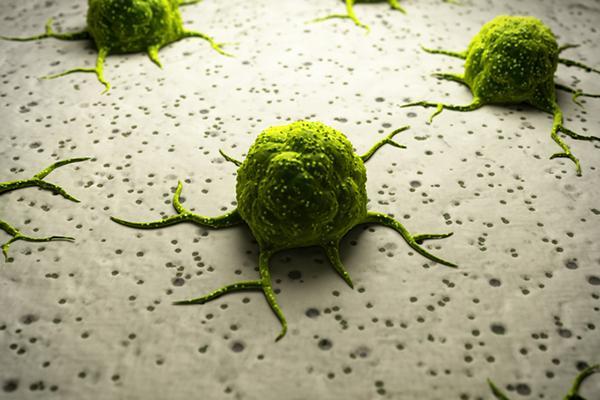
Why does cancer risk increase as we get older?
Aging is the single biggest risk factor for developing cancer. As people get older, DNA damage accumulates in cells, and chronic inflammation and imbalances in gut bacteria become more common. All of these factors may contribute to the age-related increase in cancer cases.

What should pregnant women know about flu shots?
Pregnancy can change the balance of risks and benefits around flu vaccination. Key safety considerations may help guide a discussion with your obstetrician.
Hip bursitis vs. arthritis: How to tell the difference
Fitness for longevity: Which type matters most?
Ministrokes linked to elevated risk of dementia
Continuous glucose monitors benefit people who don't need insulin
CoQ10: Should you take this popular supplement if you're on a statin?
Microplastics: A hidden health threat?
Oat vs. dairy milk: Nutrition, benefits, and downsides
What is tempeh? Benefits, nutrition, and how to use it
Healing after food poisoning
Whole grains may improve several heart risk factors at once
Free Healthbeat Signup
Get the latest in health news delivered to your inbox!
Sign Up
