

Hip bursitis vs. arthritis: How to tell the difference

Fitness for longevity: Which type matters most?

Ministrokes linked to elevated risk of dementia

Continuous glucose monitors benefit people who don't need insulin

CoQ10: Should you take this popular supplement if you're on a statin?

Microplastics: A hidden health threat?

Oat vs. dairy milk: Nutrition, benefits, and downsides

What is tempeh? Benefits, nutrition, and how to use it

Healing after food poisoning

Whole grains may improve several heart risk factors at once
Preventive care Archive
Articles

Flavonoid-rich foods may fuel healthier aging
A 2025 study suggests that consuming higher amounts of flavonoids such as berries, apples, oranges, and black tea may promote healthier aging, particularly in women.

The case for watching your blood sugar
Being mindful of how various factors affect blood sugar levels can help people avoid fatigue, curb cravings, boost mood, and manage weight. Blood sugar spikes after people eat carbohydrate-heavy foods, soon dropping again. Eating balanced meals and snacks that include protein, fat, and carbohydrates can maintain more stable blood sugar levels. People can keep blood sugar levels consistent by timing meals, practicing portion control, prioritizing healthy foods, staying active, avoiding smoking, and keeping a food log.
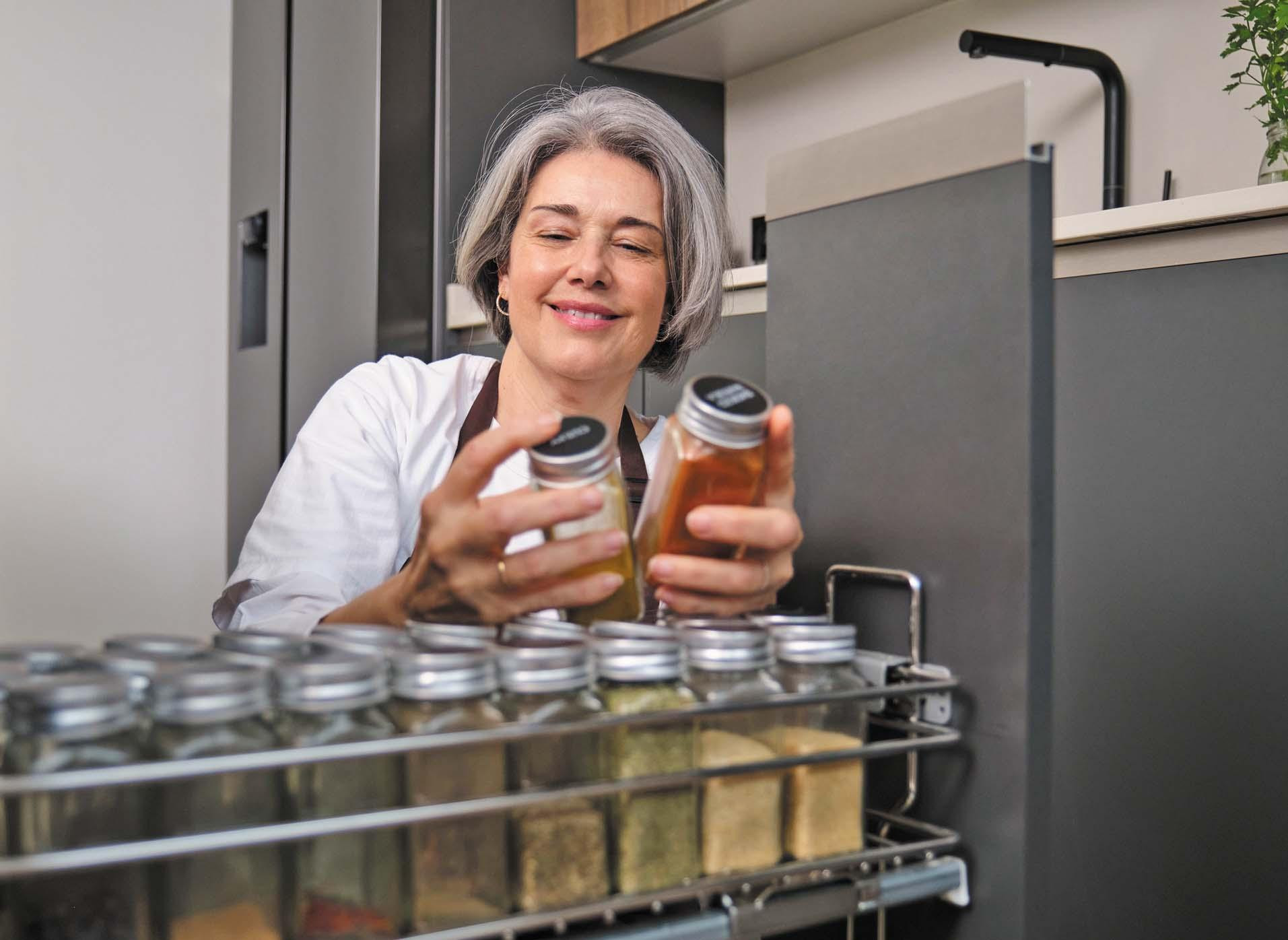
Spice up your holidays
Many spices inhibit damaging inflammation that can cause or worsen a variety of chronic diseases. Four beloved holiday spices-cinnamon, cloves, ginger, and turmeric-boast a variety of health benefits, but need to be used liberally to maximize the effects. People can challenge their palates to use more spices all year long by trying new recipes, testing spices in restaurant or ready-made meals, and bringing spice-laden dishes their ancestors once enjoyed to their own tables.

Can nicotine patches promote weight loss?
No evidence suggests that nicotine patches promote weight loss. Nicotine suppresses appetite but also raises health risks such as high blood pressure and narrowed arteries. People can talk to a doctor about medically supervised weight loss.
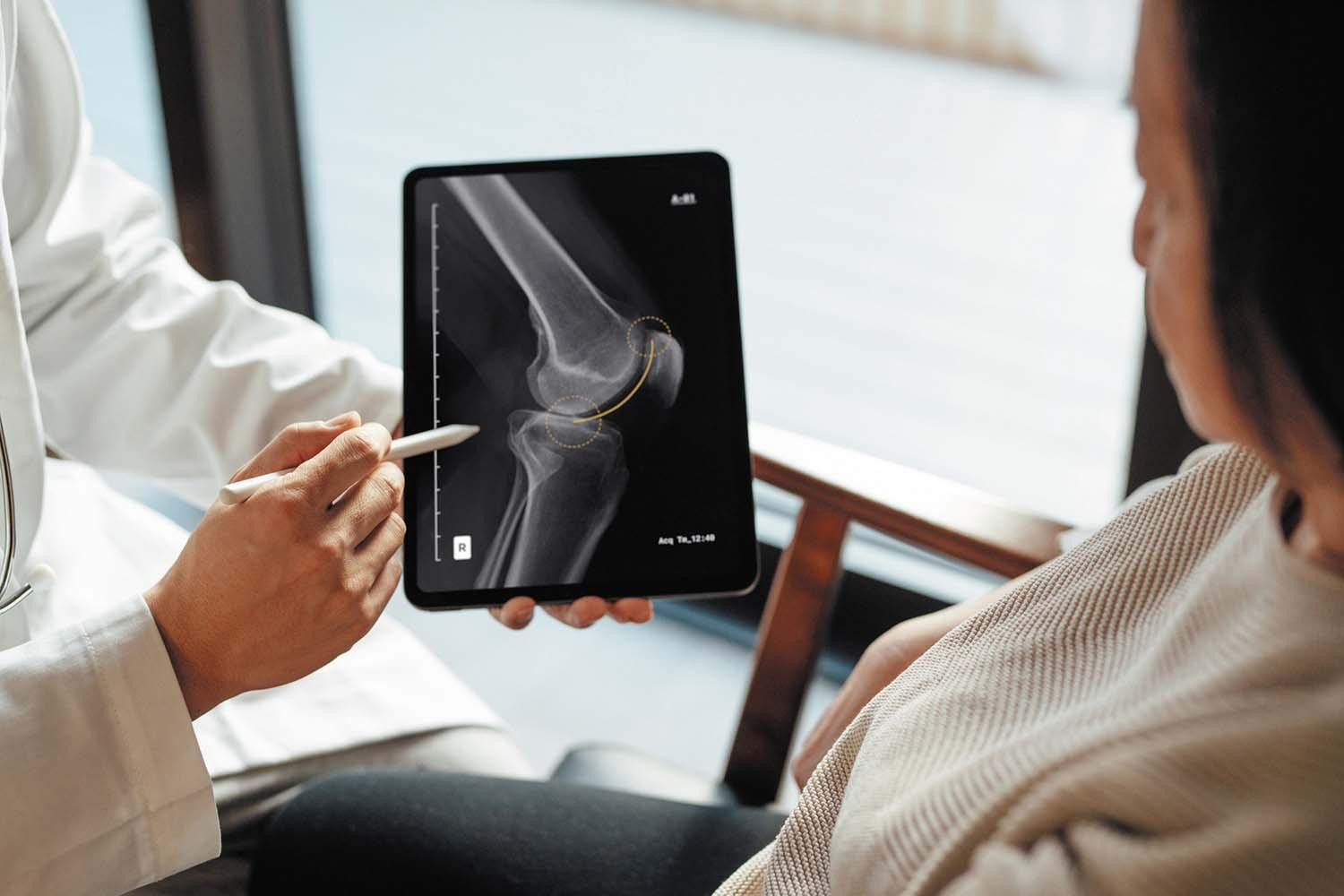
When does an injury require an x-ray?
X-rays can detect a broken bone, dislocation, or joint problem. People should seek an x-ray if an injury results in severe pain; severe or persistent swelling or bruising; difficulty moving or bearing weight; or a noticeable deformity.

Is your sleep position helping or hurting you?
A variety of health conditions can be influenced by sleep position. Side sleeping helps people breathe easier, hampers heartburn, and is safer during pregnancy, but it may aggravate joint pain. Back sleeping keeps the spine straighter, but can intensify breathing problems, worsen heartburn, and cause other problems during pregnancy. People should talk to their doctor if they have a health condition that could be affected by the way they sleep, but otherwise can sleep in the position that is most comfortable for them.

The complicated risks of simple cold remedies
Over-the-counter cold remedies can be helpful, but they must be carefully considered before use. They contain drugs that can cause serious side effects, interact with other medications, and worsen certain health conditions. For example, decongestants can help ease a stuffy nose but also can increase blood pressure and heart rate. And cough suppressants can help someone stop coughing, but taking too much can cause dizziness, confusion, or even changes in mood or thinking.

How many servings of cruciferous vegetables should you eat to fight colon cancer?
A 2025 study that included 97,000 people found that those who ate the most cruciferous vegetables-between 20 and 40 grams per day-had a 17% lower risk of developing colon cancer, compared with people who ate the least.

Respiratory syncytial virus (RSV) tied to heart problems
A 2025 study suggests that respiratory syncytial virus (RSV) can lead to heart-related complications, such as a heart attack, chronic heart failure, or an irregular heartbeat-even in people without a previous heart condition.

Urgent care clinics linked to unnecessary prescriptions
A 2025 study suggests that urgent care clinics frequently prescribe prescription medications inappropriately for conditions such as ear infections, bronchitis, sprains or strains, or digestive discomfort.
Hip bursitis vs. arthritis: How to tell the difference
Fitness for longevity: Which type matters most?
Ministrokes linked to elevated risk of dementia
Continuous glucose monitors benefit people who don't need insulin
CoQ10: Should you take this popular supplement if you're on a statin?
Microplastics: A hidden health threat?
Oat vs. dairy milk: Nutrition, benefits, and downsides
What is tempeh? Benefits, nutrition, and how to use it
Healing after food poisoning
Whole grains may improve several heart risk factors at once
Free Healthbeat Signup
Get the latest in health news delivered to your inbox!
Sign Up
