

Hip bursitis vs. arthritis: How to tell the difference

Fitness for longevity: Which type matters most?

Ministrokes linked to elevated risk of dementia

Continuous glucose monitors benefit people who don't need insulin

CoQ10: Should you take this popular supplement if you're on a statin?

Microplastics: A hidden health threat?

Oat vs. dairy milk: Nutrition, benefits, and downsides

What is tempeh? Benefits, nutrition, and how to use it

Healing after food poisoning

Whole grains may improve several heart risk factors at once
Preventive care Archive
Articles

Can you take a break from healthy eating?
While a healthy eating plan is crucial for health, bending the rules on occasion probably won't hurt most people. One strategy to try is the 90-10 rule-eating healthy foods 90% of the time and splurging on unhealthy foods 10% of the time. For example, if someone eats three meals a day for a week, for a total of 21 meals, the person would be able to splurge on 10% (about two) of the meals. Dietitians warn that applying the 90-10 rule to every meal can lead to trouble, such as weight gain.

Improve your balance with tai chi this winter
Tai chi uses a series of gentle, flowing motions and slow, deep breathing to exercise the body and calm the mind. It's good for health in many ways, especially for balance, which improves as the body becomes more attuned to changes in movement. Tai chi can be practiced outdoors as well as indoors, which is helpful during winter months. To get started in a tai chi practice, it helps to take a class with an instructor who supervises practitioners' progress. Classes can be found at wellness centers and health clubs.

Enjoy eggs - just skip the bacon
Eating two eggs per day doesn't appear to raise harmful LDL cholesterol, as long as people follow a diet low in saturated fat. Although eggs are high in cholesterol, dietary cholesterol doesn't have much of an effect on the amount in a person's bloodstream. But excess dietary saturated fat does raise blood cholesterol, which is why people should limit their saturated fat to 7% of their daily calories.

When do I need an imaging test for my back pain?
An x-ray, CT scan, or MRI is usually not needed for addressing low back pain unless people have other symptoms or risk factors for a serious condition. Short-term rest, heat or cold, and over-the-counter medication can ease discomfort until the back pain goes away.

Prostate cancer diagnoses on the rise, says study
More men are being diagnosed with prostate cancer, according to a 2025 study. Black men have a higher incidence of cancer and are twice as likely to die from the condition compared with white men.

Urine and your health
A urine test, also known as a urinalysis, can reveal a great deal about a person's health. The kidneys produce urine to remove excess fluid and waste products from the body. But urine also contains various chemicals, minerals, toxins, bacteria, and red and white blood cells. Analyzing a urine sample with visual, chemical, and microscopic exams can reveal the presence and amounts of these substances, which can provide clues to specific conditions.
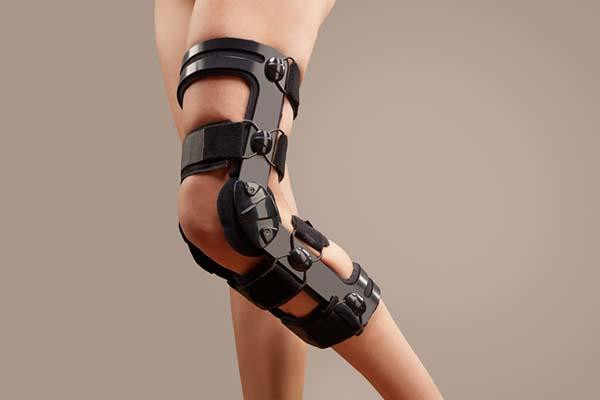
Knee braces, hydrotherapy, and exercise stand out as the best nondrug therapies for knee osteoarthritis
Among 12 physical therapy approaches for knee osteoarthritis compared in a 2025 study, three stood out. Knee braces, followed by hydrotherapy (exercise in water) and exercise (strength training and aerobics), were best for reducing pain and stiffness and improving physical function.

Mediterranean diet may lower risk of Alzheimer's disease in people with high-risk genes
A 2025 study of over 5,600 women and men followed for over 30 years found that following a Mediterranean diet may reduce the risk of Alzheimer's disease and improve cognitive function. The effect is strongest in people who carry two copies of the Alzheimer's risk gene APOE4.

How to return to fitness after total knee replacement
Complete recovery from total knee replacement surgery can take six to 12 months. Working with a physical therapist to regain strength and mobility, most people can return to normal daily function within three months. It's important to remain active once physical therapy concludes. Lower-impact activities, such as walking, hiking, biking, swimming, golfing, strength training, and aerobic activities, are recommended. High-impact activities, such as running, may shorten the life span of the implant.
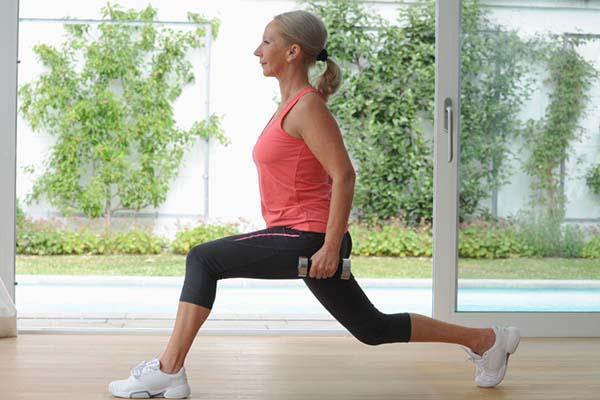
Are lunges safe for older adults?
An exercise routine that targets muscles in the legs and buttocks can help build the strength and stability that are essential for daily functioning. Lunges are an excellent exercise for this. Older adults can do them safely if they have sufficient leg strength to do the exercise correctly. For those who lack the necessary strength, modified versions can be done until it's possible to gradually work up to doing the full lunge. Once that is mastered, more advanced versions include the side lunge and walking lunge. Holding weights can increase the challenge.
Hip bursitis vs. arthritis: How to tell the difference
Fitness for longevity: Which type matters most?
Ministrokes linked to elevated risk of dementia
Continuous glucose monitors benefit people who don't need insulin
CoQ10: Should you take this popular supplement if you're on a statin?
Microplastics: A hidden health threat?
Oat vs. dairy milk: Nutrition, benefits, and downsides
What is tempeh? Benefits, nutrition, and how to use it
Healing after food poisoning
Whole grains may improve several heart risk factors at once
Free Healthbeat Signup
Get the latest in health news delivered to your inbox!
Sign Up
