

Hip bursitis vs. arthritis: How to tell the difference

Fitness for longevity: Which type matters most?

Ministrokes linked to elevated risk of dementia

Continuous glucose monitors benefit people who don't need insulin

CoQ10: Should you take this popular supplement if you're on a statin?

Microplastics: A hidden health threat?

Oat vs. dairy milk: Nutrition, benefits, and downsides

What is tempeh? Benefits, nutrition, and how to use it

Healing after food poisoning

Whole grains may improve several heart risk factors at once
Psoriasis Archive
Articles

Coronavirus: What parents should know and do
It’s natural for parents to be worried about whether their children could be at risk from the novel coronavirus. While there is much that is still not known, common sense and simple public health precautions will help protect everyone.

The new coronavirus: What we do — and don’t — know
A novel coronavirus outbreak in Wuhan, China, has grown quickly since late December. This primer on what we do –– and don’t –– know can help if you’re concerned about this rapidly evolving public health issue.


Hair thinning? Get to the root of the problem

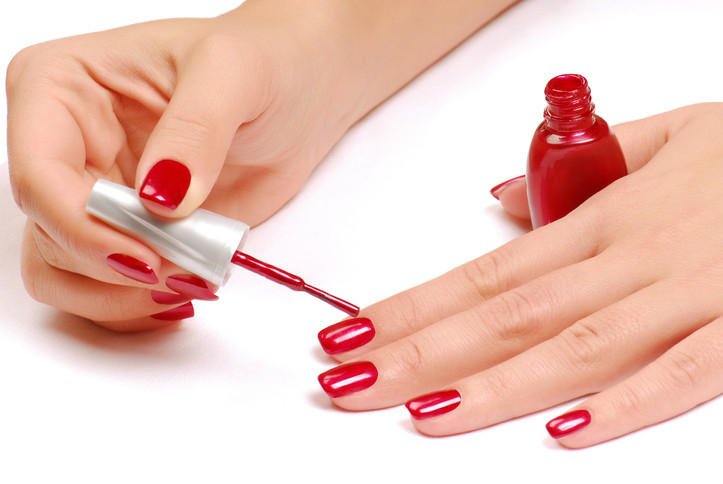
A look at the effects of nail polish on nail health and safety
Different types of nail polish can have varying effects on fingernails, and have pros and cons depending on the chemicals used in making them.
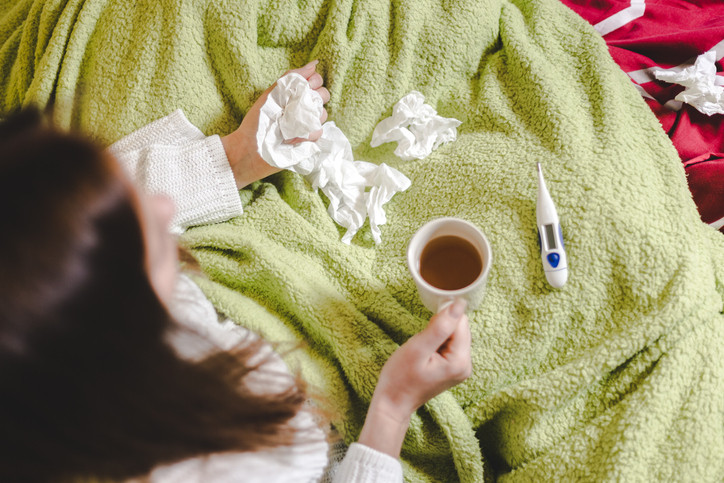
Bad flu season predicted — did you get your shot?
This year’s flu season may be severe. Almost everyone should get vaccinated, but which vaccine might be best for you? And how else can you avoid the flu?

How do I get rid of dandruff?
Ask the doctors
Q. I have terrible dandruff that just doesn't seem to ever clear up. What can I do to treat it?
A. For most people, using a dandruff shampoo once or twice a week can control this annoying condition, in which the skin on the scalp becomes dry and flakes off. But in some cases, the condition doesn't clear up and actually requires medical attention.


Get relief from eczema
Eczema is an itchy rash that's often hard to get rid of. Most people can't help scratching it, which further irritates the skin. Eczema is often, but not always, related to allergies. A common cause is your skin overreacting to everyday irritants, such as dust, soaps and detergents, or even dry, cold air, which triggers an intensely itchy allergic reaction.
Skin affected by eczema becomes dehydrated and dry easily, so treatment involves rehydrating the skin. Baths and showers must be short and not too hot. Afterwards, gently pat your skin dry and promptly apply moisturizers while your skin is still moist. Thick creams that lock in the moisture help the most. Be sure to choose creams or lotions without fragrances or preservatives. Limit the use of soaps and shampoos, too. These products remove the skin's natural oils and worsen dryness. And over-the-counter oral antihistamines can help with the ferocious itch.
Hip bursitis vs. arthritis: How to tell the difference
Fitness for longevity: Which type matters most?
Ministrokes linked to elevated risk of dementia
Continuous glucose monitors benefit people who don't need insulin
CoQ10: Should you take this popular supplement if you're on a statin?
Microplastics: A hidden health threat?
Oat vs. dairy milk: Nutrition, benefits, and downsides
What is tempeh? Benefits, nutrition, and how to use it
Healing after food poisoning
Whole grains may improve several heart risk factors at once
Free Healthbeat Signup
Get the latest in health news delivered to your inbox!
Sign Up
