

Hip bursitis vs. arthritis: How to tell the difference

Fitness for longevity: Which type matters most?

Ministrokes linked to elevated risk of dementia

Continuous glucose monitors benefit people who don't need insulin

CoQ10: Should you take this popular supplement if you're on a statin?

Microplastics: A hidden health threat?

Oat vs. dairy milk: Nutrition, benefits, and downsides

What is tempeh? Benefits, nutrition, and how to use it

Healing after food poisoning

Whole grains may improve several heart risk factors at once
Psoriasis Archive
Articles


Choosing a good moisturizer for your skin
A good moisturizer is one of the foundations of an effective skin care regimen for dry, older skin. Moisturizers can soothe dry skin and make wrinkles less noticeable, even though the effect is temporary. But with so many to choose from, how do you decide?
Petroleum jelly is one of the most effective moisturizers, especially when used right after bathing to seal in moisture. It is also one of the least expensive. But many people dislike using it on their faces because it looks and feels greasy. Instead, creams and lotions that contain some water are a better choice for a facial moisturizer. Many of these creams and lotions are humectants, an oil-free class of moisturizer that binds water to skin, so the smoothing, softening effects may last longer.

Prescription cream may lower risk for repeat skin cancers
In the journals
A prescription cream called 5-fluorouracil (5-FU, sold as Adrucil and other brands) may help people reduce their risk for squamous cell carcinoma (SCC), according to a study published in the Jan. 3, 2017, JAMA Dermatology. SCC, the second most common cancer in the United States, strikes twice as many men as women.
Researchers recruited 932 people, 98% of whom were men, with an average age of 71. Each had experienced at least two skin cancers — SCC, basal cell carcinoma (BCC, the most common skin cancer), or both — on their face or ears within the past five years. They were randomly assigned to receive either the 5-FU cream or a placebo cream. Everyone applied a thin layer twice a day to their face and ears for up to four weeks. Over the course of a year, the 5-FU group had a 75% lower incidence of SCC compared with the placebo group. They also had a 11% lower incidence of BCC, but this difference was not statistically significant. It's not known why 5-FU helped prevent SCC but not BCC, according to the researchers.
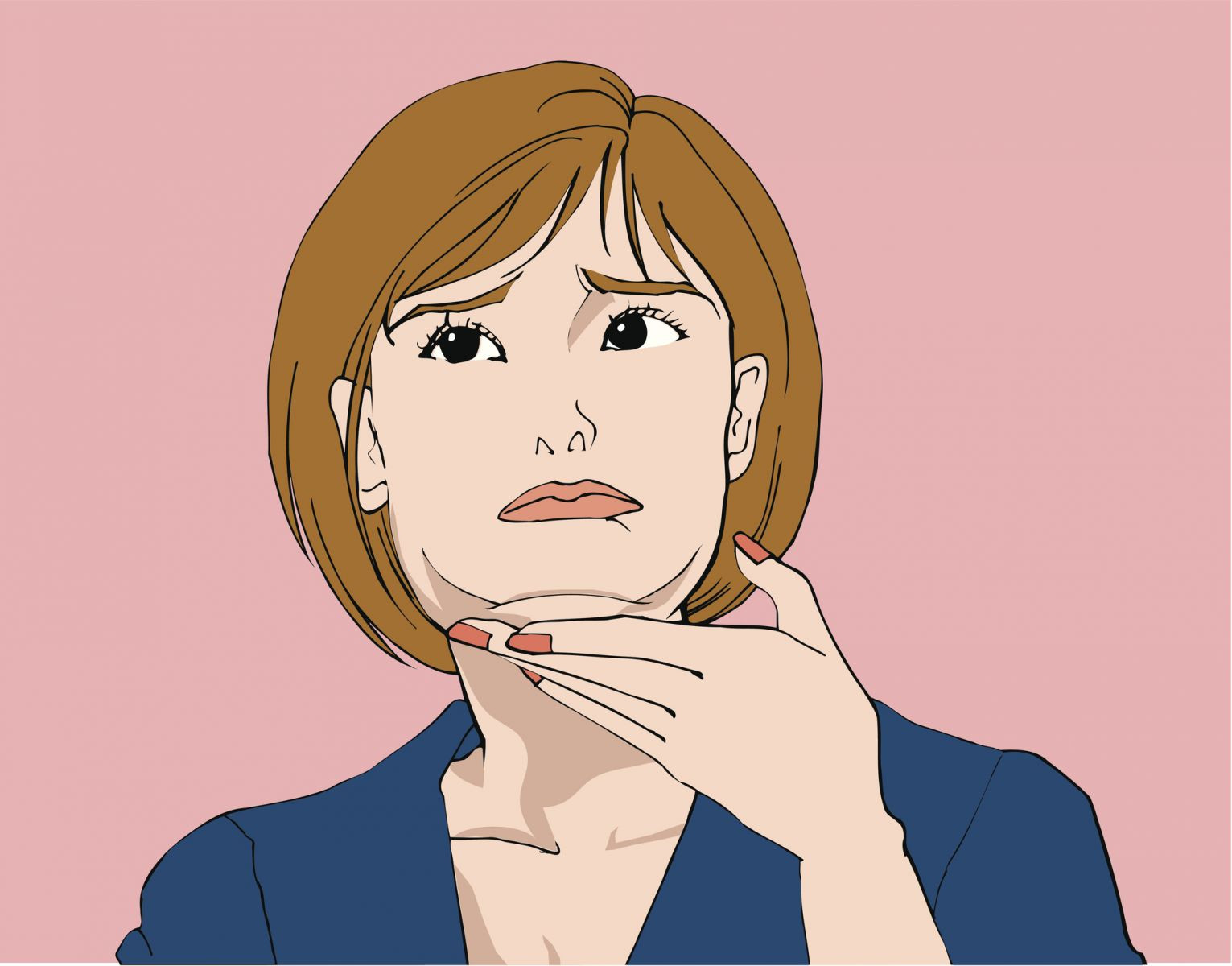
Fat-dissolving treatments for a double chin
Many people are bothered by double chins and try to conceal them behind turtleneck shirts and scarves. However, recent advancements have expanded the options for jowl removal beyond surgery to in-office treatments.
Cryolipolysis (Cool Mini)
This procedure, also known as "cool sculpting," treats a double chin. The clinician places a handpiece under the chin and chills fat cells there almost to the point of freezing, damaging their membranes so they are absorbed and metabolized by the body. The treatment itself takes about an hour, and results are seen over the subsequent two months. The procedure is usually effective and can be performed more than once. It can also be used to reduce love handles on the waist. The cost is approximately $1,000 per treatment.

I'm so lonesome I could cry
The health risks of loneliness and isolation have been known for some time, but more recently research has shown the specific effects in the brain. Finding ways to make connections with other people is the best "medicine" to alleviate the mental and physical effects of loneliness.

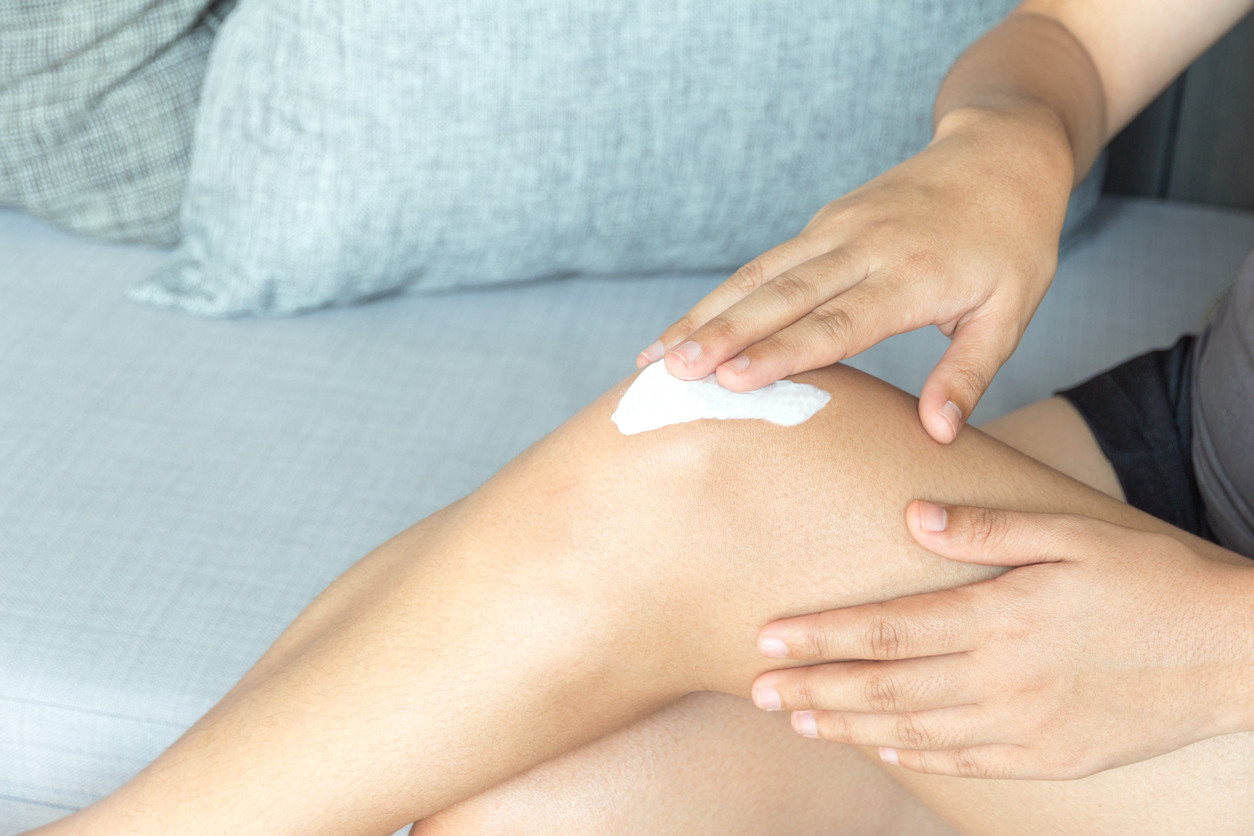


This year’s flu season: Public health catastrophe or par for the course?
This winter flu activity has been higher than usual across the United States. If you have not gotten a flu shot yet, it’s not too late; some protection is better than none, plus there are other steps you can take to protect yourself and those around you.

Is that dry skin really something more serious?
Symptoms of dry skin, eczema, contact dermatitis, and psoriasis can overlap.
Image: © Sasha_Suzi/Thinkstock
It's easy to overlook dry skin during the winter, when indoor heating and dry air pull moisture from the skin. But sometimes it's tough to tell if dry skin is a consequence of the season or a sign of a serious condition. "I see a fair number of people who come in with psoriasis or eczema and had just assumed it was dry skin," says Dr. Jason Frangos, a dermatologist at Harvard-affiliated Brigham and Women's Hospital.
Why does skin dry out?
It's not just winter conditions that lead to dry skin; it's also a change in our skin's top layer, or epidermis. This layer is normally thick with naturally occurring fats and oils that act as a barrier to help retain moisture and prevent irritants from entering the skin.
Hip bursitis vs. arthritis: How to tell the difference
Fitness for longevity: Which type matters most?
Ministrokes linked to elevated risk of dementia
Continuous glucose monitors benefit people who don't need insulin
CoQ10: Should you take this popular supplement if you're on a statin?
Microplastics: A hidden health threat?
Oat vs. dairy milk: Nutrition, benefits, and downsides
What is tempeh? Benefits, nutrition, and how to use it
Healing after food poisoning
Whole grains may improve several heart risk factors at once
Free Healthbeat Signup
Get the latest in health news delivered to your inbox!
Sign Up
