

Hip bursitis vs. arthritis: How to tell the difference

Fitness for longevity: Which type matters most?

Ministrokes linked to elevated risk of dementia

Continuous glucose monitors benefit people who don't need insulin

CoQ10: Should you take this popular supplement if you're on a statin?

Microplastics: A hidden health threat?

Oat vs. dairy milk: Nutrition, benefits, and downsides

What is tempeh? Benefits, nutrition, and how to use it

Healing after food poisoning

Whole grains may improve several heart risk factors at once
Psoriasis Archive
Articles

Ward off winter skin woes
Try these simple strategies to keep dry, cracking skin at bay during the cold weather.
Chapped, dry, cracked, and peeling... winter can be hard on your skin. What with the cold air and the lack of humidity, your skin spends the winter months fighting to retain moisture, not to mention fending off other insults from cold-weather staples like scratchy wool clothes and crackling wood fires.
How can your skin survive the season? We asked Dr. Barbara Gilchrest, senior lecturer on dermatology at Harvard Medical School, to weigh in with her best tips to help you protect your skin from winter dryness.

The flu is here — and so is a new advisory from the CDC
If you have not yet gotten a flu shot, the CDC has issued an advisory for this season that may make you reconsider. The severity of the virus is stronger this year, and while the vaccine may not be as effective as in years past, some protection is better than none.
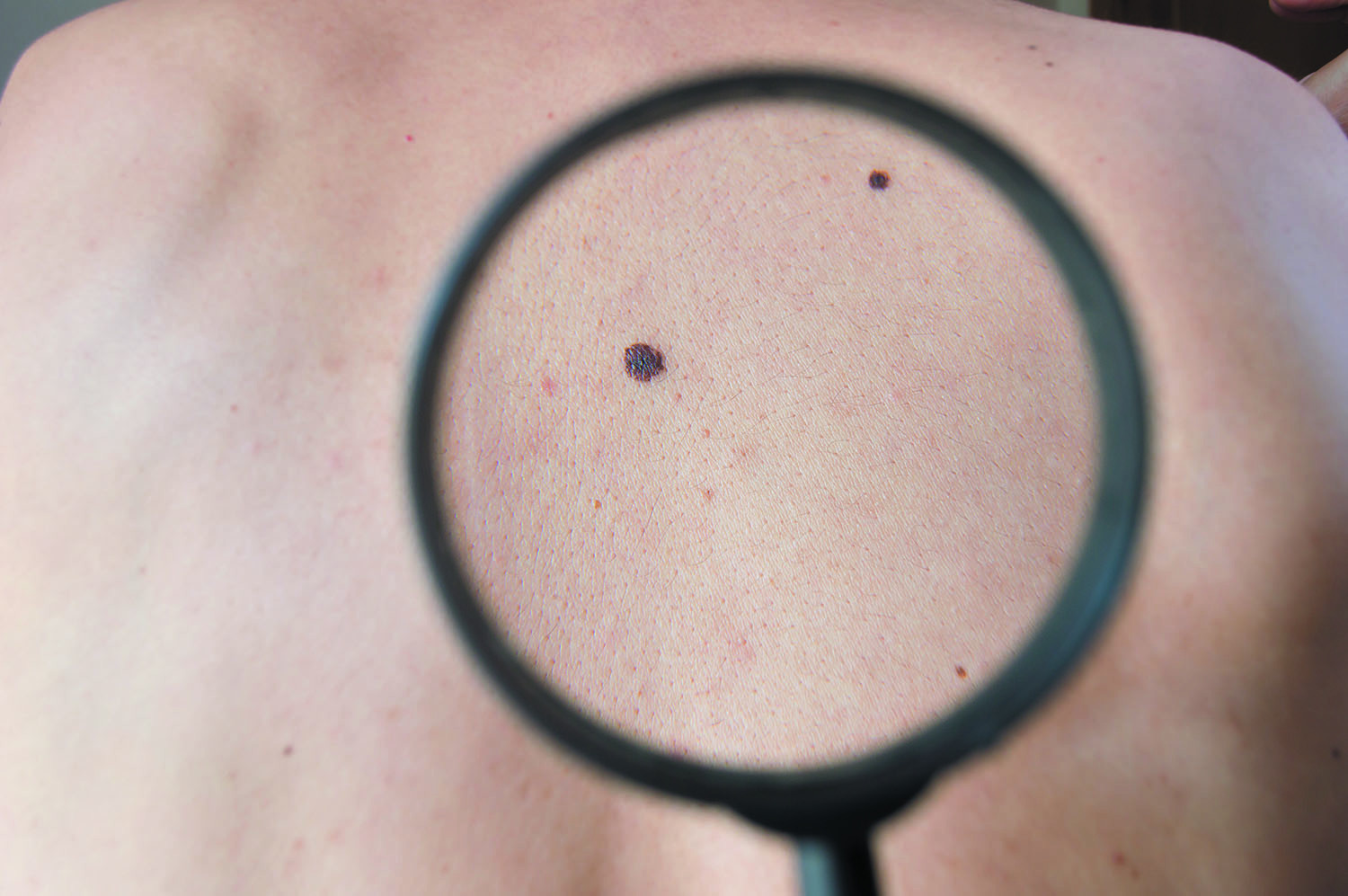
Melanomas don’t always arise from existing moles
In the journals
Image: © Manuel-F-O/Thinkstock
While it's important to have any suspicious mole checked for possible skin cancer, a study published online Aug. 29, 2017, by the Journal of the American Academy of Dermatology suggests most melanomas — the deadliest skin cancer — appear as new spots on the skin. The researchers reviewed 38 studies involving 20,126 cases of melanoma and found that 29% of diagnosed melanomas came from an existing mole, while 71% appeared as new spots. Moreover, they discovered that melanomas that grew from moles were thinner and thus less aggressive than other melanomas. In fact, people whose melanoma was associated with a mole had a better prognosis than others.
The study's authors stressed the importance of looking for any new spots on the skin as well as checking moles for changes, like itching or bleeding, and to see a dermatologist if needed. The American Academy of Dermatology encourages everyone to perform regular skin self-exams, and to ask a partner to check hard-to-see areas like the back. You can learn how to do a skin self-exam, and much more, at www.aad.org/public/spot-skin-cancer.
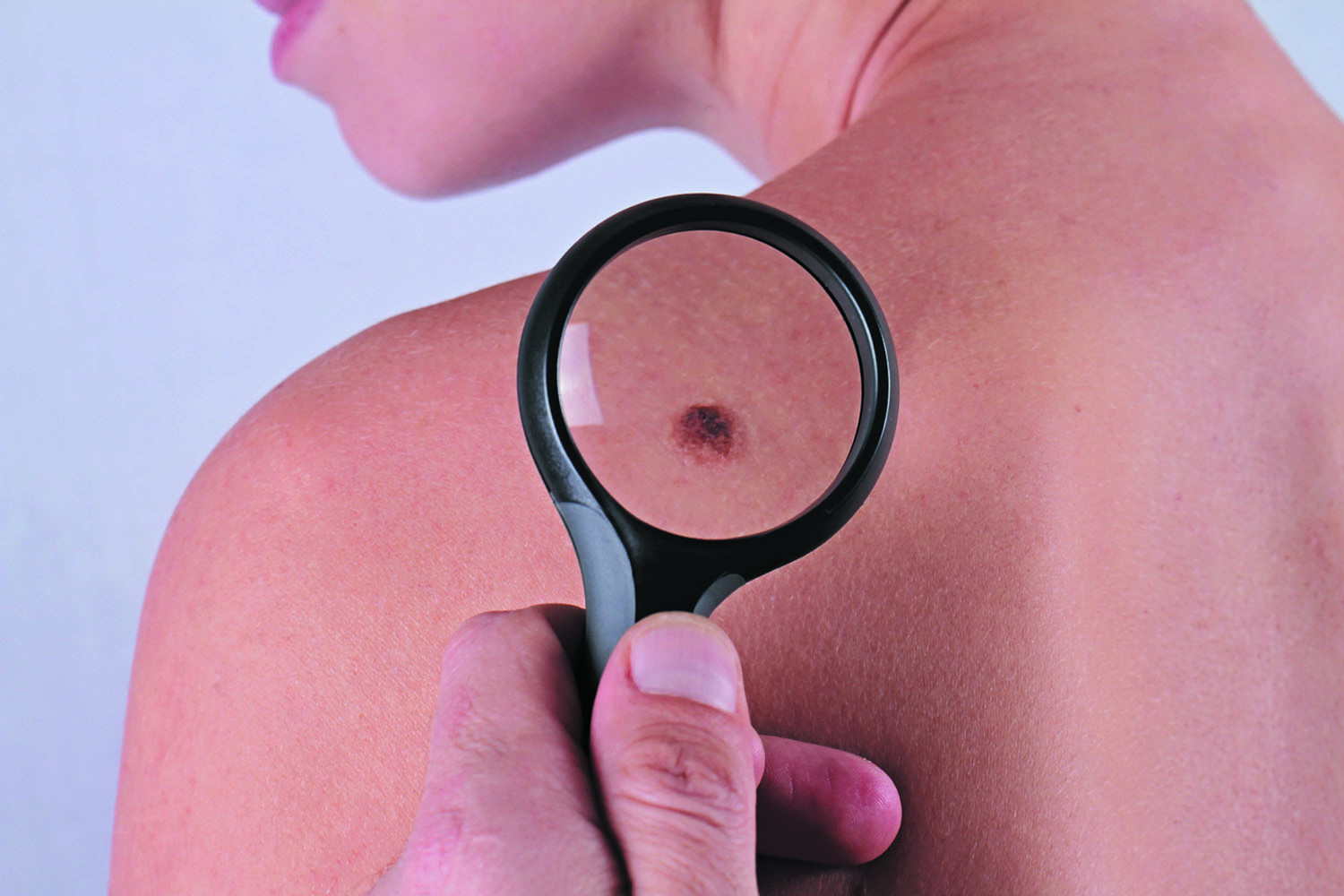
Most melanomas start as new spots
Research we're watching
Image: © ChesiireCat/Thinkstock
To catch skin cancer early, be on the lookout for new spots on your skin. A recent study found that more often than not, melanoma occurs as a new spot on your body — not as changes in an existing mole. The study, published online August 29 by the Journal of the American Academy of Dermatology, found that only 29% of melanomas came from an existing mole on the body that changed. In 71% of cases, melanoma occurred in a new lesion that popped up in a new place on the skin. In addition, the study authors noted that melanomas that do occur in existing moles tend to be thinner than melanomas in new lesions.
In addition to looking for new and unusual spots on your skin, remember your ABCDs to spot the signs of melanoma:

What’s new with the flu shot?
If you are planning to get a flu shot but have not yet done so, it may be worth waiting a little longer, as data on patients from four recent flu seasons found that protection against the virus declined over the course of the winter.



Melanoma isn’t the only skin cancer
Research we're watching
You probably know to have your skin checked frequently for the signs of melanoma. But you should also be looking out for another, more common type of skin cancer — squamous cell carcinoma. This potentially lethal skin cancer can show up on your skin as a white or pink bump, a non-healing sore, or even a scaly patch. According to the American Academy of Dermatology, cases of squamous cell carcinoma are on the rise, with some 700,000 new diagnoses each year.
"While other skin cancers may be more lethal, they're less common," writes Dr. M. Laurin Council, an assistant professor of dermatology at Washington University in St. Louis. "Squamous cell carcinoma is highly treatable when detected early, so it's important for people to know the signs of this disease and keep a close eye on their skin."


How much vitamin D should I take?
Ask the doctor
Image: © Boarding1Now/Thinkstock
Q. I'm confused about vitamin D. How much should I take?
A. There's considerable controversy as to whether most people should take a vitamin D supplement at all. Most of the vitamin D in our bodies is made by our skin, when it is exposed to sunlight. In contrast to most other vitamins, we don't get much vitamin D in our diet. Authorities recommend, however, that children from age 1, and adults through age 70, take 600 international units (IU) daily, and that adults 71 years and older take 800 IU daily. People with, or at risk for, certain bone diseases need to take more than this amount. There's general agreement that doses above 4,000 IU daily can be toxic to adults, with lower doses toxic to kids.
Hip bursitis vs. arthritis: How to tell the difference
Fitness for longevity: Which type matters most?
Ministrokes linked to elevated risk of dementia
Continuous glucose monitors benefit people who don't need insulin
CoQ10: Should you take this popular supplement if you're on a statin?
Microplastics: A hidden health threat?
Oat vs. dairy milk: Nutrition, benefits, and downsides
What is tempeh? Benefits, nutrition, and how to use it
Healing after food poisoning
Whole grains may improve several heart risk factors at once
Free Healthbeat Signup
Get the latest in health news delivered to your inbox!
Sign Up
