

Hip bursitis vs. arthritis: How to tell the difference

Fitness for longevity: Which type matters most?

Ministrokes linked to elevated risk of dementia

Continuous glucose monitors benefit people who don't need insulin

CoQ10: Should you take this popular supplement if you're on a statin?

Microplastics: A hidden health threat?

Oat vs. dairy milk: Nutrition, benefits, and downsides

What is tempeh? Benefits, nutrition, and how to use it

Healing after food poisoning

Whole grains may improve several heart risk factors at once
Psoriasis Archive
Articles

When You Visit Your Doctor - Shingles
Shingles
Questions to Discuss with Your Doctor:
- Do you have a history of chicken pox?
- Does your skin hurt, itch, or feel numb?
- Is the pain sharp, dull, or piercing? How long have you had it?
- Do you have a rash? If so, for how long?
- Is the rash in more than one place on your skin?
- Is the rash on one side of your body only?
- Has the rash at any time looked like small blisters?
- Do you still have pain even if the rash is gone?
- What triggers the pain (for example, a light touch)?
- Do your symptoms interfere with your ability to sleep or perform activities of daily living?
- Are you taking any medications?
Your Doctor Might Examine the Following Body Structures or Functions:
- Skin exam almost always confirms the diagnosis
Your Doctor Might Order the Following Lab Tests or Studies:
- Skin scraping to examine under the microscope, or for viral culture, immunofluorescence, or polymerase chain reaction testing (rarely needed)
Benefits of moderate sun exposure
Dr. Robert S. Stern, chair of the Department of Dermatology at Harvard-affiliated Beth Israel Deaconess Medical Center , calls them "solar-phobes": people so concerned about getting skin cancer that they stay inside or cover every bit of skin. "They cover up like they were going out into the Arabian Desert ," he says. The marketing of ultrablocking sunscreens and special sun-protective clothing plays into these fears.
There's no getting around the fact that sunlight is hard on your skin. Age gets blamed for wrinkles and rough, dry skin. But the real culprit is a combination of age and sun that dermatologists call photoaging. The short UVB wavelengths that cause sunburn can also damage DNA and suppress the skin's immune system. The longer, more penetrating UVA wavelengths may create highly reactive oxygen molecules capable of damaging skin cell membranes and the DNA inside.
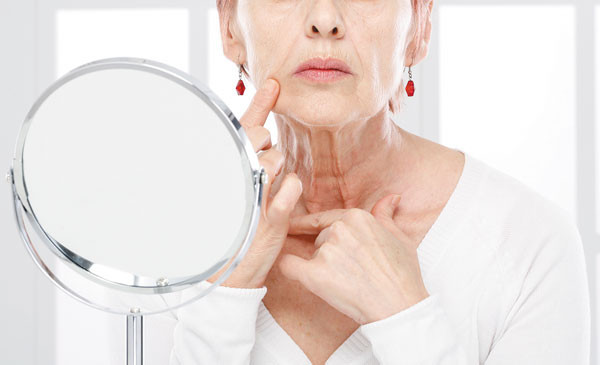
Want to take years off your face? These treatments can rejuvenate your skin
An increasing array of nonsurgical products and procedures aim to reduce the effects of time and sun exposure.
Image: studiokovac/Thinkstock
It's often said that our lives are written on our faces. But if you feel like doing a little editing—erasing a few fine lines, softening a deep furrow, or evening out some patchy spots—there's an increasing array of products and procedures to help rejuvenate skin worn by time and sun exposure. "When it comes to skin treatments, there's lots of good news in therapies for medical conditions as well as cosmetic concerns," says Dr. Kenneth Arndt, adjunct professor of dermatology at Harvard Medical School and medical editor of the Harvard Special Health Report Skin Care and Repair.
A growing population of healthy, active older women who want to look as young as they feel has spurred the development of skin rejuvenation techniques that are more subtle and have much shorter recovery times than facelifts. "It's important to choose your treatments with care and to check and double-check the reputation and accreditation of clinicians performing invasive skin procedures," Dr. Arndt says. You may want to consult a dermatologist to weigh the possible risks and likely benefits of various treatments. Cosmetic procedures aren't covered by insurance, so cost might also be an important factor in choosing a skin rejuvenation procedure.


Dry skin? Moisturizers can help
Many products are designed to absorb water into the skin, keep it from evaporating, or both.
Image: Bigstock
If you grew up watching Doris Day movies, you may have assumed she was privy to skin treatments that weren't available to the general public. However, as she revealed in her autobiography, Vaseline (petrolatum) was the key to keeping her skin soft and smooth.
Things have changed quite a bit in the last 50 years. Petrolatum is still a popular staple, but there is now a dizzying array of newer moisturizers, many with a baffling list of ingredients on their labels. However, they all are designed to either add moisture to the skin or keep it there. Many do both. "Think of moisturizers as putting a barrier between your skin and the cold, dry air," says Dr. Kenneth Arndt, professor of dermatology at Harvard Medical School and faculty editor for the Harvard Health Publications Special Health Report Skin Care and Repair (www.health.harvard.edu/SCR.)


The 2 reasons your child needs to get a flu shot this season
It’s especially important for children to get flu shots, both because the flu can hit the young with particular severity, and because of the potential to pass the illness to others.

Hip bursitis vs. arthritis: How to tell the difference
Fitness for longevity: Which type matters most?
Ministrokes linked to elevated risk of dementia
Continuous glucose monitors benefit people who don't need insulin
CoQ10: Should you take this popular supplement if you're on a statin?
Microplastics: A hidden health threat?
Oat vs. dairy milk: Nutrition, benefits, and downsides
What is tempeh? Benefits, nutrition, and how to use it
Healing after food poisoning
Whole grains may improve several heart risk factors at once
Free Healthbeat Signup
Get the latest in health news delivered to your inbox!
Sign Up
