

Hip bursitis vs. arthritis: How to tell the difference

Fitness for longevity: Which type matters most?

Ministrokes linked to elevated risk of dementia

Continuous glucose monitors benefit people who don't need insulin

CoQ10: Should you take this popular supplement if you're on a statin?

Microplastics: A hidden health threat?

Oat vs. dairy milk: Nutrition, benefits, and downsides

What is tempeh? Benefits, nutrition, and how to use it

Healing after food poisoning

Whole grains may improve several heart risk factors at once
Psoriasis Archive
Articles

Why suntanning is still a bad idea
Sun protection is essential whenever you are outdoors. Self-tanning products offer a safe alternative for attaining that sun-kissed look.
Image: Nadezhda1906/Thinkstock
Gone are the days when we were urged to soak up the rays to get a healthy glow and absorb the "sunshine vitamin." Decades of medical research have determined that sun exposure causes skin cancer and that a nutritious diet and supplementation are reliable ways to obtain the vitamin D essential for good health. In other words, there is no good reason to expose your skin to the sun's ultraviolet (UV) radiation.
There is no such thing as a healthy suntan. "A tan is a response to DNA damage," says Dr. Barbara Gilchrest, a dermatologist at Harvard-affiliated Massachusetts General Hospital. Such damage is instrumental in the development of skin cancer, and it also accelerates skin aging. "Some women may tan well for many years, but eventually the skin quality will change, become leathery, develop lentigenes ["age spots"], and then coarse wrinkling," Dr. Gilchrest says. If you're a lifelong tanner, compare the skin on the underside of your upper arm or buttocks to a tanned area, and you'll see evidence of the changes wrought by UV radiation.

Sunscreen confusion
Men may not be doing all they need to protect themselves from sun damage and skin cancer.
Image: JupiterImages/Thinkstock
Proper protection against skin cancer continues to be relevant once a man hits age 65. "Unfortunately, ultraviolet [UV] exposure and damage is cumulative over our lifetimes," says Dr. Joseph Merola, a dermatologist with Harvard-affiliated Brigham and Women's Hospital. "There is no safe age at which we can put down the sunscreen or stop thinking about sun protection."
Even if men are aware of the dangers of sun exposure, new research shows most do not follow basic guidelines. A study published June 17, 2015, in JAMA Dermatology found that only 14.3% of men surveyed reported they regularly use sunscreen. The study also found that men were more likely than women to never use sunscreen—43.8% of men compared with 27% of women—and perhaps most telling, only 7% knew what to look for on a sunscreen label.

The inconvenient truth of vaccine refusal
The development of vaccines for many once-fatal illnesses has saved the lives of hundreds of thousands of children in the United States. While some parents may have concerns about the side effects of a vaccine, the decision not to vaccinate a child extends the risk of illness to the larger community.

The best ways to treat spider veins
Ask the doctor
Q: I have developed numerous small, thin veins over my legs. I would like to get rid of them. What is the most effective treatment?
A: Dilated superficial veins, known as reticular or "spider" veins, are a common problem as men get older. The preferred treatment is sclerotherapy, but laser therapy is gaining popularity. Sclerotherapy involves injecting fluid into the veins with a small needle. This liquid causes irritation and inflammation of the vein, leading to its collapse. Laser therapy uses intense pulsed light to cause heat-related damage to the veins. Both treatments involve some discomfort. Wearing compression stockings afterwards appears to help improve outcome.

Zika, pregnancy, and winter travel: Many unknowns, and a cautious message
If you’re planning an escape from the dreary winter weather, and you’re pregnant or trying to get pregnant, you may want to plan your destination carefully. There’s still a lot we don’t know about Zika virus — which is now widespread in several favorite tropical destinations, such as the Caribbean — and its potential pregnancy-related complications. Until we know more, it’s better to be safe and follow the precautions we’ve listed here.
Don’t shrug off shingles
Shingles, an itchy and painful rash that occurs when the chickenpox virus reactivates in your body, shouldn’t be written off as just a nuisance. If it’s not treated promptly with an antiviral drug, it can cause a host of serious long-term complications. Fortunately, there’s a vaccine that can slash your risk of shingles by half, and another, even more effective one in the pipeline.

What the rise of Zika (and other viruses) might tell us about our planet
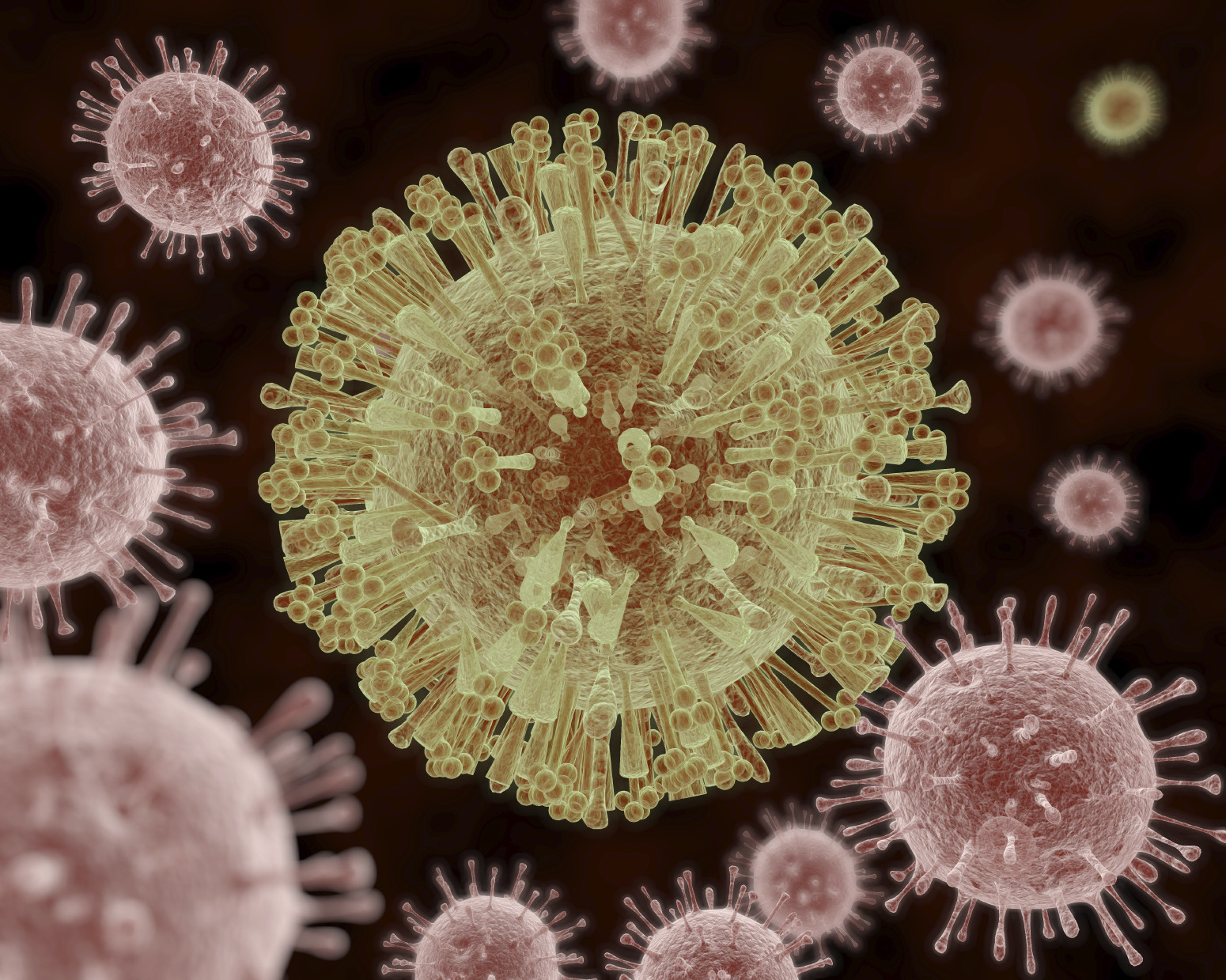
Zika, a virus that was almost unknown just a short time ago, is now certain to spread to almost every country in the Americas. But why have the U.S. and other countries become more vulnerable to the threat of exotic pathogens? There currently aren’t enough data to make any solid connections, but many experts agree that the rise of global trade and travel, climate change, and ecosystem changes are all major factors.
What you need to know about Zika virus
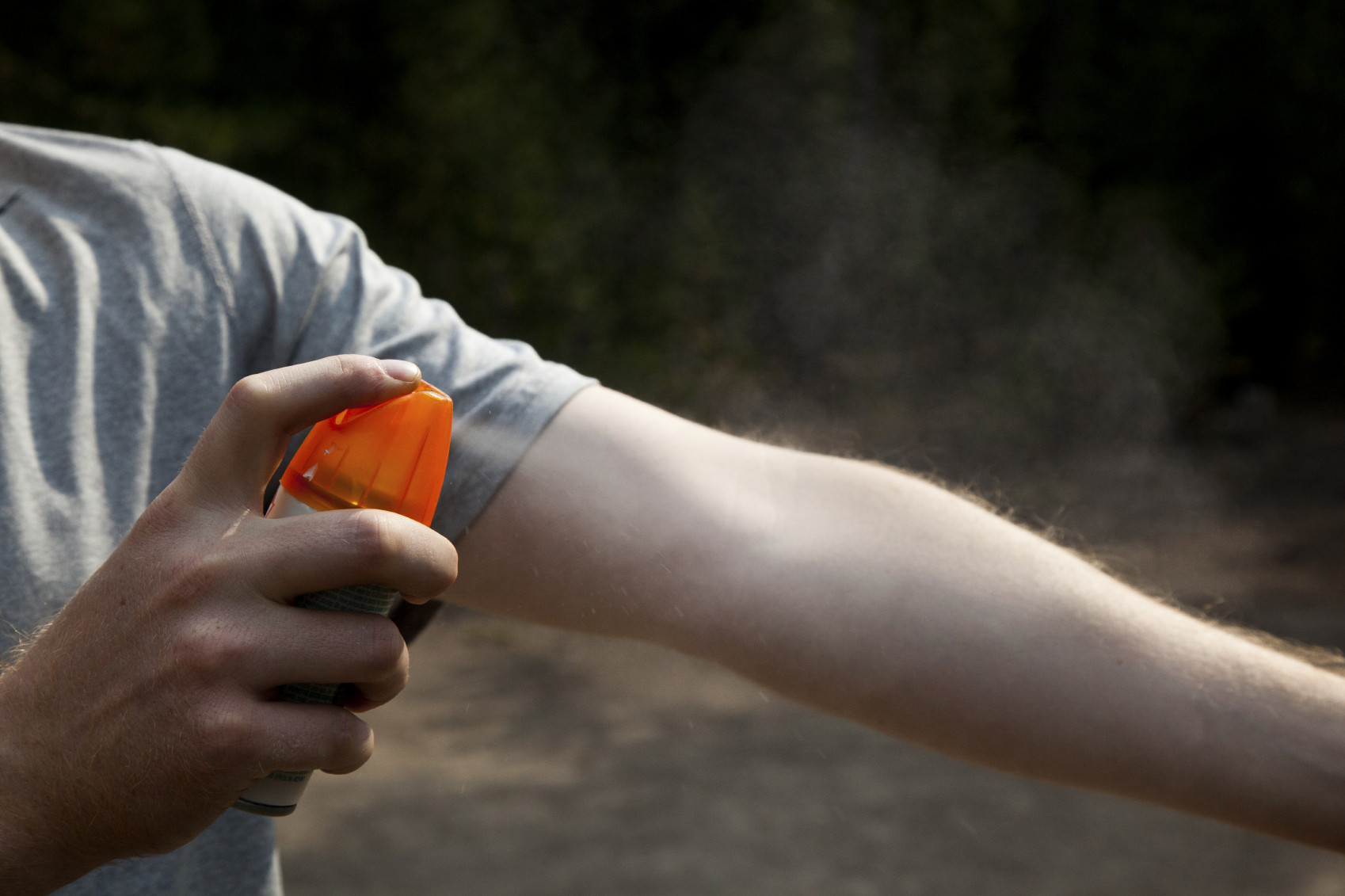
Zika, a formerly rare and obscure virus, has recently spread throughout the Pacific islands and the Americas. Although Zika virus rarely makes people seriously ill, it’s been implicated in a huge rise in the number of birth defects in babies born to mothers who’ve had Zika. Although its impact in the U.S. is expected to be much less severe than in warmer climates, we’ve listed some tips to reduce your exposure to the type of mosquito that carries Zika.
Should I take vitamin D?
Ask the doctor
Q . I am 68 and in excellent health. I eat a healthy diet, exercise every day, and do not drink or smoke. I'm on no medicines. The only pill I take is vitamin D. But I'm wondering: is there any benefit in that?
A. In a nutshell, here's what we know. Our skin makes most of the vitamin D in our bodies after exposure to sunlight. Because most of us are indoors most of the 24 hour day, many of us have relatively low blood levels of vitamin D.
Hip bursitis vs. arthritis: How to tell the difference
Fitness for longevity: Which type matters most?
Ministrokes linked to elevated risk of dementia
Continuous glucose monitors benefit people who don't need insulin
CoQ10: Should you take this popular supplement if you're on a statin?
Microplastics: A hidden health threat?
Oat vs. dairy milk: Nutrition, benefits, and downsides
What is tempeh? Benefits, nutrition, and how to use it
Healing after food poisoning
Whole grains may improve several heart risk factors at once
Free Healthbeat Signup
Get the latest in health news delivered to your inbox!
Sign Up
