

Hip bursitis vs. arthritis: How to tell the difference

Fitness for longevity: Which type matters most?

Ministrokes linked to elevated risk of dementia

Continuous glucose monitors benefit people who don't need insulin

CoQ10: Should you take this popular supplement if you're on a statin?

Microplastics: A hidden health threat?

Oat vs. dairy milk: Nutrition, benefits, and downsides

What is tempeh? Benefits, nutrition, and how to use it

Healing after food poisoning

Whole grains may improve several heart risk factors at once
Skin Cancer Archive
Articles

Moisturizers: Do they work?
There are lots of dubious claims and mysterious ingredients, but yes, by trapping water, moisturizing can help with dry skin.
Dry skin by itself isn't a medical worry, although serious cases can result in cracks and fissures that invite infection and inflammation. The real issue is discomfort — dry skin can be sore, tender to the touch, and often itchy (although not all itchy skin is dry). There's also the red, rough, scaly appearance lamented in many advertisements for moisturizers.
This is one problem that hasn't suffered from lack of attention: there are dozens of creams and lotions for dry skin. They are sold as moisturizers, which is more of a marketing term than a medical or scientific one. Indeed, routine skin care is a realm where there's little science to be found. Well-controlled studies of ingredients are few and far between. Companies keep information about ingredients proprietary and are careful to limit claims for what the products do to stay within FDA rules.

Eating more ultra-processed foods may shorten life span
In the journals
Need another reason to monitor your intake of ultra-processed foods? Cutting down on your amounts could help you live longer.
In an observational study published online Feb. 11, 2019, by JAMA Internal Medicine, almost 45,000 adults ages 45 and older completed several dietary assessments over a two-year period. On average, ultra-processed foods made up about 15% of their daily diet as measured in grams.

Does endometriosis increase cancer risk?
Ask the doctors
Q. I have endometriosis, and I recently heard that it might increase my risk of certain cancers. Is this true?
A. Researchers have linked endometriosis, an often painful condition that causes endometrial-like tissue to grow outside the uterus, to a higher risk of two types of ovarian cancer — endometrioid and clear-cell subtypes. That said, even though your risk of these cancers may be higher than that of the average woman who doesn't have endometriosis, your chances of developing one of these cancers is still very small — less than 1%.
Questions & Answers: Does Accutane cause depression?
ARCHIVED CONTENT: As a service to our readers, Harvard Health Publishing provides access to our library of archived content. Please note the date each article was posted or last reviewed. No content on this site, regardless of date, should ever be used as a substitute for direct medical advice from your doctor or other qualified clinician.
Q. Does the acne drug, isotretinoin (Accutane), cause depression and suicide, or are psychiatric risks from the Accutane side effects exaggerated?

Zinc oxide shows no link to skin damage
In the journals
Zinc oxide (ZO) is one of the most effective ingredients in sunscreen, but previous studies have suggested it could potentially damage skin cells. Now, a small study in the February 2019 Journal of Investigative Dermatology has found that ZO nanoparticles don't penetrate the skin or damage skin on a cellular level even with repeated applications.
ZO is one of 17 active sunscreen ingredients approved by the FDA. ZO offers broad-spectrum protection and shields against both UVB rays, which cause sunburn, and UVA rays, which penetrate more deeply and are more likely to damage cell DNA and increase the risk of skin cancer.
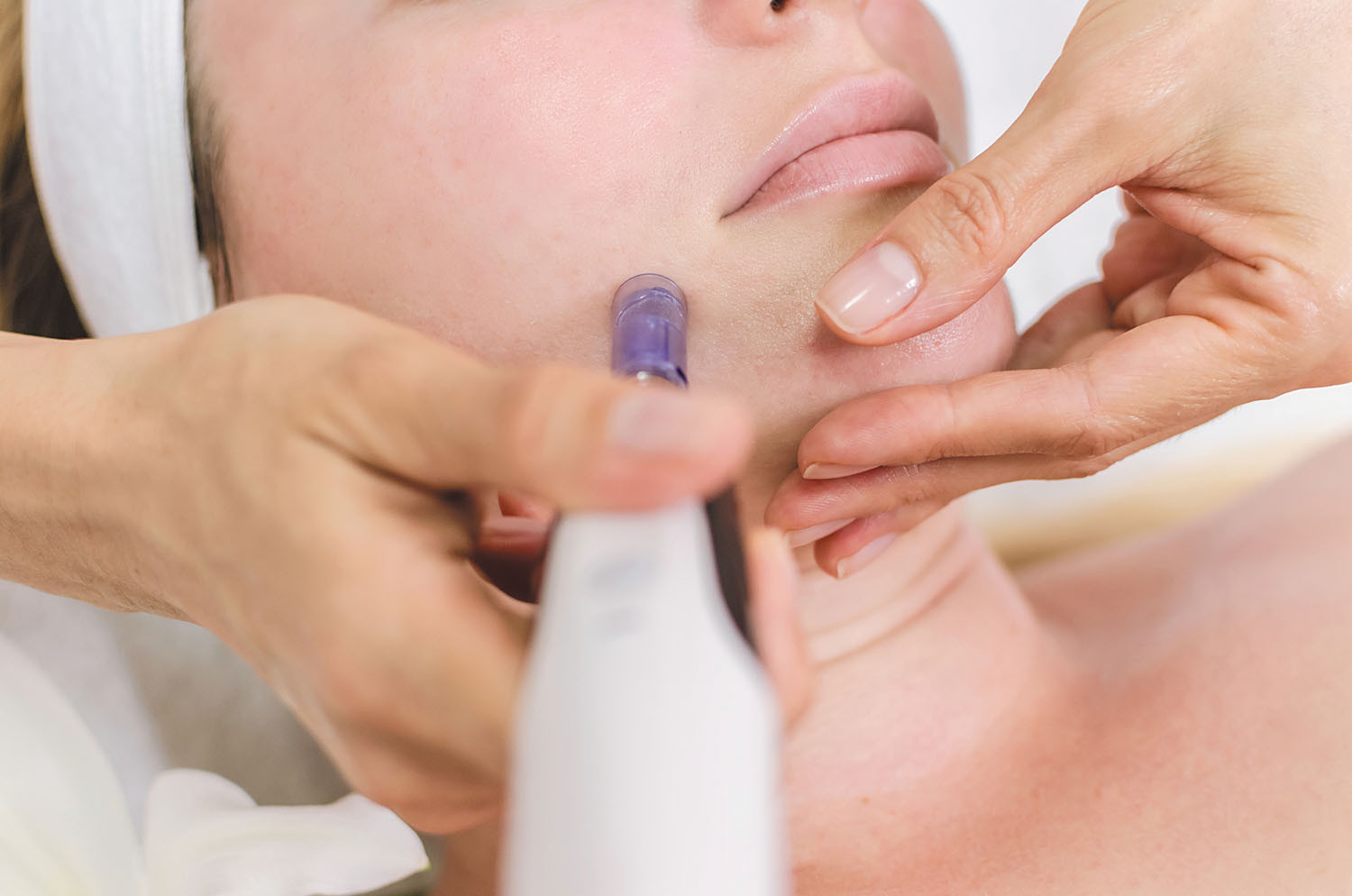
Needling your way to healthier skin
Microneedling was once viewed with skepticism, but it can be an effective procedure to improve the skin.
If the idea of poking yourself in the face with tiny needles in hopes of improving your skin sounds a little bizarre to you, you're not alone. For years, the medical establishment looked at the practice, known as microneedling, with a leery side-eye.
"I didn't take it seriously until relatively recently," says Dr. Kenneth Arndt, medical editor of the Harvard Special Health Report Skin Care and Repair and a founding editorial board member of the Harvard Health Letter.


Hip bursitis vs. arthritis: How to tell the difference
Fitness for longevity: Which type matters most?
Ministrokes linked to elevated risk of dementia
Continuous glucose monitors benefit people who don't need insulin
CoQ10: Should you take this popular supplement if you're on a statin?
Microplastics: A hidden health threat?
Oat vs. dairy milk: Nutrition, benefits, and downsides
What is tempeh? Benefits, nutrition, and how to use it
Healing after food poisoning
Whole grains may improve several heart risk factors at once
Free Healthbeat Signup
Get the latest in health news delivered to your inbox!
Sign Up
