

Hip bursitis vs. arthritis: How to tell the difference

Fitness for longevity: Which type matters most?

Ministrokes linked to elevated risk of dementia

Continuous glucose monitors benefit people who don't need insulin

CoQ10: Should you take this popular supplement if you're on a statin?

Microplastics: A hidden health threat?

Oat vs. dairy milk: Nutrition, benefits, and downsides

What is tempeh? Benefits, nutrition, and how to use it

Healing after food poisoning

Whole grains may improve several heart risk factors at once
Skin Cancer Archive
Articles

How do I deal with dry, itchy winter skin?
On call
Q. My skin gets dry and itchy in winter, and there are so many moisturizers available. What should I look for?
A. Dry skin develops when your skin doesn't retain sufficient moisture. This is often a problem in winter when the air both indoors and outdoors has low humidity, as the water content of our skin tends to reflect the level of humidity around it. Fortunately, using a good moisturizer is a simple way to relieve winter dry skin.

My doctor says I have a skin condition called hidradenitis suppurativa. How is that normally treated?
Ask the doctors
Q. I was recently diagnosed with hidradenitis suppurativa. What could have caused this condition, and can it be cured? What are the usual treatments?
A. Hidradenitis suppurativa is an uncommon skin condition that starts out as pimple-like lesions on the skin. If left untreated, it can grow deeper into the tissue and over time can lead to painful fluid-filled lumps or thick scars. The condition is most common on parts of the body where skin presses up against skin, such as the groin, the underarms, the thighs, or the buttocks. Hidradenitis suppurativa most often affects younger people, particularly women, and most often happens after puberty. It's less common in people over age 55. Other risk factors include smoking and being overweight or obese, and it seems to run in families. Experts aren't really sure what causes hidradenitis suppurativa, but hormones and the immune system may play a role. Some experts believe that an ordinary blockage in the skin triggers an overzealous immune system reaction, which leads to symptoms. The good news is that you can't spread the condition to other people, and it is treatable. Catching the problem early can minimize problems. There are numerous treatment options for hidradenitis suppurativa, including antibiotics, hormonal medications and skin treatments, such as acne washes or special bleach baths. In more severe cases, your doctor might also recommend biologic therapy to dampen the immune response or surgery to remove or drain the affected skin. Even after treatment, the condition may require ongoing monitoring to treat or prevent recurrences.


Specialized diet gets high marks for preventing cancer
In the journals
Following a specific cancer prevention diet may help you lower your overall risk, according to a study in the August 2018 Cancer Research.
The diet from the World Cancer Research Fund/American Institute for Cancer Research (WCRF/AICR) emphasizes a plant-based diet rich in whole grains, vegetables, fruits, and legumes like beans and lentils, with limited amounts of red or processed meat (no more than 18 ounces per week) and a strong emphasis on eliminating all processed foods, sugar-sweetened drinks, and alcohol.

Warning: Avoid these novel treats in shopping malls and restaurants
News briefs
Image: © manustart/Getty Images
If your grandkids urge you to indulge them in a popular new snack at the mall, just say no. The FDA is warning that consuming products with liquid nitrogen added at the last minute can lead to injury. The products are marketed under names such as "Dragon's Breath" and "Nitro Puff." They're cheese puffs or cereal pieces that are frozen in liquid nitrogen and then dipped in a special sauce. When you put them in your mouth, the products release vapor that looks like smoke. Liquid nitrogen is also added to some cocktails to make them look like they're emitting fog. But the FDA says all of these products can cause severe damage to skin and internal organs and may cause breathing problems. The agency advises you to avoid the products.
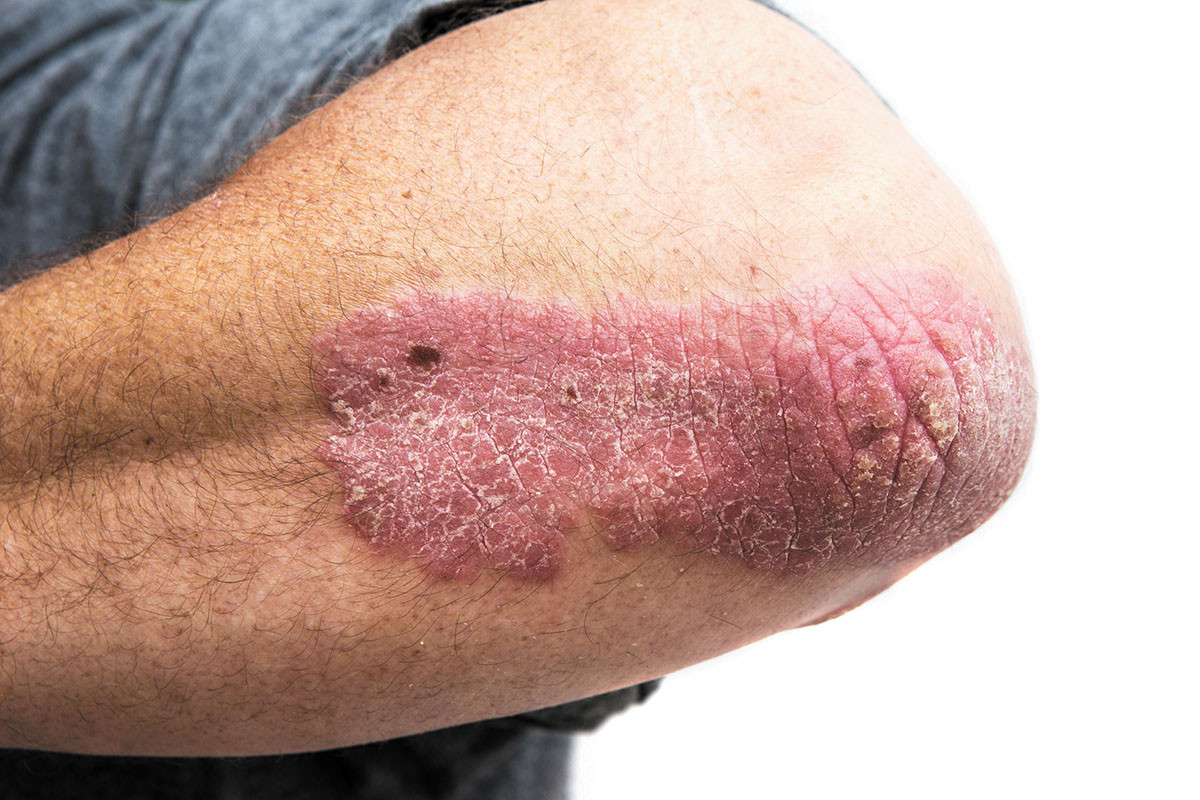
A deeper look at psoriasis
There are ways to shorten flare-ups and, in some people, prevent them from recurring.
Image: © JodiJacobson/Getty Images
Psoriasis is a big star on TV drug ads, but this autoimmune skin disease is something most people try to keep well hidden.
"Psoriasis is among the most common skin conditions, affecting about 2% of the U.S. population, and while the condition doesn't affect everyone the same way, the approach to treatment and prevention is often similar," says Dr. Gideon Smith, an assistant professor of dermatology at Harvard-affiliated Massachusetts General Hospital.

Can a gluten-free diet help my skin?
Ask the doctors
Image: © fcafotodigital/Getty Images
Q. I have terrible skin, and a friend recently recommended that I eliminate gluten from my diet to help manage my condition. Will this work?
A. Not necessarily. Gluten has gotten a lot of attention in recent years. Some people believe that eating gluten can inflame the skin and, therefore, cutting it out will help relieve red, inflamed skin or other skin conditions, such as psoriasis or eczema.

Don't fall for these skin myths
Think you know a lot about skin and skin care? You might be surprised at how much "common knowledge" about keeping your skin clear and healthy is simply not true.
Here, we debunk 10 common myths about skin.
1. The right skin cream can keep your skin looking young.


HPV test may be better than traditional cervical cancer screening method
Research we're watching
A test that screens for human papillomavirus (HPV) beat a commonly used cervical cancer screening method in detecting changes that may lead to cervical cancer, according to a study published July 3 in The Journal of the American Medical Association. Some 19,000 women were screened for cervical cancer using either the HPV test or a more traditional and commonly used liquid-based cytology test. After 48 months, all the women were tested again using both tests. Researchers found that among women who'd had a normal initial screening, those who'd been screened with the HPV test had significantly fewer grade 3 or worse precancerous cervical changes at the final testing compared with those screened with liquid-based cytology.
In response, the U.S Preventive Services Task Force now recommends either HPV testing only once every five years or liquid-based cytology once every three years for women ages 30 to 65.
Hip bursitis vs. arthritis: How to tell the difference
Fitness for longevity: Which type matters most?
Ministrokes linked to elevated risk of dementia
Continuous glucose monitors benefit people who don't need insulin
CoQ10: Should you take this popular supplement if you're on a statin?
Microplastics: A hidden health threat?
Oat vs. dairy milk: Nutrition, benefits, and downsides
What is tempeh? Benefits, nutrition, and how to use it
Healing after food poisoning
Whole grains may improve several heart risk factors at once
Free Healthbeat Signup
Get the latest in health news delivered to your inbox!
Sign Up
