

Hip bursitis vs. arthritis: How to tell the difference

Fitness for longevity: Which type matters most?

Ministrokes linked to elevated risk of dementia

Continuous glucose monitors benefit people who don't need insulin

CoQ10: Should you take this popular supplement if you're on a statin?

Microplastics: A hidden health threat?

Oat vs. dairy milk: Nutrition, benefits, and downsides

What is tempeh? Benefits, nutrition, and how to use it

Healing after food poisoning

Whole grains may improve several heart risk factors at once
Skin Cancer Archive
Articles

Exercise may inhibit breast cancer growth
A 2025 study suggests that even a single session of resistance training or high-intensity interval training increases levels of certain proteins that can inhibit breast cancer cell growth, potentially contributing to a lower risk of recurrence.

Red light therapy for skin care
Red light therapy involves using devices that emit red or near-infrared light aimed at the skin. It is believed to reduce inflammation and boost production of collagen. Research suggests it can improve an array of skin problems, including fine lines, dark spots, redness, slow-healing wounds, scars, and acne. Unlike ultraviolet light, red light therapy isn't associated with greater risks for skin cancer. Scientists are still determining the optimal doses of red light therapy for various skin conditions.

What raises your risk for gynecologic cancer?
Gynecologic cancers, which affect the ovaries, uterus, cervix, vagina, or vulva, are less common than breast cancer. Women can guard against these cancers by learning the risk factors for each type, which include obesity, exposure to human papillomavirus, and smoking. Women should also continue pelvic exams and cervical cancer screenings after a hysterectomy or menopause, as well as watch for unusual symptoms. Women with a strong family history of gynecologic or certain other cancers should consider genetic testing.

Lessons from women on longevity
Women live longer than men. However, that longevity gap in the United States has increased to 5.8 years, the largest gap since 1996, according to a 2024 study. Why the widening gap? Researchers believe that in many cases, women are better than men at addressing certain health needs that contribute to longer lives, such as losing excess weight, quitting smoking, getting regular skin check-ups, and not ignoring mental health issues.

DASH diet tied to lower colorectal cancer risk
A 2025 research review found that adhering to the DASH diet-which emphasizes eating fruits, vegetables, lean protein, whole grains, nuts, and low-fat dairy products-is linked to a lower risk of developing colorectal cancer.
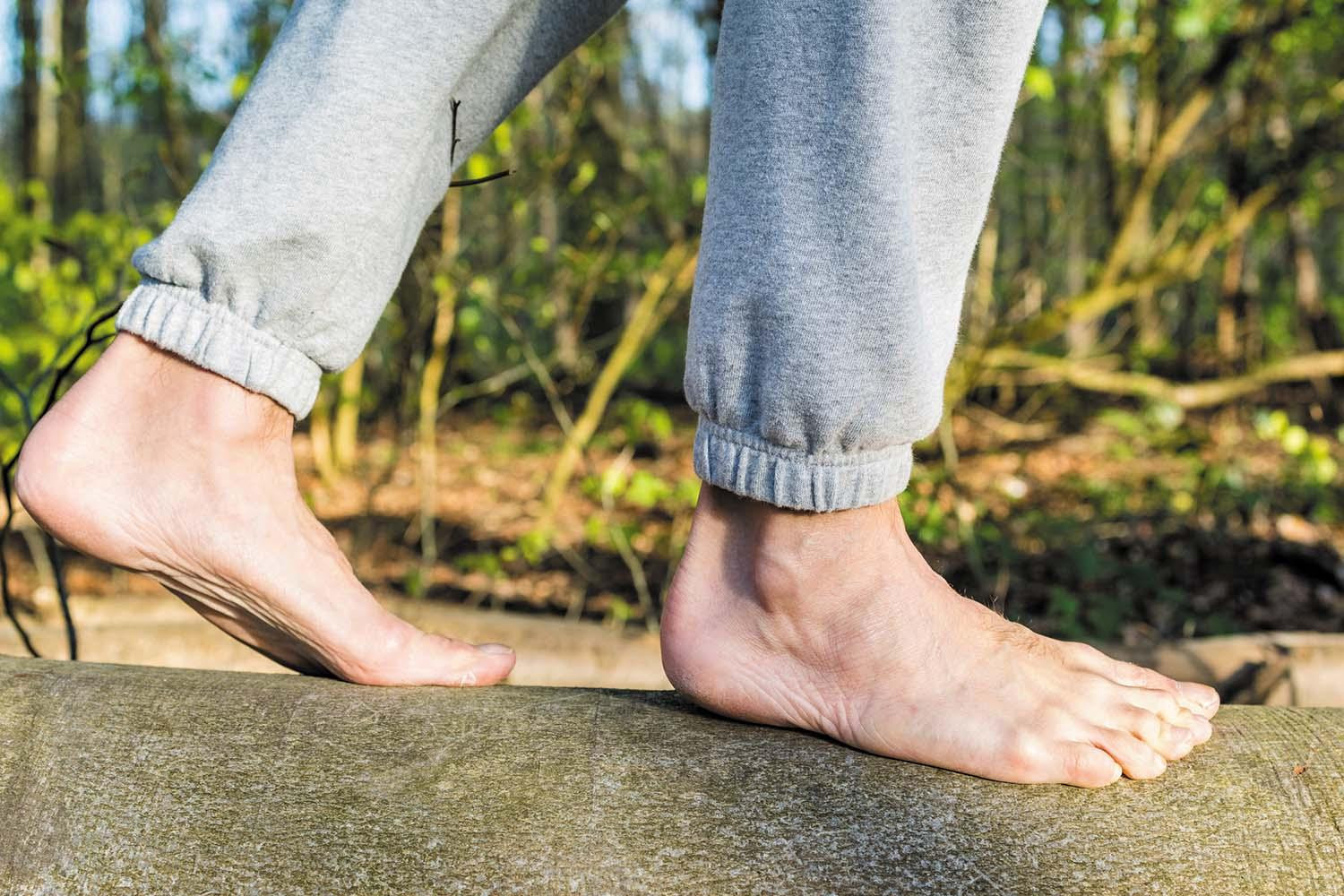
A look at nail problems
Toenail fungus, ingrown toenails, and brittle or cracked fingernails are common nail problems that affect older adults. They can make hands and feet unsightly and sometimes even painful. Treating these problems and preventing them from returning often takes a trial-and-error approach, diligence, and patience. Strategies include a combination of home remedies, over-the-counter medication, and good hygiene and grooming habits.
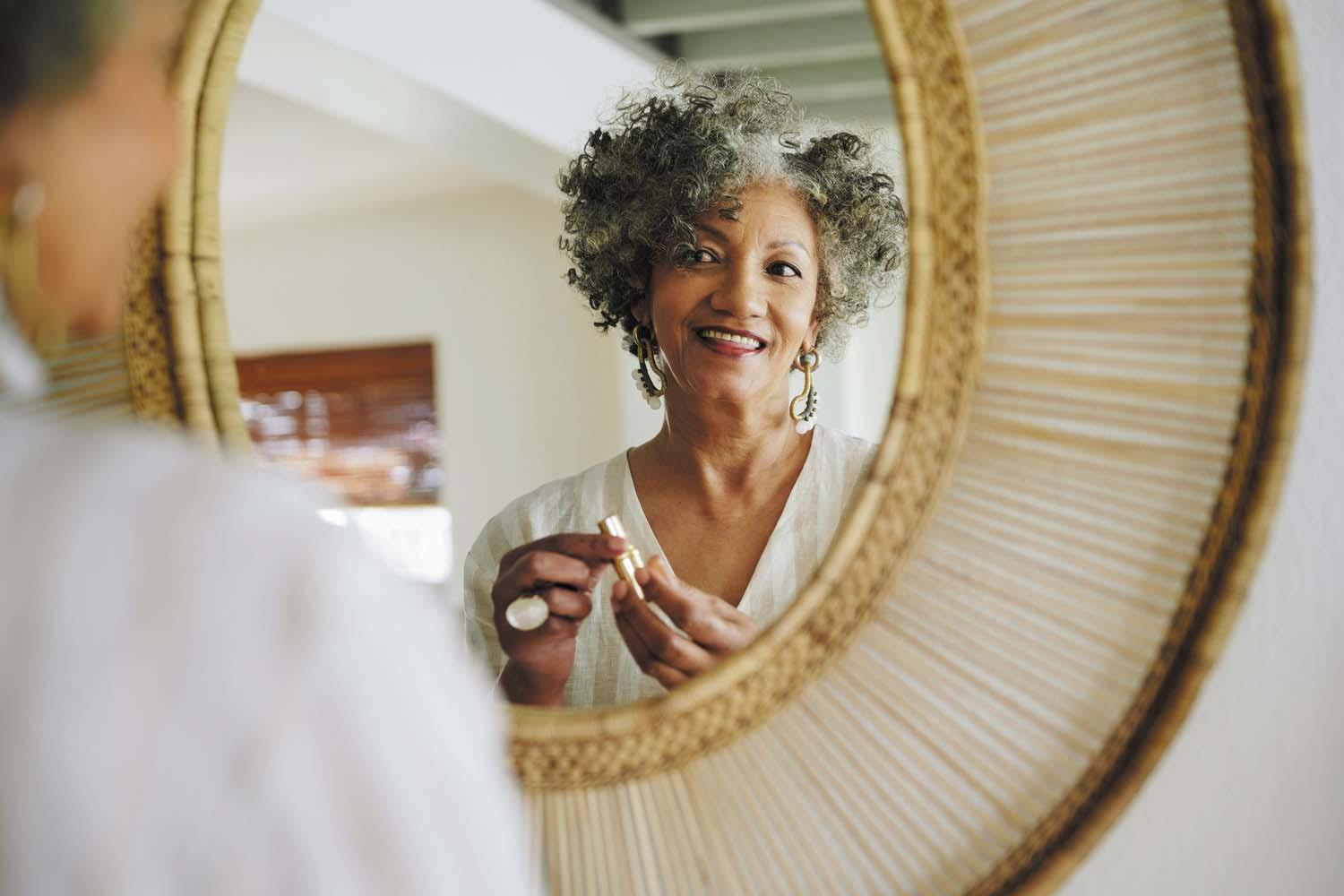
Fresh-faced through the years
With age, people develop brown spots, wrinkles, and sagging skin. Women are more likely than men to invest money and time to look younger. Sun protection and a variety of skin care products can help, including those containing alpha-hydroxy acids, retinols, vitamin C, and hyaluronic acid. Minimally invasive cosmetic procedures can also ease signs of aging. These include injections of botulinum toxin (Botox) or hyaluronic acid, laser treatments, and chemical peels. Skin care and treatments should be customized to each person.


Does spray-on sunscreen work as well as lotion?
Spray-on sunscreens can be as effective as lotion-based sunscreens for protecting skin from harmful ultraviolet light. People using sunscreen sprays should make sure skin appears wet and shiny where they've sprayed and rub the product in before it dries.
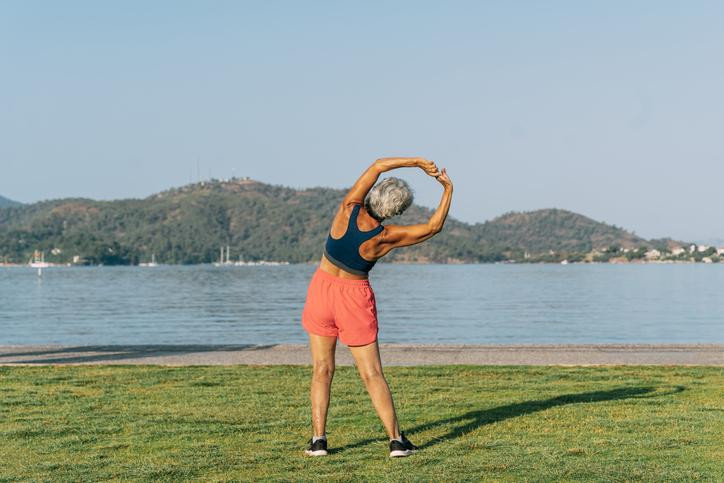
Exercise boosts colon cancer survival
In a 2025 study of about 900 people treated for colon cancer (followed for an average of eight years), people who took part in a supervised exercise program for three years had about 30% better odds of surviving, compared with people who weren't in the program.
Hip bursitis vs. arthritis: How to tell the difference
Fitness for longevity: Which type matters most?
Ministrokes linked to elevated risk of dementia
Continuous glucose monitors benefit people who don't need insulin
CoQ10: Should you take this popular supplement if you're on a statin?
Microplastics: A hidden health threat?
Oat vs. dairy milk: Nutrition, benefits, and downsides
What is tempeh? Benefits, nutrition, and how to use it
Healing after food poisoning
Whole grains may improve several heart risk factors at once
Free Healthbeat Signup
Get the latest in health news delivered to your inbox!
Sign Up
