

Hip bursitis vs. arthritis: How to tell the difference

Fitness for longevity: Which type matters most?

Ministrokes linked to elevated risk of dementia

Continuous glucose monitors benefit people who don't need insulin

CoQ10: Should you take this popular supplement if you're on a statin?

Microplastics: A hidden health threat?

Oat vs. dairy milk: Nutrition, benefits, and downsides

What is tempeh? Benefits, nutrition, and how to use it

Healing after food poisoning

Whole grains may improve several heart risk factors at once
Skin Cancer Archive
Articles


A hair-pulling disorder
Trichotillomania is a mental health disorder characterized by frequent, irresistible impulses to pull hair from the scalp or anywhere else on the body. It often results in embarrassing bald patches that people with the condition try to conceal. About one in 50 people has trichotillomania, and women are diagnosed and treated for it more often than men are. People with the disorder may pull hair when faced with stressors such as tension, loneliness, or fatigue. Among people who eat pulled hair, complications such as hairballs can be life-threatening.

Physical activity of any intensity tied to lower cancer risk
In a 2025 study of more than 85,000 people (average age 63), followed for six years, those who were the most active-even if they were simply doing light-intensity activities-had a 26% lower risk for cancer, compared with those who were least active.

Calcium may cut odds of colorectal cancer, while alcohol may boost them
A 2025 study suggested that boosting dietary calcium intake may reduce the odds of developing colorectal cancer, while drinking more alcohol may raise risks for the disease.

Do collagen supplements fulfill their promises?
The protein collagen supports skin, hair, nail, bone, joint, and muscle health. As people age, natural collagen production drops. Some early research suggests collagen supplements offer benefits, but people should ask their doctor about the pros and cons.
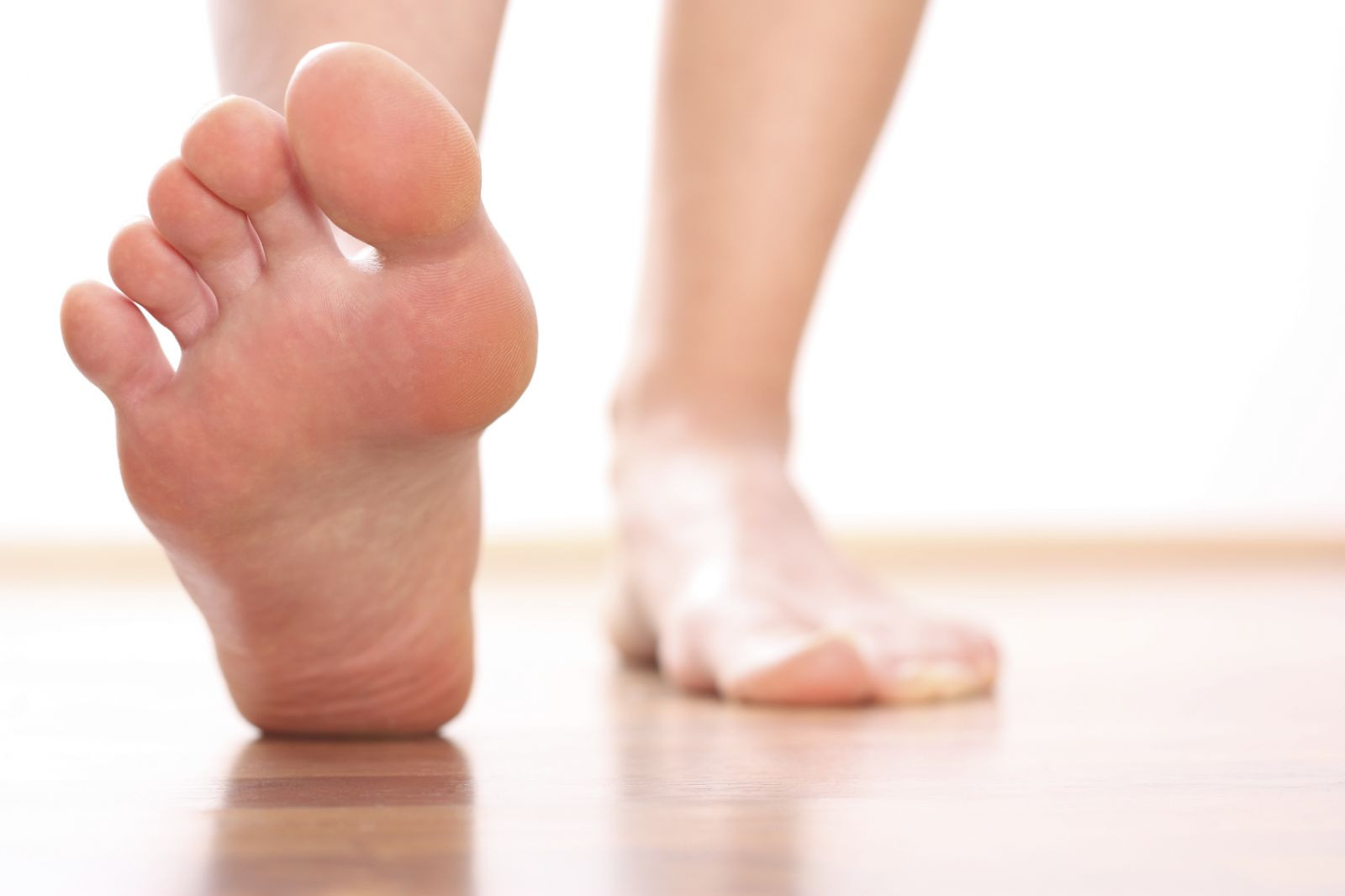

Can nail polish harm my nails?
Wearing nail polish does not harm nails. However, doing so for long periods can dry out the surface, prompting chalky, white patches to form. Removing nail polish with acetone-based products can also dry out the nails and surrounding skin.

Varicose veins: More than a cosmetic concern
Varicose veins are not just unsightly and uncomfortable; they can also be harbingers of more serious conditions, including deep-vein blood clots and venous ulcers. Ablation therapies to eradicate varicose veins can lower these risks. People can also try simple strategies to prevent and improve varicose veins, including doing exercises that work their calf muscles, elevating their legs, and wearing compression stockings.

The cancer–heart disease connection
Cancer survivors are more likely to die of heart disease than from cancer-related complications. One reason is that certain cancer treatments can cause cardiovascular complications. But the two diseases share many root causes, including tobacco use and obesity, as well as diabetes and high cholesterol. Growing evidence suggests that people with heart disease may be more likely to develop cancer.

Hidden battles: Keeping cancer secret
A portion of the two million Americans diagnosed with cancer each year choose to keep the news private or tell only a select few people. These patients may wish to avoid extra attention, sympathy, or different treatment; bypass burdening or alarming others; protect their job; feel in control of an uncertain situation; or sidestep judgment if their cancer is related to lifestyle choices. But opting for secrecy can pose several disadvantages, depriving patients of practical and emotional support and aggravating stress, anxiety, and depression.
Hip bursitis vs. arthritis: How to tell the difference
Fitness for longevity: Which type matters most?
Ministrokes linked to elevated risk of dementia
Continuous glucose monitors benefit people who don't need insulin
CoQ10: Should you take this popular supplement if you're on a statin?
Microplastics: A hidden health threat?
Oat vs. dairy milk: Nutrition, benefits, and downsides
What is tempeh? Benefits, nutrition, and how to use it
Healing after food poisoning
Whole grains may improve several heart risk factors at once
Free Healthbeat Signup
Get the latest in health news delivered to your inbox!
Sign Up
