

Hip bursitis vs. arthritis: How to tell the difference

Fitness for longevity: Which type matters most?

Ministrokes linked to elevated risk of dementia

Continuous glucose monitors benefit people who don't need insulin

CoQ10: Should you take this popular supplement if you're on a statin?

Microplastics: A hidden health threat?

Oat vs. dairy milk: Nutrition, benefits, and downsides

What is tempeh? Benefits, nutrition, and how to use it

Healing after food poisoning

Whole grains may improve several heart risk factors at once
Social engagement and relationships Archive
Articles
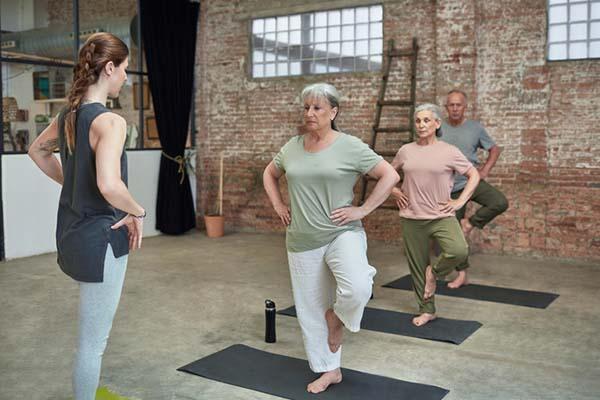
Fitness for longevity: Which type matters most?
According to a 2026 study, higher scores on certain fitness tests may help predict longevity. Balance and agility appear to be as crucial to living longer as cardiovascular fitness and muscle strength.

Do obsessions or compulsions always indicate OCD?
Obsessions or compulsions can prompt questions about your mental health. Explore how clinicians assess these experiences and what may guide your next step.

Why does nervousness make me sweat so much?
Excessive sweating can make social situations feel even more stressful. Explore what may be behind it and what options could help.

Navigating middle school is tough: How parents can help
Middle school can be challenging for many students, with increased time demands, more homework, and social situations to navigate. What can parents do to support their kids and strengthen family bonds during this period in their lives?

Caring for an aging parent? Tips for enjoying holiday meals
When you are a caregiver for an aging parent, the joy of gathering for holiday meals can be overshadowed by stress. Planning in advance for things like the day’s schedule, timing of the meal, what food your parent can or will eat, and making sure medications are taken will help children and parents enjoy the meal with as little stress as possible.

Why might an antidepressant increase anxiety?
Antidepressants can affect anxiety in unexpected ways, with timing, dosage, and personal factors shaping the search for the right treatment.
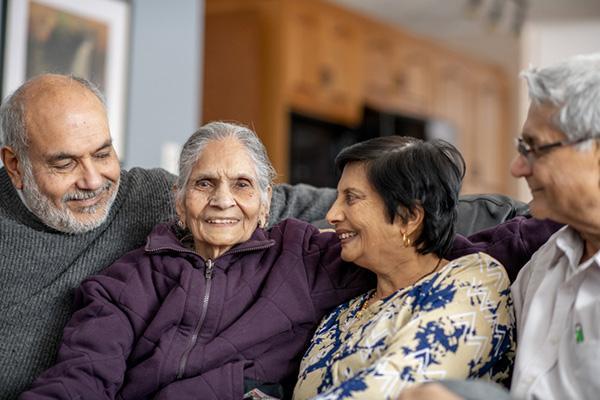
Children of centenarians may stay healthier and live longer too, study finds
In three long-term studies, children of centenarians had lower rates of high blood pressure when compared with others whose parents had shorter life spans. They also tended to have less heart disease, develop health problems later, and live about three years longer.
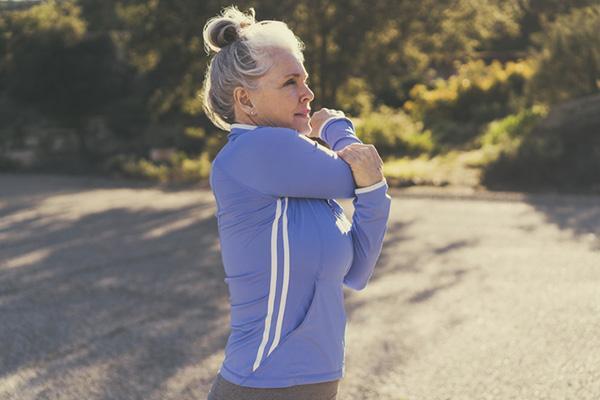
Could exercise change how much of your antidepressant you need?
Regular jogging can support mood and brain health, but changing an antidepressant dose involves more than adding exercise to your routine.

A tough question: When should an older driver stop driving?
Navigating whether or when an older person should limit or stop driving is tricky. Whether these concerns are about a family member or yourself, it's helpful to be aware of red flags and to understand how driving abilities -- and risk for motor vehicle accidents -- change with age.

Hip bursitis vs. arthritis: How to tell the difference
Fitness for longevity: Which type matters most?
Ministrokes linked to elevated risk of dementia
Continuous glucose monitors benefit people who don't need insulin
CoQ10: Should you take this popular supplement if you're on a statin?
Microplastics: A hidden health threat?
Oat vs. dairy milk: Nutrition, benefits, and downsides
What is tempeh? Benefits, nutrition, and how to use it
Healing after food poisoning
Whole grains may improve several heart risk factors at once
Free Healthbeat Signup
Get the latest in health news delivered to your inbox!
Sign Up
