

Hip bursitis vs. arthritis: How to tell the difference

Fitness for longevity: Which type matters most?

Ministrokes linked to elevated risk of dementia

Continuous glucose monitors benefit people who don't need insulin

CoQ10: Should you take this popular supplement if you're on a statin?

Microplastics: A hidden health threat?

Oat vs. dairy milk: Nutrition, benefits, and downsides

What is tempeh? Benefits, nutrition, and how to use it

Healing after food poisoning

Whole grains may improve several heart risk factors at once
Social engagement and relationships Archive
Articles

Seeking solace, finding resilience in a pandemic
Over the past year, so many of us have experienced various forms of trauma, and reported mental health symptoms have increased dramatically. But at the same time, people have shown resilience and found small moments of solace, relief, and even joy in life’s simple pleasures — and these moments help.

Want to feel more connected? Practice empathy
Empathy helps people get along with others, but the ability to understand another person’s experience comes more easily to some people than to others. However, the capacity for empathy can be honed and improved like any other skill.

The link between abdominal fat and death: What is the shape of health?
Body mass index is commonly used to assess a person’s weight status and health risk, but it does not indicate how much fat a person has or how it is distributed throughout the body — indicators of metabolic health. A recent study analyzed different measures of body shape to determine which are most predictive of premature death.

Easy ways you can improve indoor air quality
Reduce indoor allergens that can trigger respiratory problems and other issues.
Image: © Voyagerix/Getty Images
It may feel cozy being sealed in tight against the cold in your home during the chillier months of the year, but for people who are sensitive to indoor allergens or have respiratory problems, winter can exacerbate problems. Stale indoor air and heating systems can increase the amount of allergy-inducing dust mites, pet dander, and mold spores circulating through your house. In late winter and early spring, it may still be too chilly to throw open the windows to pull out the musty air, so while you await the warmer weather it's important to be aware of some of the allergy and respiratory triggers that may be lurking in your surroundings.
"Most of the things that cause problems are odorless," says Dr. Nicholas BuSaba, associate professor of otolaryngology at Harvard Medical School. "So, in many cases there's nothing to alert you to the problem." That is, there's nothing other than the symptoms these allergens can trigger — such as respiratory problems (including asthma flare-ups), fatigue and sleepiness, or even digestive issues.

How to overcome grief’s health-damaging effects
The deaths of friends and family members become more common as you age. Here is how to endure the grieving process.
Image: © kali9/Getty Images
Most men don't face much personal loss early in their lives. Yet, once they reach a certain age, they will encounter the experience of losing someone important to them — a spouse, a friend, a relative — and the feelings of grief that often follow.
"Grief is a natural response to loss, but it is something that men are not prepared for, and they often struggle to understand how it can affect their lives," says Dr. Eric Bui, associate director for research at the Center for Anxiety and Traumatic Stress Disorders and Complicated Grief Program at Harvard-affiliated Massachusetts General Hospital.
Wearable weights: How they can help or hurt
They're great as a substitute for a dumbbell, but a risky choice for some exercises.
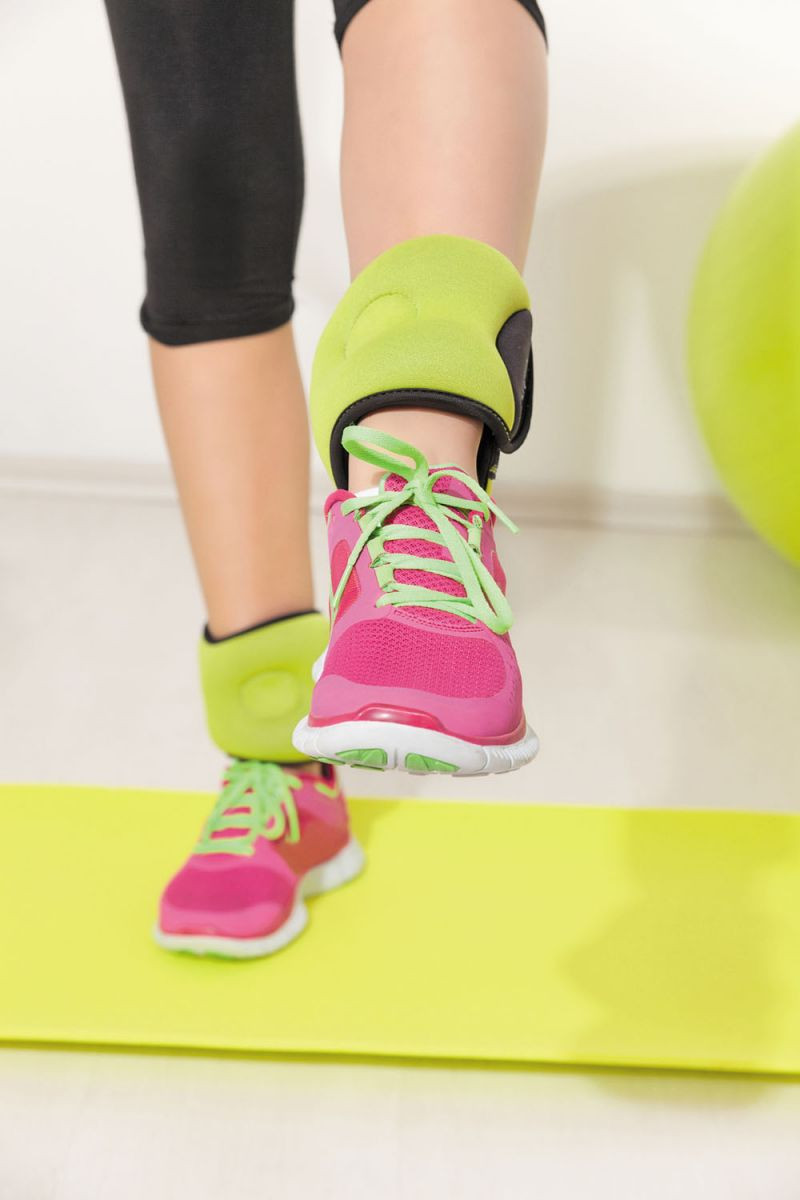
When you want to add strength training to your routine, wearable weights seem like a handy shortcut. Just slip them on and do your regular workout. But it's not that simple. "They're great for specific exercises, but they have some risks," says Terry Downey, a physical therapist at Harvard-affiliated Spaulding Rehabilitation Network.
Ankle weights
You may see people walking around with weights around their ankles. The weights are typically built into a wide neoprene strap that wraps around the ankle and attaches with Velcro.

Is poison ivy contagious?
Ask the doctors
Q. I'm very allergic to poison ivy. My spouse currently has a bad poison ivy rash that he got while trimming some bushes in our yard. I'm afraid I'm going to get a rash from him. Is it contagious?
A. Good news: poison ivy rashes are not contagious. You will get a rash from poison ivy only if you come into contact with urushiol oil, which is the plant oil in poison ivy that triggers the rash. In addition, a poison ivy rash, even one with open blisters, won't spread to other areas of the body. The rash only occurs on parts of the body that were actually exposed to the plant oil. Poison ivy rashes can appear to spread if urushiol oil is trapped under your fingernails and you scratch an itch. While you can't get a rash from coming from your spouse, you can get it from clothing or other items that have the plant oil on them. For example, the clothes your spouse was wearing that came into contact with the poison ivy plant. Poison ivy oil can cling to garden tools or even pet fur. The oil from poison ivy is known to linger. According to the FDA, it can stick around on surfaces, sometimes for years, until it is washed away using water or rubbing alcohol. So be certain that all surfaces that are potentially contaminated are cleaned thoroughly to reduce your risk.

Precious metals and other important minerals for health
Make sure your diet meets the recommended mineral targets.
Image: © fstop123/Getty Images
Gold, silver, and platinum get all the attention as the world's most precious metals. But they're more precious for the global economy than for human health. Instead, other metals and minerals (metals are one type of mineral) are more important for our health (see "What essential metals do for us"). Indeed, some of them are so important that we can't live without them. "Each one plays a role in hundreds of body functions. It may take just a very small quantity of a particular mineral, but having too much or too little can upset a delicate balance in the body," says Dr. Bruce Bistrian, chief of clinical nutrition at Beth Israel Deaconess Medical Center.
What essential metals do for usMany metals are used to make strong and durable everyday objects, like copper pipes or iron skillets. But they don't form such strong and durable objects in our bodies. Instead, many essential metals are needed to activate enzymes — molecules with important jobs in the body. And metals have many other essential roles as well. For example:
|
Hip bursitis vs. arthritis: How to tell the difference
Fitness for longevity: Which type matters most?
Ministrokes linked to elevated risk of dementia
Continuous glucose monitors benefit people who don't need insulin
CoQ10: Should you take this popular supplement if you're on a statin?
Microplastics: A hidden health threat?
Oat vs. dairy milk: Nutrition, benefits, and downsides
What is tempeh? Benefits, nutrition, and how to use it
Healing after food poisoning
Whole grains may improve several heart risk factors at once
Free Healthbeat Signup
Get the latest in health news delivered to your inbox!
Sign Up
