

Hip bursitis vs. arthritis: How to tell the difference

Fitness for longevity: Which type matters most?

Ministrokes linked to elevated risk of dementia

Continuous glucose monitors benefit people who don't need insulin

CoQ10: Should you take this popular supplement if you're on a statin?

Microplastics: A hidden health threat?

Oat vs. dairy milk: Nutrition, benefits, and downsides

What is tempeh? Benefits, nutrition, and how to use it

Healing after food poisoning

Whole grains may improve several heart risk factors at once
Social engagement and relationships Archive
Articles

How meditation helps with depression
A regular practice can help your brain better manage stress and anxiety that can trigger depression.
Image: © skynesher/Getty Images
Depression continues to be a major health issue for older adults. It affects about 20% of adults ages 65 and older, and regular depression can lead to higher risks for heart disease and death from illnesses. It also affects people's daily lives by making them more socially isolated and affecting cognitive function, especially memory.
In fact, a study of 1,111 people (average age 71), published online May 9, 2018, by Neurology, found that those who had greater symptoms of depression also had worse episodic memory — the ability to recall specific experiences and events.

Do you need a daily supplement?
Most older adults take some kind of over-the-counter dietary supplement. But are these products right for everyone?
Image: © phototake/Getty Images
Over-the-counter dietary supplements are big business — more than 90,000 products generate about $30 billion every year in the United States. Older adults make up a big part of these sales, too. A survey of almost 3,500 adults ages 60 and older published Oct. 1, 2017, in The Journal of Nutrition found that 70% use a daily supplement (either a multivitamin or individual vitamin or mineral), 54% take one or two supplements, and 29% take four or more.
But are these pills good medicine, or a waste of money?

Take that, muscle cramps!
Here are the best ways to stop painful cramps — and prevent them from returning.
Image: © ChesiireCat/Getty Images
A muscle cramp always feels like a surprise. The involuntary contraction strikes without warning, whether it's a charley horse in the middle of night or a back spasm as you reach for an everyday object. But don't let that cramp throw you for a loop. "When it suddenly strikes, don't exercise or tighten the muscle. Just gently stretch it to your tolerance. That helps to relax the muscle and relieve the uncontrolled contraction," says Madhuri Kale, a physical therapist at Harvard-affiliated Brigham and Women's Hospital.
What causes cramps?
Exercising without properly warming up the muscles can lead to cramps. Cramps also occur when a muscle is not able to relax properly (such as from a deficiency of magnesium or potassium in your diet) or when it becomes irritated by a buildup of lactic acid (which can happen if you don't rest your muscle after it has exercised a lot). Dehydration can worsen both of these problems. Kale says older adults often don't drink enough water at night because they want to avoid having to go the bathroom, and they end up dehydrated.
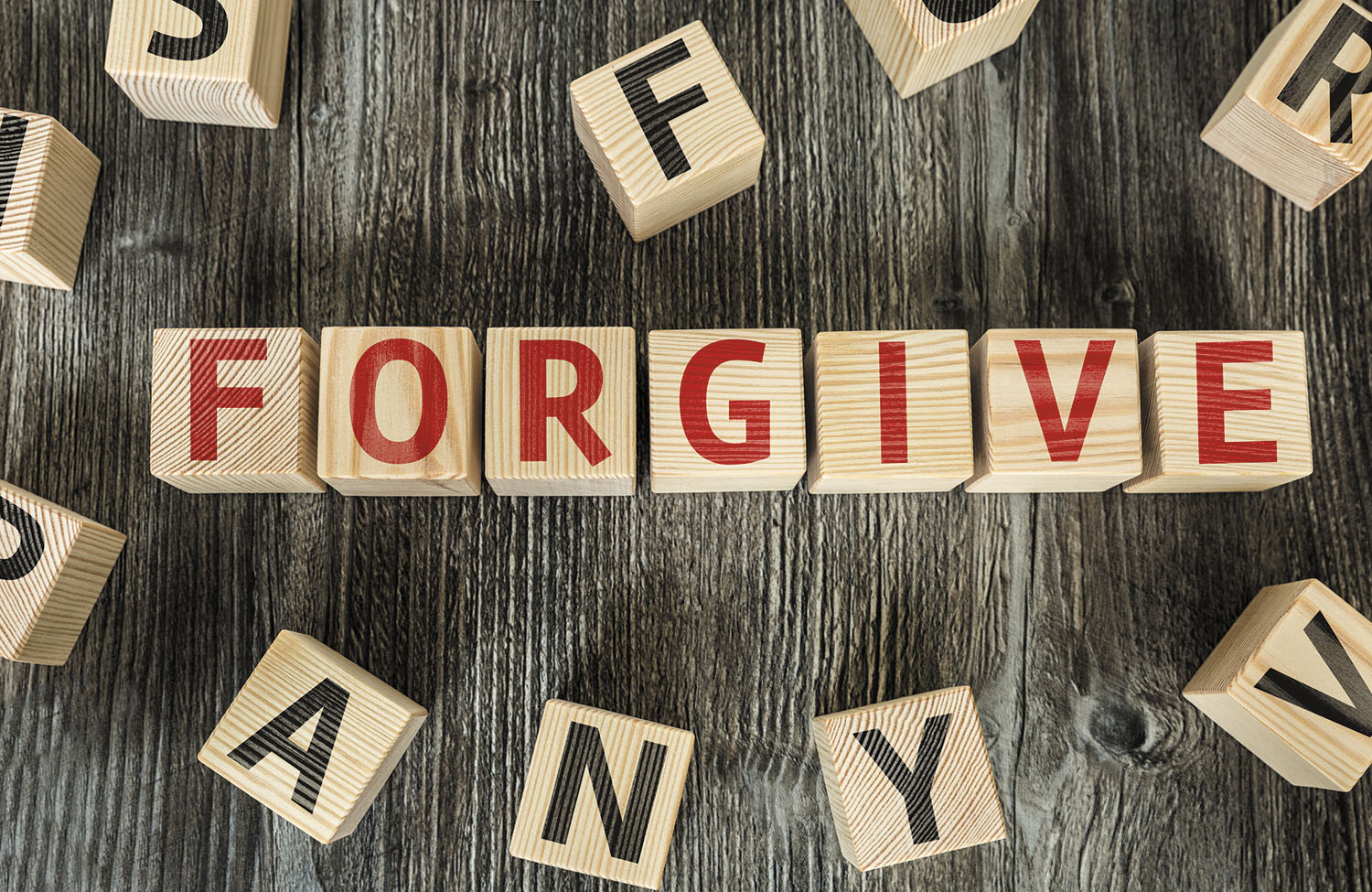
The power of forgiveness
The REACH method teaches how to overcome lingering bad feelings toward someone who did you wrong.
Almost everyone has experienced being wronged by someone. It could be a former co-worker, friend, or family member. But hanging on to those negative feelings can do great harm to your health.
"Forgiving a person who has wronged you is never easy, but dwelling on those events and reliving them over and over can fill your mind with negative thoughts and suppressed anger," says Dr. Tyler VanderWeele, co-director of the Initiative on Health, Religion, and Spirituality at the Harvard T.H. Chan School of Public Health. "Yet, when you learn to forgive, you are no longer trapped by the past actions of others and can finally feel free."

What type of mattress is best for people with low back pain?
Back pain is one of the top reasons that people begin to lose mobility in middle age. Pain can keep people from engaging in physical activity, making it more difficult for them to maintain a healthy weight and keep up their strength, stamina, and balance as they age. So treating and managing back pain that results from injuries or health problems is crucial for staying on the path of a healthy and active life.
Considering that most people spend roughly a third of their lives lying in bed, choosing the right mattress is essential for managing low back pain. It can make the difference in whether you can sleep at night and function the next day.

5 truths about protecting your eyes
Of your five senses, which one are you most afraid of losing? If you're like most people, your answer is your ability to see. Because our eyesight is so precious, it's no wonder that myths abound about your eye health, what can damage our eyes — , and what can protect them. Here, we debunk five common myths — and tell you how to truly keep your eyes healthy.
Myth: Doing eye exercises will delay the need for glasses.
Fact: Eye exercises will not improve or preserve vision, help your eye health, or reduce the need for glasses. Your vision depends on many factors, including the shape of your eyeball and the health of the eye tissues, neither of which can be significantly altered with eye exercises.

4 ways to boost your self-compassion
Take a moment to think about how you treat yourself when you make a mistake or fail to reach a goal. If you tend to beat yourself up when things go wrong, you, like most people, can use a little more self-compassion in your life.
Forgiving and nurturing yourself seem to have benefits in their own right. Strong self-compassion can even set the stage for better health, relationships, and general well-being. So far, research has revealed a number of benefits of self-compassion. Lower levels of anxiety and depression have been observed in people with higher self-compassion. Self-compassionate people recognize when they are suffering and are kind to themselves at these times, thereby lowering their own levels of related anxiety and depression.

Does apple cider vinegar have any proven health benefits?
On call
Q. I have heard a lot about how apple cider vinegar can help improve one's health. Is there anything to this?
A. As with so many dietary fads, apple cider vinegar has seen its share of health claims with little medical evidence to support them. The studies exploring its health benefits have focused on reductions in blood sugar levels and weight loss, but these have been small, short-term trials or animal studies.

4 ways to get better sleep
People with insomnia struggle to get a good night's rest and wonder how to sleep better They may be plagued by trouble falling asleep, unwelcome awakenings during the night, or fitful sleep - alone or in combination. They may feel drowsy during the day and yet be unable to nap. Insomnia can leave a person feeling anxious and irritable or forgetful and unable to concentrate.
Finding an effective solution requires uncovering the cause. Nearly half of insomnia cases stem from psychological or emotional issues. Stressful events, mild depression, or an anxiety disorder can make falling asleep and staying asleep difficult. Ideally, once the underlying cause is treated, the insomnia improves.

5 weight training tips for people with arthritis
Strength training is good for just about everyone. It's especially beneficial for people with arthritis. When properly done as part of a larger exercise program, strength training helps them support and protect joints, not to mention ease pain, stiffness, and possibly swelling. Yet, the thought of starting a weight training program can be daunting to many arthritis sufferers.
If you have arthritis and want to incorporate strength training into your health routine, these tips can help you get started.
Hip bursitis vs. arthritis: How to tell the difference
Fitness for longevity: Which type matters most?
Ministrokes linked to elevated risk of dementia
Continuous glucose monitors benefit people who don't need insulin
CoQ10: Should you take this popular supplement if you're on a statin?
Microplastics: A hidden health threat?
Oat vs. dairy milk: Nutrition, benefits, and downsides
What is tempeh? Benefits, nutrition, and how to use it
Healing after food poisoning
Whole grains may improve several heart risk factors at once
Free Healthbeat Signup
Get the latest in health news delivered to your inbox!
Sign Up
