

Hip bursitis vs. arthritis: How to tell the difference

Fitness for longevity: Which type matters most?

Ministrokes linked to elevated risk of dementia

Continuous glucose monitors benefit people who don't need insulin

CoQ10: Should you take this popular supplement if you're on a statin?

Microplastics: A hidden health threat?

Oat vs. dairy milk: Nutrition, benefits, and downsides

What is tempeh? Benefits, nutrition, and how to use it

Healing after food poisoning

Whole grains may improve several heart risk factors at once
Social engagement and relationships Archive
Articles

Inflammatory foods and sweet drinks raise heart disease risk
In the journals
Two recent studies shined a new spotlight on how inflammatory foods and drinks can affect heart disease risk. One study, published Nov. 10, 2020, in the Journal of the American College of Cardiology, looked at the impact high- and low-inflammatory diets had among 210,000 people free of heart disease at the beginning of the study. High-inflammatory diets were defined as those with more red, processed, and organ meats; refined carbohydrates; and sweetened drinks. In contrast, anti-inflammatory diets emphasize leafy greens (kale, spinach), dark yellow and orange vegetables (yellow peppers, carrots), whole grains, fruits, tea, coffee, and moderate amounts of red wine.
Participants' eating habits were recorded every four years for up to 32 years. Those who followed a high-inflammatory diet ended up with a 38% higher risk of heart disease and a 28% higher risk of stroke than those who ate a low-inflammatory diet.

Statin side effect could be due to the "nocebo" effect
In the journals
People who are worried about statins because of possible side effects may experience what's called the "nocebo effect" when they try taking the drugs. This is the opposite of the placebo effect; with the nocebo effect, people who have negative expectations about medicine or a treatment experience harmful symptoms they otherwise wouldn't have.
Researchers recruited 60 people, average age 66, who had previously stopped statins after two weeks because of side effects. For one month each, they took 20 milligrams of atorvastatin (Lipitor), a placebo, or no pill. They then continued this monthly rotation for a year without knowing which pill was which.

An outlook better than optimism?
While looking at the sunny side of life offers a lot of light moments, there may be a better path to well-being.
Optimism feels good. The expectation that positive things will happen is associated with happiness and better health, including fewer heart attacks and a lower risk for premature death. Pessimism, on the other hand, feels bad; it makes you depressed or anxious and keeps the fight-or-flight system activated, triggering chronic inflammation (which is linked to many diseases).
You might think the best way to improve your well-being is to cultivate an optimistic outlook. Think again. "Better than cultivating an artificial optimism is to see the situation and the world realistically," says Ronald Siegel, an assistant professor of psychology, part-time, at Harvard Medical School and medical editor of the Harvard Special Health Report Positive Psychology.

Tai chi or yoga? 4 important differences
Here's how to determine which is best for your needs.
Tai chi and yoga have many similarities. Both are gentle, low-intensity exercises that have been practiced for hundreds of years. Both are good for your mind and body (see "Tai chi and yoga benefits"). And both have been shown to be beneficial for older adults in particular. How do you choose one over the other? Several differences can influence your choice.
Tai chi and yoga benefitsTai chi and yoga share a long list of health and wellness benefits. Both can improve your balance, flexibility, strength, mobility, mood, quality of life, range of motion, reflexes, and thinking skills. They also reduce pain and your risk of falls. How do two exercises accomplish all that? "Rather than targeting just one aspect of health — like an aspirin for a headache — yoga and tai chi movements address many health systems and work synergistically," says Peter Wayne, faculty editor of the Harvard Special Health Report An Introduction to Tai Chi. |

I have an egg allergy. Can I still get a flu shot?
Ask the doctors
Q. Is it true that I should skip my annual flu shot if I'm allergic to eggs? If not, is it too late in the season to get one?
A. In the past, people with egg allergies were advised not to get the flu vaccine, but that advice no longer holds true. Most flu vaccines contain small amounts of egg proteins, which are introduced during the vaccine-manufacturing process. However, the CDC now advises that even people with egg allergies should receive the flu vaccine, because the risk of a severe allergic reaction is so small — only an estimated 1.31 vaccinations in every million.

3 simple strategies for stress relief
As we wade through our daily lives, stress is almost impossible to avoid –– particularly these days. Instead of enduring stress and letting it engulf you, try one or more of these three easy strategies to relieve it.


Exercise matters to health and well-being, regardless of your size
Regardless of your size or fitness level, exercise has multiple benefits. Almost anything that gets you moving counts, and some activity is always better than none. These suggestions can help you make exercise work for you.

CBD and other medications: Proceed with caution
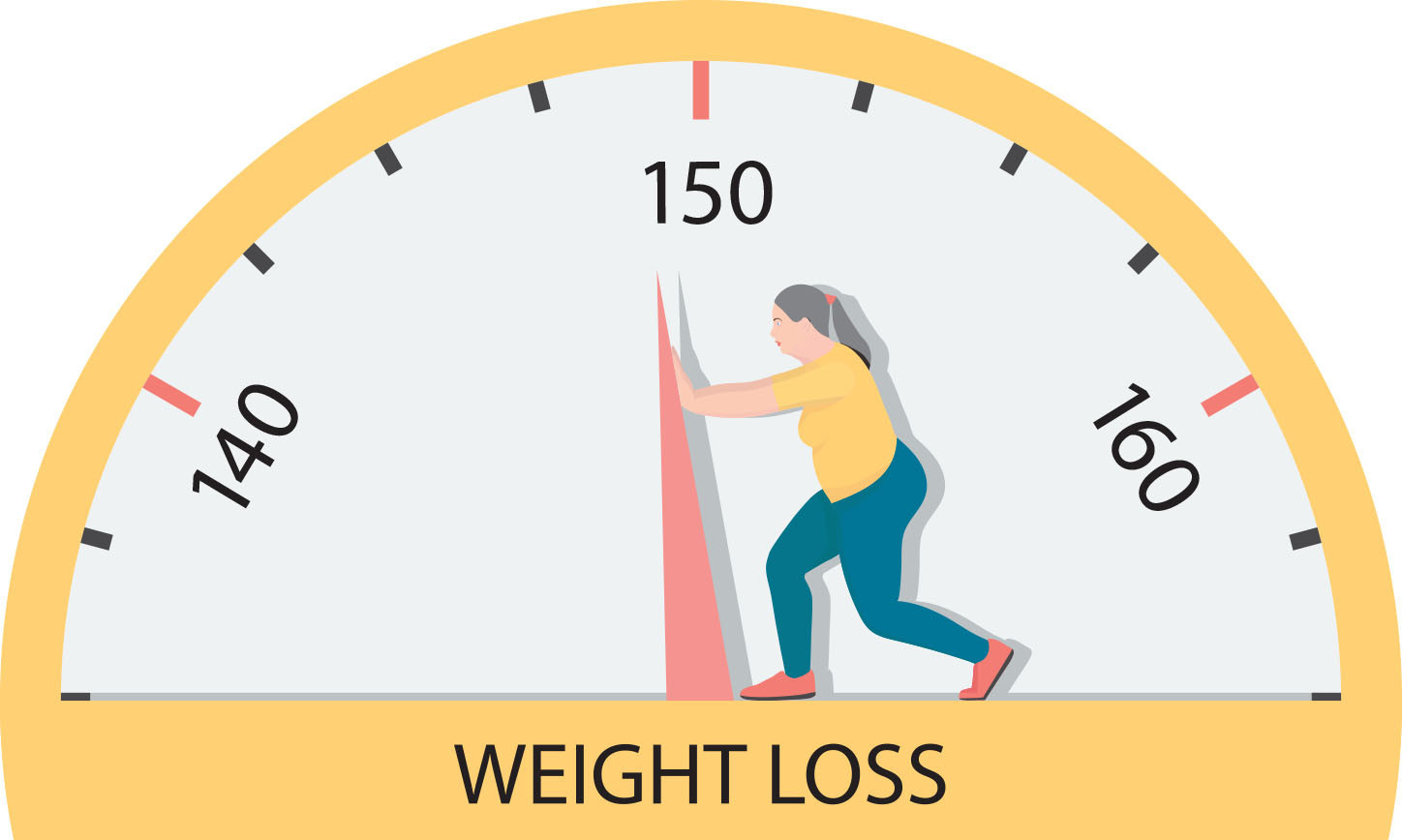
Tips to keep lost weight off in the New Year
Work with your body, not against it, for long-term weight maintenance.
For many people, their New Year's resolutions include some sort of weight-loss goal. However, while extra pounds often come off, evidence shows they rarely stay off. Among overweight or obese people who are able to lose 10% of their body weight, just one in six is able to maintain the weight loss for at least a year.
Experts say it's not surprising that weight loss rarely sticks, considering what they now know about how the body works. "Most people believe that obesity is caused by overeating, while we now recognize that the main driver of obesity is one or more disruptions in the body's normal regulation of the amount of fat we maintain," says Dr. Lee Kaplan, an associate professor of medicine at Harvard Medical School and director of the Obesity, Metabolism, and Nutrition Institute at Massachusetts General Hospital.
Hip bursitis vs. arthritis: How to tell the difference
Fitness for longevity: Which type matters most?
Ministrokes linked to elevated risk of dementia
Continuous glucose monitors benefit people who don't need insulin
CoQ10: Should you take this popular supplement if you're on a statin?
Microplastics: A hidden health threat?
Oat vs. dairy milk: Nutrition, benefits, and downsides
What is tempeh? Benefits, nutrition, and how to use it
Healing after food poisoning
Whole grains may improve several heart risk factors at once
Free Healthbeat Signup
Get the latest in health news delivered to your inbox!
Sign Up
