

Hip bursitis vs. arthritis: How to tell the difference

Fitness for longevity: Which type matters most?

Ministrokes linked to elevated risk of dementia

Continuous glucose monitors benefit people who don't need insulin

CoQ10: Should you take this popular supplement if you're on a statin?

Microplastics: A hidden health threat?

Oat vs. dairy milk: Nutrition, benefits, and downsides

What is tempeh? Benefits, nutrition, and how to use it

Healing after food poisoning

Whole grains may improve several heart risk factors at once
Stress Archive
Articles

Living longer, without dementia
A study published online April 13, 2022, by The BMJ found that those age 65 or older who regularly practiced numerous healthy lifestyle habits lived longer and had fewer years with dementia than those who practiced one or no healthy lifestyle factors.

Do blood tests really help diagnose Alzheimer's disease?
In May 2022, the FDA approved a blood test to help diagnose Alzheimer's disease. The test looks for amyloid-beta protein, a marker of Alzheimer's. The blood test is quite accurate, compared with positron emission tomography (PET) brain scans, which are more expensive and complicated. More blood tests, including some that look for tau protein (another marker of Alzheimer's), also are under development. Other tests used to diagnose Alzheimer's include computed tomography (CT), magnetic resonance imaging (MRI), and a spinal tap.

Spotting memory loss in a loved one
It can be hard to detect a potentially serious type of memory loss in a loved one, especially if small cognitive changes occur over time. It may help to note memory slips that happen consistently or those that seem uncharacteristic for the person. Tracking incidents on a calendar may also help reveal patterns. Potential incidents include consistently forgetting a close family member's name, important conversations, words for everyday objects, bills that are due, medication times or doses, or routes home from familiar places. Other common issues are frequently having trouble at work, making financial mistakes, or taking medications incorrectly.

The little things that can improve your health
In addition to major healthy lifestyle habits, such as exercising and eating a healthy diet, it's important to practice lots of little healthy habits throughout the day. Some should be observed every 30 minutes, such as taking a quick activity break and drinking a little water. Other habits, such as having a healthy snack or using eye drops, can be done every few hours. And some healthy habits help if practiced even just once a day, such as learning something new, chatting with someone outside of the household, or meditating.

Can music improve our health and quality of life?
Humans' relationship with music is complex and individual, and there are times when music can have a clear and immediate impact on our well-being. Music therapy uses music as a therapeutic tool to address certain health care goals.

Managing weight gain from psychiatric medications
A side effect of many psychiatric medications is weight gain. Antidepressants, antipsychotics, anti-anxiety and sleep medications, and mood stabilizers can all affect metabolism in ways that lead to increased weight, so it's important to know what you can do to lessen this unwanted effect.

Can stress trigger hiccups?
Hiccups are sometimes triggered by emotional stress such as surprise, fright, or nervousness. People can try to stop hiccups by holding their breath for five to 10 seconds, breathing into a paper bag, or sipping ice water. Occasionally, hiccups signal other conditions.

Exercise helps counter anxiety from active surveillance
A 2022 study suggests that men who follow active surveillance for low-grade prostate cancer can manage stress and anxiety about their condition by following a high-intensity interval training program.
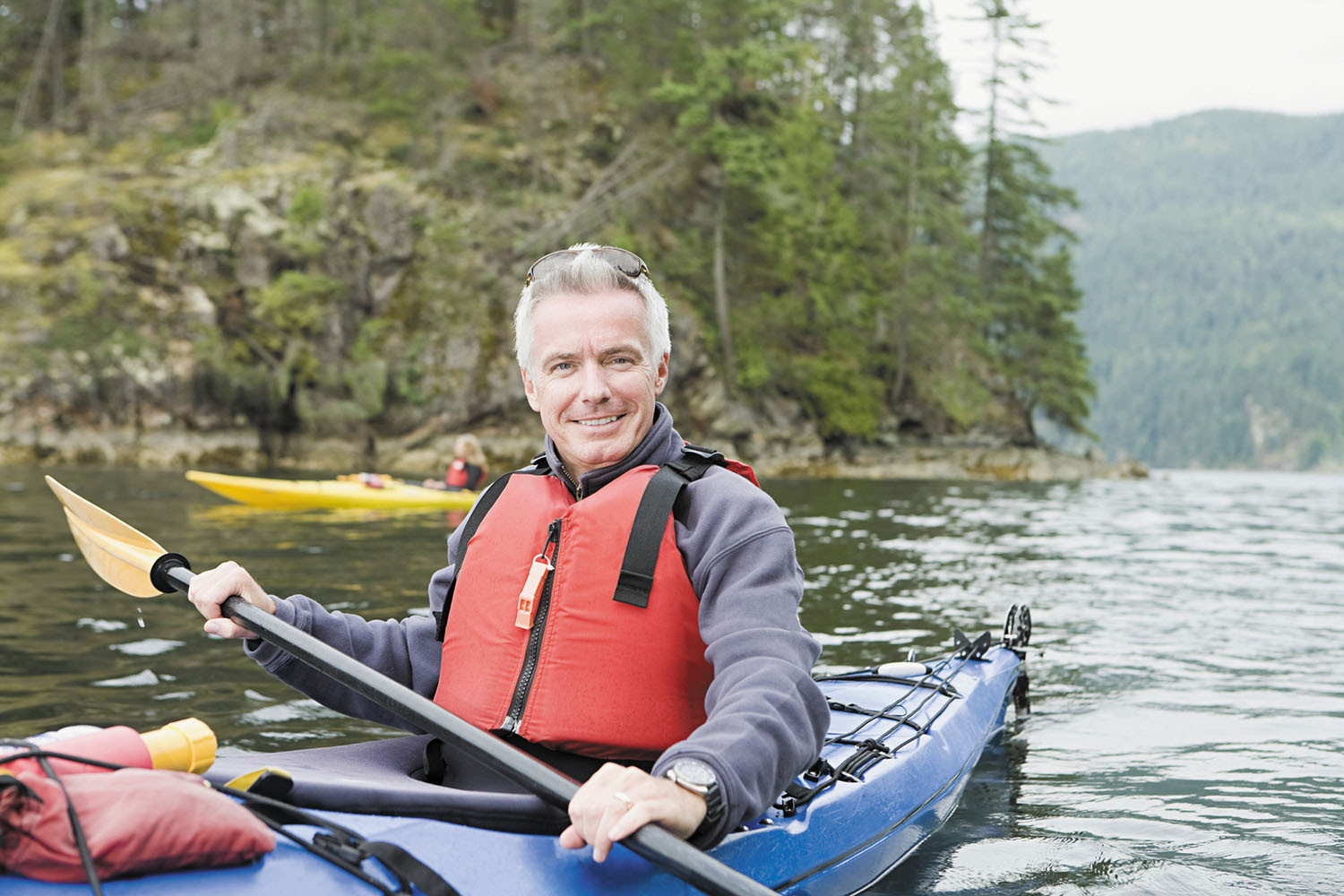
Grab your paddle
Paddle sports, like canoeing, kayaking, and paddleboarding, tone muscles in the back, shoulders, arms, and core to help make everyday movement easier and safer. Plus, water activities get people to interact with nature, which can boost their mental and emotional health. Begin by signing up for individual or group paddling lessons where all equipment is provided. The experience teaches you the basics, like how to paddle and safely get in and out of the boat, and other rules and etiquette.

Can a little bit of exercise lower your depression risk?
A review of studies published online April 13, 2022, by JAMA Psychiatry found that people who did 75 minutes per week of moderate-intensity exercise, such as brisk walking, had an 18% lower risk for depression, compared with people who didn't exercise.
Hip bursitis vs. arthritis: How to tell the difference
Fitness for longevity: Which type matters most?
Ministrokes linked to elevated risk of dementia
Continuous glucose monitors benefit people who don't need insulin
CoQ10: Should you take this popular supplement if you're on a statin?
Microplastics: A hidden health threat?
Oat vs. dairy milk: Nutrition, benefits, and downsides
What is tempeh? Benefits, nutrition, and how to use it
Healing after food poisoning
Whole grains may improve several heart risk factors at once
Free Healthbeat Signup
Get the latest in health news delivered to your inbox!
Sign Up
