

Hip bursitis vs. arthritis: How to tell the difference

Fitness for longevity: Which type matters most?

Ministrokes linked to elevated risk of dementia

Continuous glucose monitors benefit people who don't need insulin

CoQ10: Should you take this popular supplement if you're on a statin?

Microplastics: A hidden health threat?

Oat vs. dairy milk: Nutrition, benefits, and downsides

What is tempeh? Benefits, nutrition, and how to use it

Healing after food poisoning

Whole grains may improve several heart risk factors at once
Stress Archive
Articles
What is alopecia areata and how is it managed?
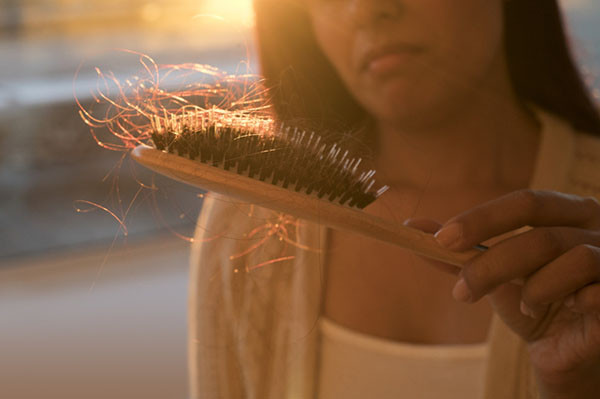
Hair loss is a common problem for many men and women, but what does it mean to have alopecia? Alopecia areata occurs when the body's immune system attacks hair follicles, resulting in hair loss. AA can affect the scalp, eyebrows, eyelashes, or anywhere hair grows on the body.

Eating disorders spike among children and teens: What parents should know
A notable rise in eating disorders is particularly marked among adolescent girls. Many kinds of eating disorders can affect children and teens, and parents need to understand their causes and be aware of signs suggesting their child may have an eating disorder.

Primary progressive aphasia involves many losses: Here's what you need to know
When thinking about progressive brain disorders that cause dementia, you'd probably think of memory problems. But sometimes language problems, also known as aphasia, are the first symptom. There are different variants of aphasia depending on what aspect of language is disrupted, and they are caused by different diseases.

Could cataract surgery bring brain benefits?
A 2021 study found that people who underwent cataract surgery (a procedure replace the lens of the eye) appeared to have a lower risk of developing dementia than those who had cataracts but did not undergo surgery.

Even light physical activity may help prevent dementia
Past research shows that exercise may help to prevent dementia. A new study found that this may be true even for people who only do light daily activity, such as errands or housework. People who got only a little exercise still had a lower risk of dementia than those who were inactive. The risk reduction, however, was not as large as that seen in people who exercised more. Adding small daily bouts of activity may still make a difference when it comes to brain health.

The worst habits for your brain
Many habits can contribute to poor brain health, but four areas can have the most influence. They are the four S's: sitting, socializing, sleep, and stress. Research has found that poor habits in these areas can affect cognitive skills like memory, learning, and problem solving, and are linked to a higher risk of cognitive decline and Alzheimer's disease. Adopting simple lifestyle changes may help.

Laughing with friends linked to lower risk of disability
An observational study published in the February 2022 issue of Preventive Medicine suggests that laughing with friends is associated with a 30% reduced risk of developing functional disability—problems performing essential everyday activities.

Pool therapy beats physical therapy for chronic low back pain
A small, randomized trial published online Jan. 3, 2022, by JAMA Network Open suggests that aquatic or pool therapy is more effective at reducing chronic low back pain than physical therapy.

Screening at home for memory loss: Should you try it?
The time pressures of primary care doctors make it unlikely that they will be able to give their patients tests of cognitive function. So how will the growing numbers of people at risk for Alzheimer's or another type of dementia be identified? A self-administered test is now available.

Hip bursitis vs. arthritis: How to tell the difference
Fitness for longevity: Which type matters most?
Ministrokes linked to elevated risk of dementia
Continuous glucose monitors benefit people who don't need insulin
CoQ10: Should you take this popular supplement if you're on a statin?
Microplastics: A hidden health threat?
Oat vs. dairy milk: Nutrition, benefits, and downsides
What is tempeh? Benefits, nutrition, and how to use it
Healing after food poisoning
Whole grains may improve several heart risk factors at once
Free Healthbeat Signup
Get the latest in health news delivered to your inbox!
Sign Up
