

Hip bursitis vs. arthritis: How to tell the difference

Fitness for longevity: Which type matters most?

Ministrokes linked to elevated risk of dementia

Continuous glucose monitors benefit people who don't need insulin

CoQ10: Should you take this popular supplement if you're on a statin?

Microplastics: A hidden health threat?

Oat vs. dairy milk: Nutrition, benefits, and downsides

What is tempeh? Benefits, nutrition, and how to use it

Healing after food poisoning

Whole grains may improve several heart risk factors at once
Stroke Archive
Articles

Diabetes and obesity drug shows promise for fatty liver disease
Semaglutide, a GLP-1 agonist used to treat diabetes and obesity, may also help people with metabolic dysfunction-associated steatohepatitis, a severe stage of fatty liver disease, suggests a 2025 study.

Raising potassium intake might lower high blood pressure
Increasing potassium levels while lowering sodium may be more effective in lowering high blood pressure than reducing dietary salt alone, particularly for men, according to a 2025 study.

Letting the air out of bloating
The digestion process slows as one ages, causing digested food to take its time moving along the gastrointestinal tract from the stomach through the intestines. The longer food stays in the digestive tract, the more opportunity there is for gas to be produced and build up, resulting in bloating. Recurrent bloating also can be caused by people's reactions to certain foods, especially those that contain sugars called FODMAPs. Adjusting one's diet to avoid trigger foods and taking over-the-counter remedies can help prevent and manage problem bloating.

Working during retirement years
Continuing to work in retirement can address many specific health needs of men as they age, such as stronger social connection, better cognitive health, and a greater sense of purpose. Regular work has been linked with higher rates of happiness and a lower risk for multiple health conditions. For men who don't want to re-enter the workforce, options like volunteering and mentoring can offer many of the same health benefits.

What is essential tremor?
Essential tremor is marked by involuntary shaking of one or more body parts, such as the hands, arms, legs, or head. Avoiding caffeine and stress and getting plenty of rest can be helpful. Several medications are available to ease the symptoms.

Fiber-rich diets may lower the risk of stroke
People whose average daily diets included at least 18 grams of fiber were less likely to have a stroke than those who ate less fiber, according a 2025 study.

Shingles vaccine may protect against dementia
A 2025 study suggested that getting the shingles vaccine can significantly reduce the likelihood of developing dementia, especially among women.
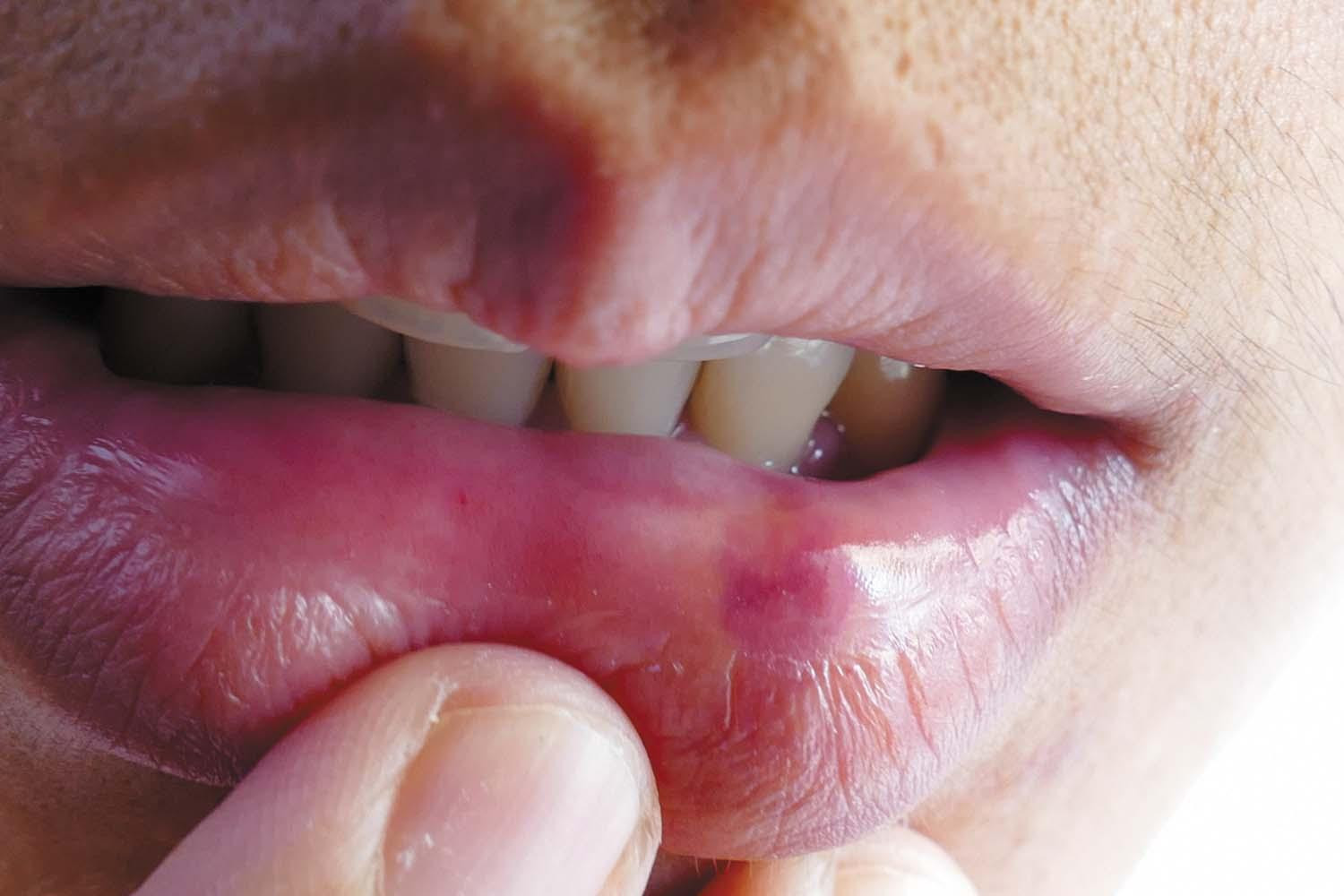
Burning mouth syndrome: The scorching reality
Burning mouth syndrome affects about 2% of people, with women up to seven times more likely than men to be diagnosed. Symptoms include burning sensations in the lips, mouth, or throat as well as stabbing pain, tingling, a sour or metallic taste, or the sense that something is crawling inside the mouth. Women's hormone dips during perimenopause and beyond may play a role in the condition, and stress and anxiety are also considered risk factors. To confirm the diagnosis, doctors must first rule out other potential causes of symptoms.
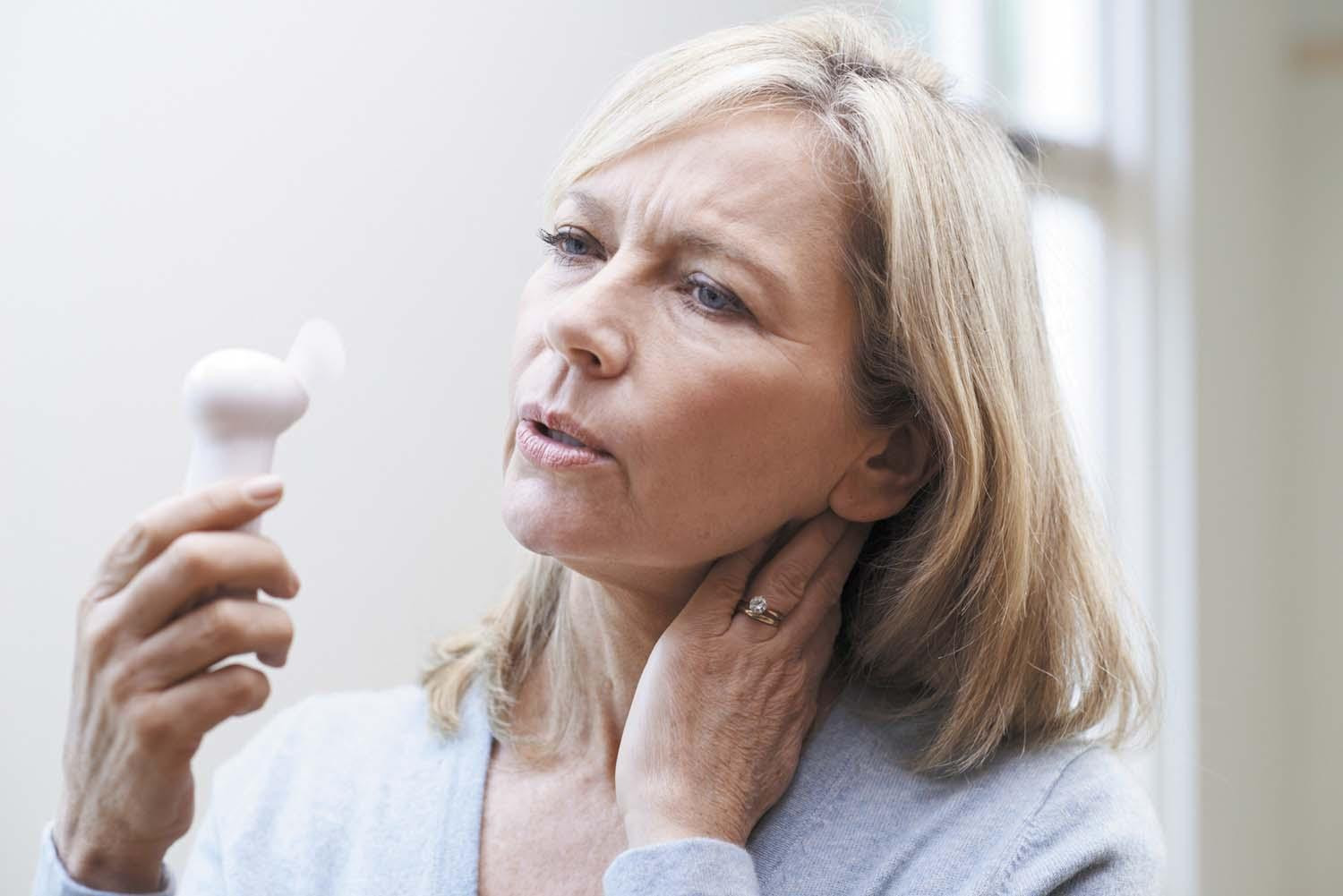
Are hot flashes a warning sign?
Menopausal hot flashes and night sweats, called vasomotor symptoms, are linked in research to higher odds of dementia and cardiovascular disease. But studies don't necessarily account for other health and lifestyle factors that influence brain and heart health. Women who are physically active and have a lower body mass index are less likely to become cognitively impaired. Disrupted sleep, which is common for women with vasomotor symptoms, may also contribute to cardiovascular and cognitive problems.

Is it really GERD?
In gastroesophageal reflux disease (GERD), stomach acid washes backward into the esophagus. This can cause symptoms such as heartburn, an acidic or metallic taste in the mouth, hoarse voice, chest pain, dry cough, post-nasal drip, or trouble swallowing. Symptoms can overlap with those of several other conditions. These include hiatal hernia, functional dyspepsia, eosinophilic esophagitis, esophageal spasms, or heart attack. Distinguishing GERD from other conditions may involve various tests, including an endoscopy to view the esophagus lining.
Hip bursitis vs. arthritis: How to tell the difference
Fitness for longevity: Which type matters most?
Ministrokes linked to elevated risk of dementia
Continuous glucose monitors benefit people who don't need insulin
CoQ10: Should you take this popular supplement if you're on a statin?
Microplastics: A hidden health threat?
Oat vs. dairy milk: Nutrition, benefits, and downsides
What is tempeh? Benefits, nutrition, and how to use it
Healing after food poisoning
Whole grains may improve several heart risk factors at once
Free Healthbeat Signup
Get the latest in health news delivered to your inbox!
Sign Up
