
Is it aging, or something more?
Consensus grows for widening use of menopausal hormone therapy

Early medically induced menopause may increase cardiovascular risks

Do you need a DEXA scan earlier than you thought?

Best walking shoes: Which ones are right for older adults?

Acetaminophen vs. ibuprofen: Which should you take?

Hip bursitis vs. arthritis: How to tell the difference

Fitness for longevity: Which type matters most?

Ministrokes linked to elevated risk of dementia

Continuous glucose monitors benefit people who don't need insulin
Vaginal dryness and atrophy Archive
Articles
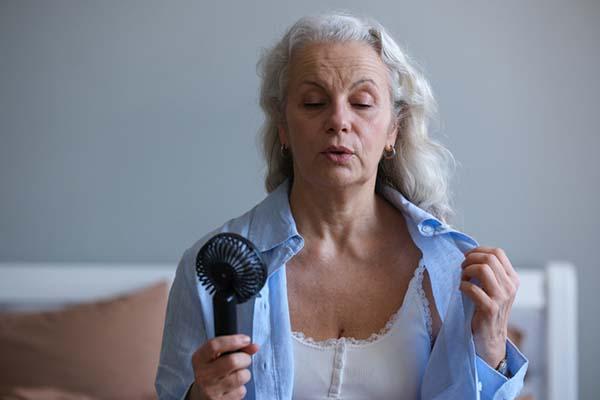
Does having children affect menopause symptoms?
Menopause symptoms vary, and their timing and intensity can raise questions. Explore factors that may shape the transition and habits to consider.
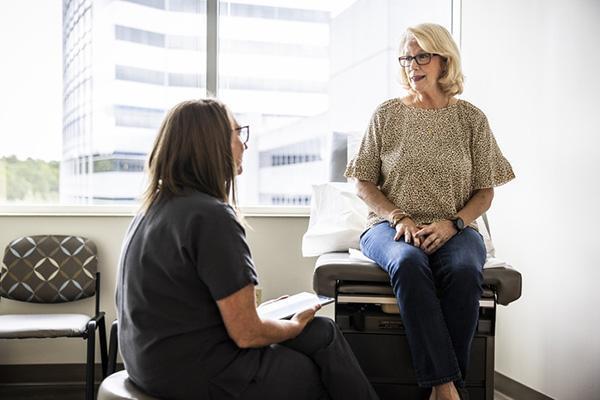
Will fibroid bleeding ease after menopause?
Fibroids can change as hormone levels shift, but bleeding patterns and new symptoms after menopause still deserve careful medical attention.
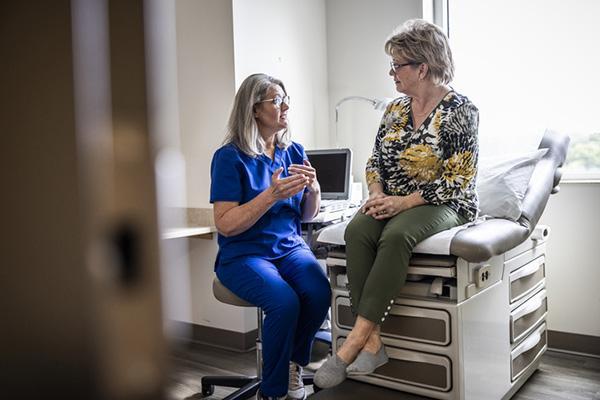
Can estrogen cream help with vaginal atrophy?
Vaginal dryness and discomfort can affect intimacy and daily life. See which options may ease symptoms linked to changing estrogen levels.
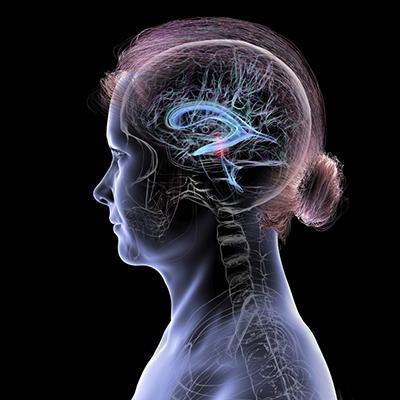
From periods to menopause: How estrogen levels throughout life affect women's brain health
Women’s reproductive history, including first period, pregnancy, and menopause, influences their lifetime exposure to estrogen, which appears to shape brain aging and dementia risk. Menopause is believed to be the strongest reproductive factor, with later menopause tied to lower dementia risk.
HPV testing at home: A new option for women
In January 2026, the U.S. Department of Health and Human Services issued cervical cancer screening guidelines that, for the first time, include an option for women to perform an at-home human papillomavirus (HPV) test. HPV causes about 95% of cervical cancers.
Should you have a hysterectomy?
Each year, about 600,000 American women undergo hysterectomy—surgery to remove the uterus and sometimes other reproductive organs as well—most often to alleviate symptoms rather than to save lives. Women opt for hysterectomy for conditions such as excessive uterine bleeding, pelvic pain, and fibroids.

Estrogen-only hormone therapy tied to lower dementia risk
A 2026 study suggested that menopausal women who used estrogen-only hormone therapy were less likely than women who didn’t use hormone therapy to develop Alzheimer’s-related brain changes or be diagnosed with dementia.

When do I need to stop using hormone therapy?
While starting hormone therapy to curb menopause symptoms is considered safest before age 60 and within 10 years of menopause, there’s no defined age at which women need to stop using it. Various factors should be considered when deciding whether to continue, including age, overall health, and medical history.
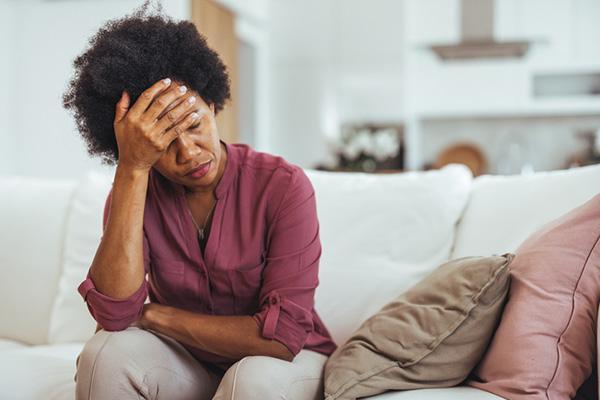
How does stress affect your period?
Stress can disrupt the menstrual cycle, but it isn’t the only possible cause of a late period. Find out what to consider before assuming why.
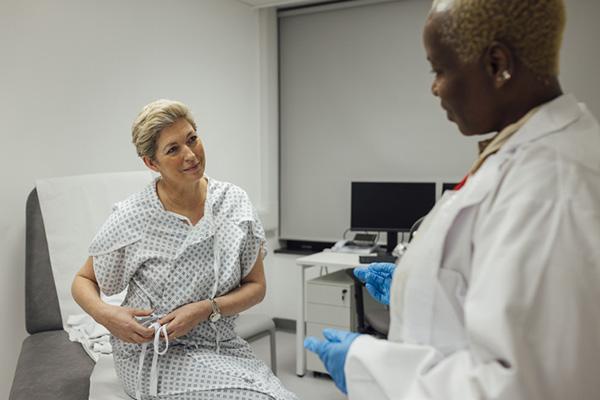
Can uterine fibroids change over time?
Fibroids may change over time, even when they cause no symptoms. Find out what doctors know about their growth, symptoms and long-term outlook.
Is it aging, or something more?
Consensus grows for widening use of menopausal hormone therapy
Early medically induced menopause may increase cardiovascular risks
Do you need a DEXA scan earlier than you thought?
Best walking shoes: Which ones are right for older adults?
Acetaminophen vs. ibuprofen: Which should you take?
Hip bursitis vs. arthritis: How to tell the difference
Fitness for longevity: Which type matters most?
Ministrokes linked to elevated risk of dementia
Continuous glucose monitors benefit people who don't need insulin
Free Healthbeat Signup
Get the latest in health news delivered to your inbox!
Sign Up