

Hip bursitis vs. arthritis: How to tell the difference

Fitness for longevity: Which type matters most?

Ministrokes linked to elevated risk of dementia

Continuous glucose monitors benefit people who don't need insulin

CoQ10: Should you take this popular supplement if you're on a statin?

Microplastics: A hidden health threat?

Oat vs. dairy milk: Nutrition, benefits, and downsides

What is tempeh? Benefits, nutrition, and how to use it

Healing after food poisoning

Whole grains may improve several heart risk factors at once
Vitamins, minerals & supplements Archive
Articles
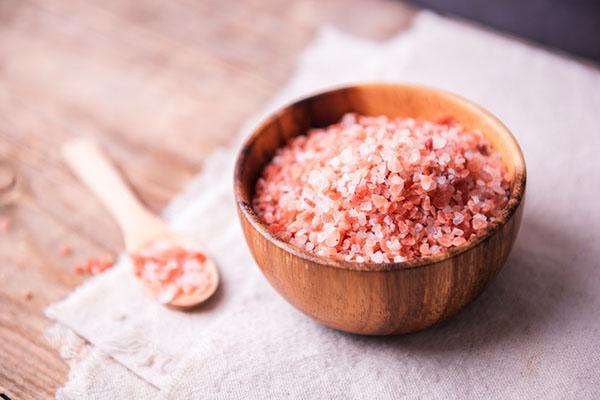
The salts of the earth
Culinary salts such as Himalayan pink salt, kosher salt, fleur de sel, and flaky sea salt can lend a delightful crunch or flavor to foods. However, they consist largely of sodium chloride, just like table salt, and are no healthier. Consuming too much sodium is tied to increased risks for damage to the heart, kidneys, and brain. Dietitians advise using only a small pinch of a fancy salt, perhaps as a garnish or condiment, to satisfy taste buds without going overboard with the salt shaker.
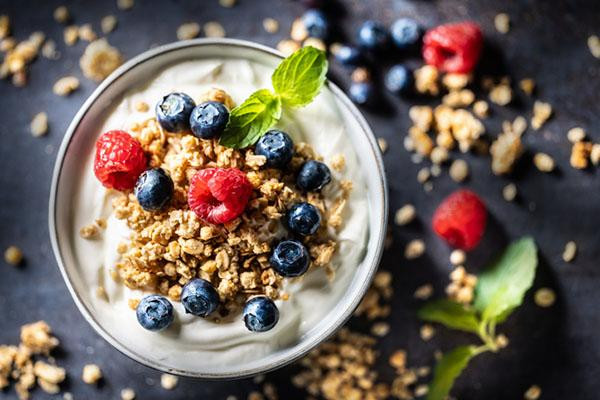
Skipping breakfast may increase risk for metabolic syndrome
In a 2025 study, skipping breakfast was associated with a 10% increased risk for metabolic syndrome, a disorder defined by having three or more of the following: abdominal obesity, high blood pressure, high blood sugar, high triglycerides, and low HDL cholesterol.

4 types of medication that may increase your chance of falling
Four classes of drugs commonly prescribed to older adults-opioids, benzodiazepines, gabapentinoids, and antidepressants-may be driving the dramatic rise in deadly falls over the past three decades. Known as fall risk-increasing drugs (FRIDs), these drug classes affect brain function and can make people feel sleepy, dizzy, or confused-all of which can leave them vulnerable to falling. People currently taking these drugs shouldn't stop taking them abruptly, as doing so may cause withdrawal symptoms. People should ask their primary care clinician to review all their medications at least once a year.

Can you take a break from healthy eating?
While a healthy eating plan is crucial for health, bending the rules on occasion probably won't hurt most people. One strategy to try is the 90-10 rule-eating healthy foods 90% of the time and splurging on unhealthy foods 10% of the time. For example, if someone eats three meals a day for a week, for a total of 21 meals, the person would be able to splurge on 10% (about two) of the meals. Dietitians warn that applying the 90-10 rule to every meal can lead to trouble, such as weight gain.
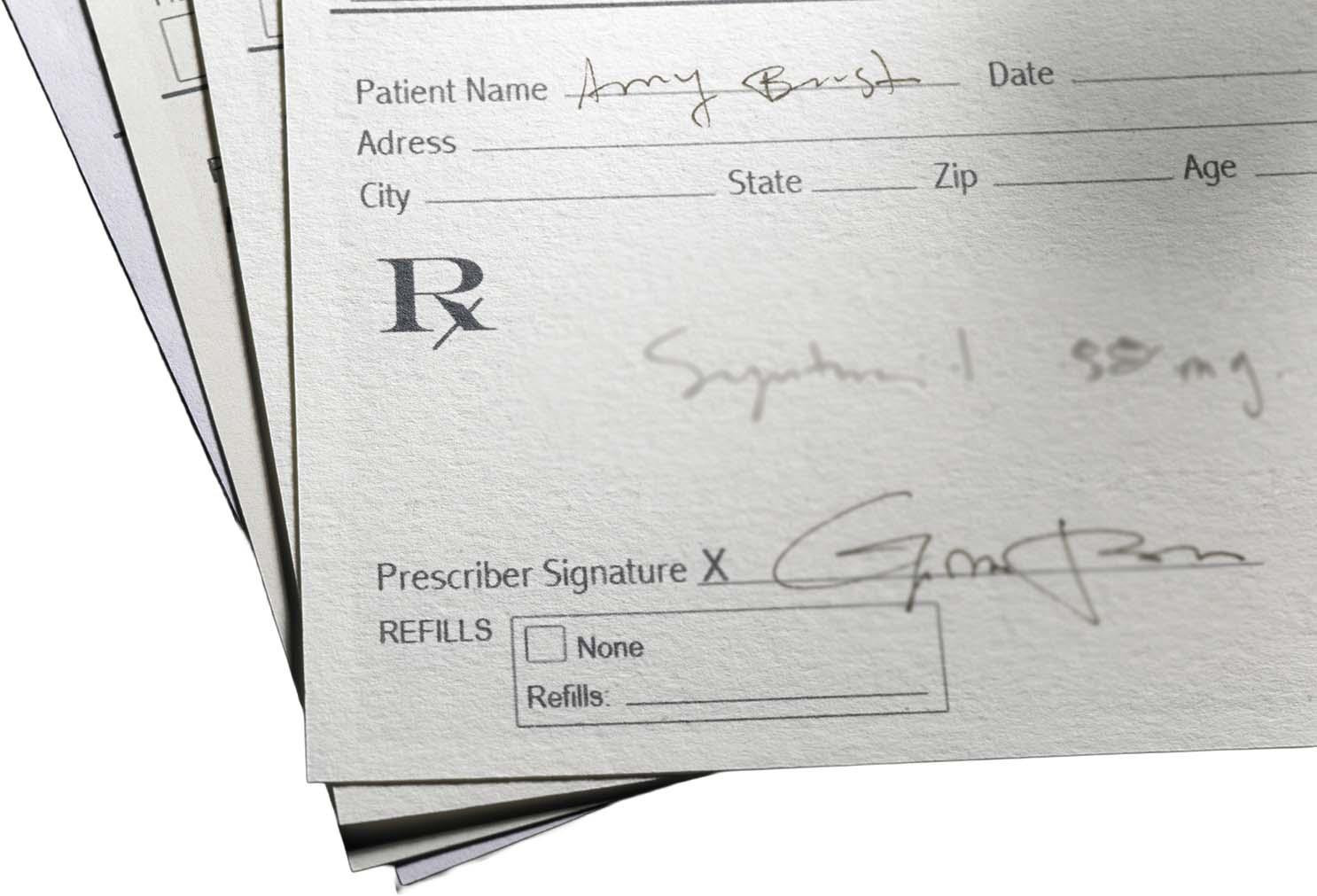
Urgent care clinics linked to unnecessary prescriptions
A 2025 study suggests that urgent care clinics frequently prescribe prescription medications inappropriately for conditions such as ear infections, bronchitis, sprains or strains, or digestive discomfort.

The complicated risks of simple cold remedies
Over-the-counter cold remedies can be helpful, but they must be carefully considered before use. They contain drugs that can cause serious side effects, interact with other medications, and worsen certain health conditions. For example, decongestants can help ease a stuffy nose but also can increase blood pressure and heart rate. And cough suppressants can help someone stop coughing, but taking too much can cause dizziness, confusion, or even changes in mood or thinking.

Can nicotine patches promote weight loss?
No evidence suggests that nicotine patches promote weight loss. Nicotine suppresses appetite but also raises health risks such as high blood pressure and narrowed arteries. People can talk to a doctor about medically supervised weight loss.
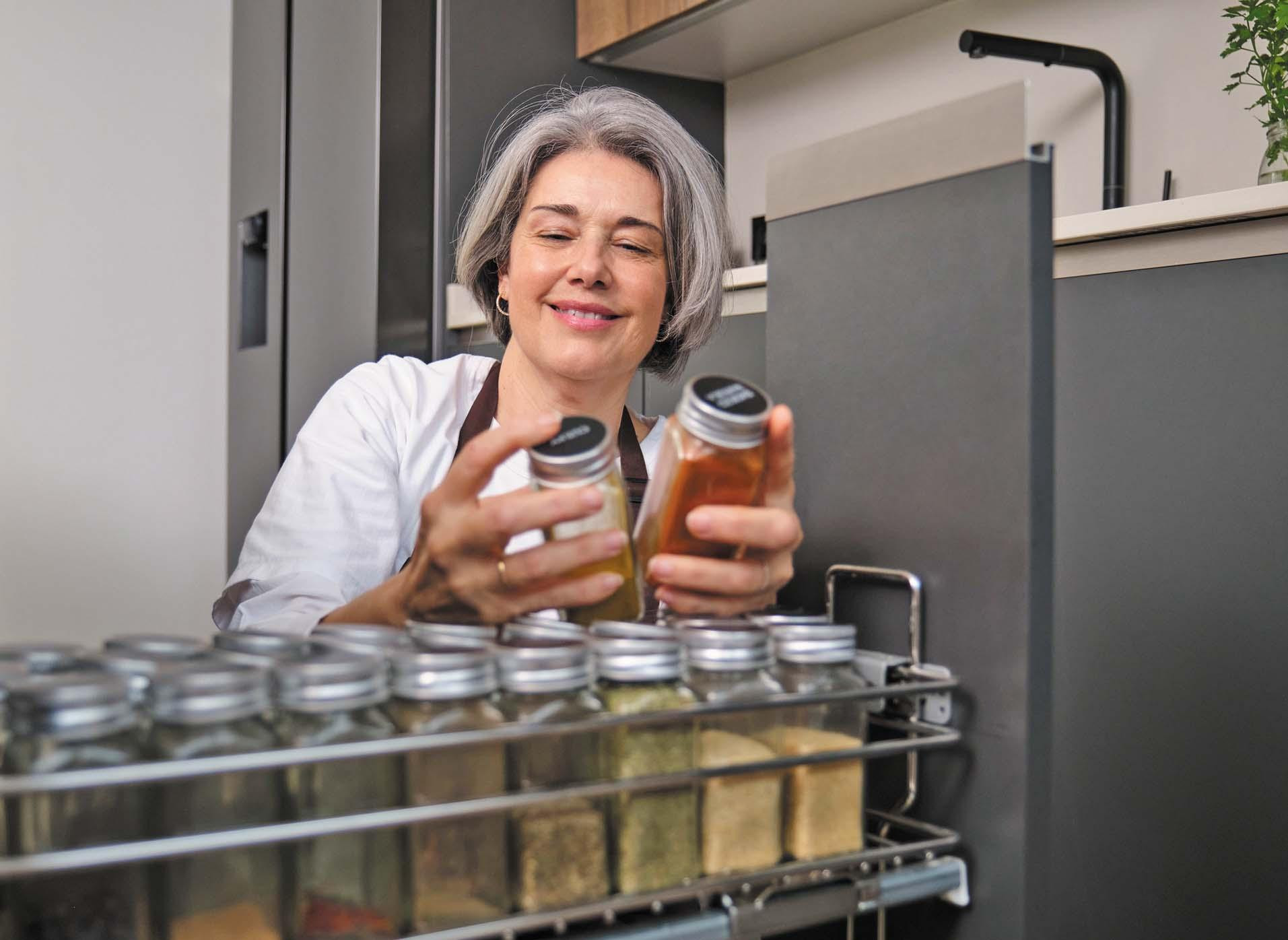
Spice up your holidays
Many spices inhibit damaging inflammation that can cause or worsen a variety of chronic diseases. Four beloved holiday spices-cinnamon, cloves, ginger, and turmeric-boast a variety of health benefits, but need to be used liberally to maximize the effects. People can challenge their palates to use more spices all year long by trying new recipes, testing spices in restaurant or ready-made meals, and bringing spice-laden dishes their ancestors once enjoyed to their own tables.

Ultra-processed foods linked to poor health outcomes
A 2025 study suggests that eating higher amounts of ultra-processed foods such as chips, frozen pizza, cereal, and other prepackaged items high in unhealthy fats, sugar, and sodium is linked to a host of health problems.

Try this: Light therapy
Light therapy uses light boxes that emit a bright, white light. Exposure to this light can control a person's circadian rhythm-the body's internal 24-hour sleep-wake clock-and help manage and prevent seasonal affective disorder.
Hip bursitis vs. arthritis: How to tell the difference
Fitness for longevity: Which type matters most?
Ministrokes linked to elevated risk of dementia
Continuous glucose monitors benefit people who don't need insulin
CoQ10: Should you take this popular supplement if you're on a statin?
Microplastics: A hidden health threat?
Oat vs. dairy milk: Nutrition, benefits, and downsides
What is tempeh? Benefits, nutrition, and how to use it
Healing after food poisoning
Whole grains may improve several heart risk factors at once
Free Healthbeat Signup
Get the latest in health news delivered to your inbox!
Sign Up
