

Hip bursitis vs. arthritis: How to tell the difference

Fitness for longevity: Which type matters most?

Ministrokes linked to elevated risk of dementia

Continuous glucose monitors benefit people who don't need insulin

CoQ10: Should you take this popular supplement if you're on a statin?

Microplastics: A hidden health threat?

Oat vs. dairy milk: Nutrition, benefits, and downsides

What is tempeh? Benefits, nutrition, and how to use it

Healing after food poisoning

Whole grains may improve several heart risk factors at once
Vitamins, minerals & supplements Archive
Articles
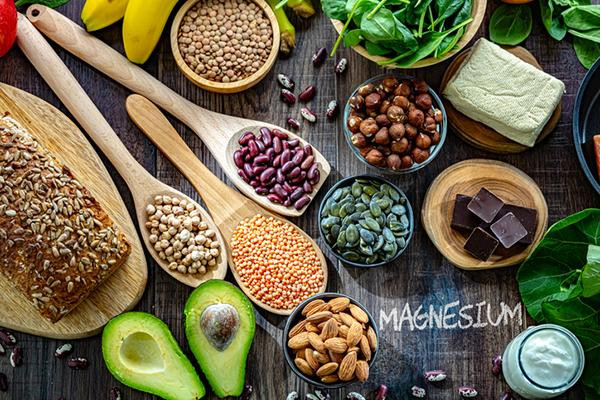
Should you take a magnesium supplement to lower your blood pressure?
Taking magnesium supplements has become popular in recent years, and some evidence suggests this practice may help lower blood pressure, especially for those with high blood pressure or low magnesium levels. But a healthy diet is a better way for people to ensure they're getting enough of this essential nutrient.
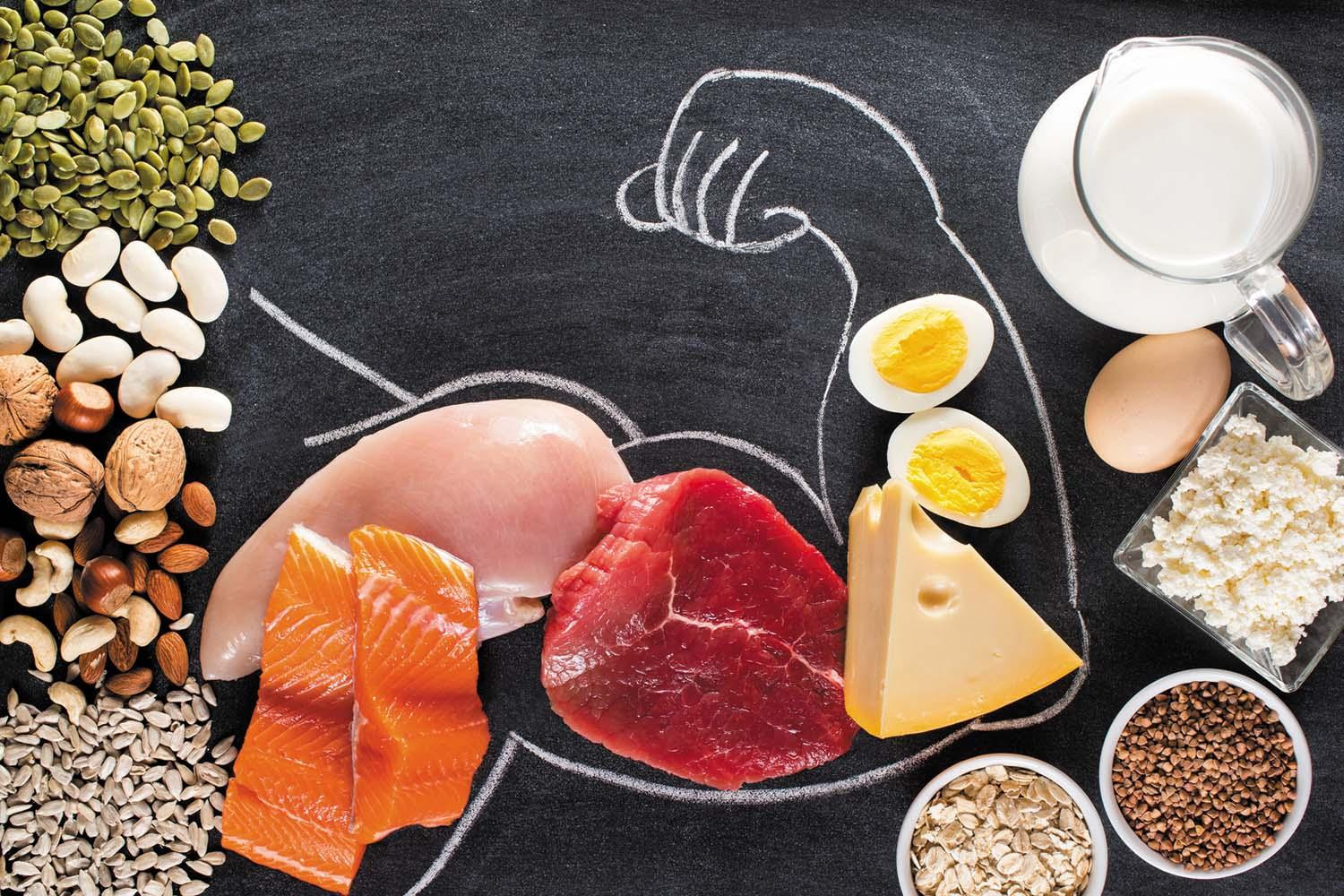
Maximize your muscle defense: Protein is key to protection
Muscle loss is common after middle age. To counter muscle loss, it's essential to strength train regularly and consume lots of protein. Whole foods are the best sources of protein, but protein supplements might also be used.
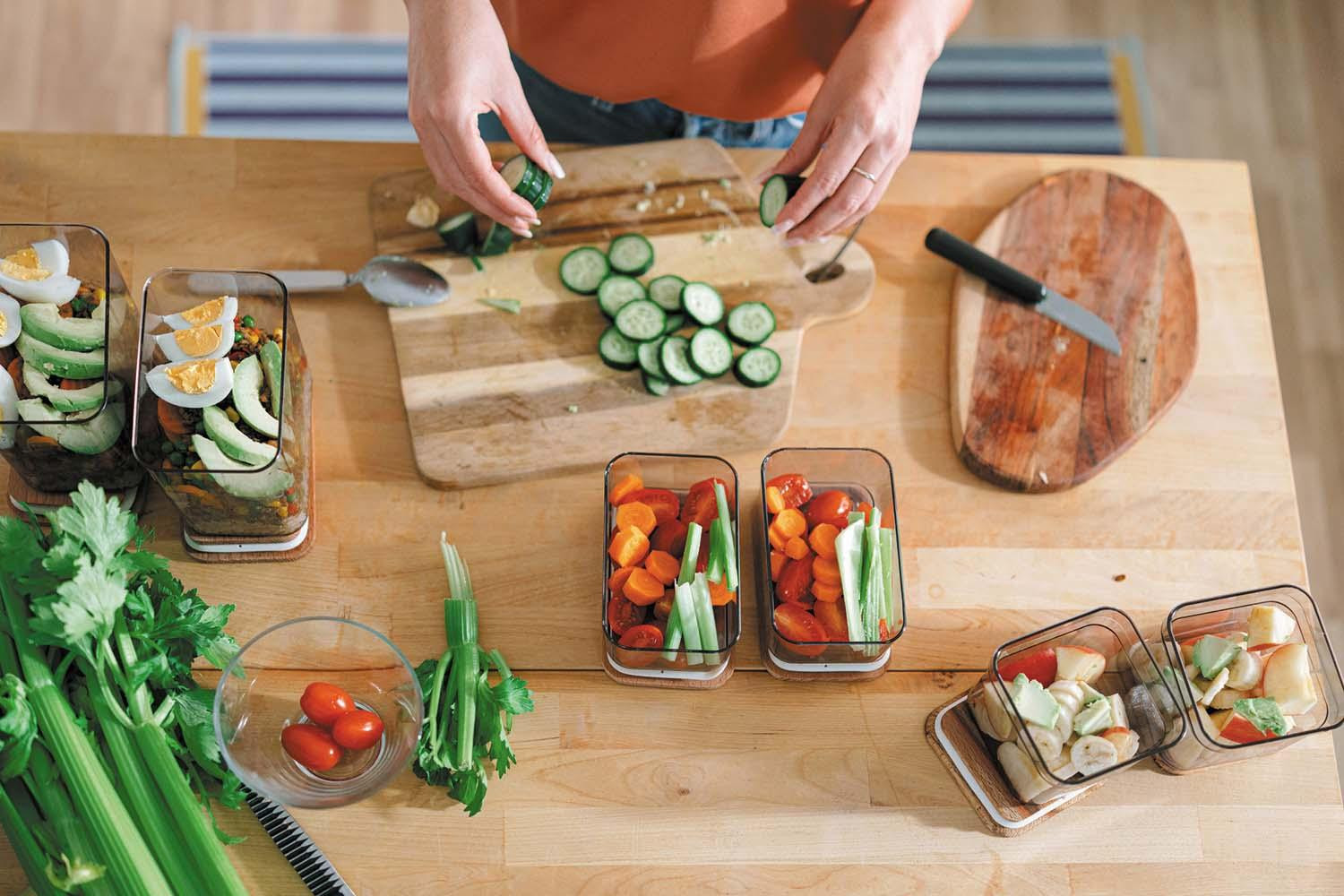
Easy, healthy low-carb snacks for any time of day
Experts define a low-carb snack as one with 5 grams of carbohydrates or less per serving. The Academy of Nutrition and Dietetics recommends snacks that are fresh, balanced, and packed with nutrients like protein and fiber.
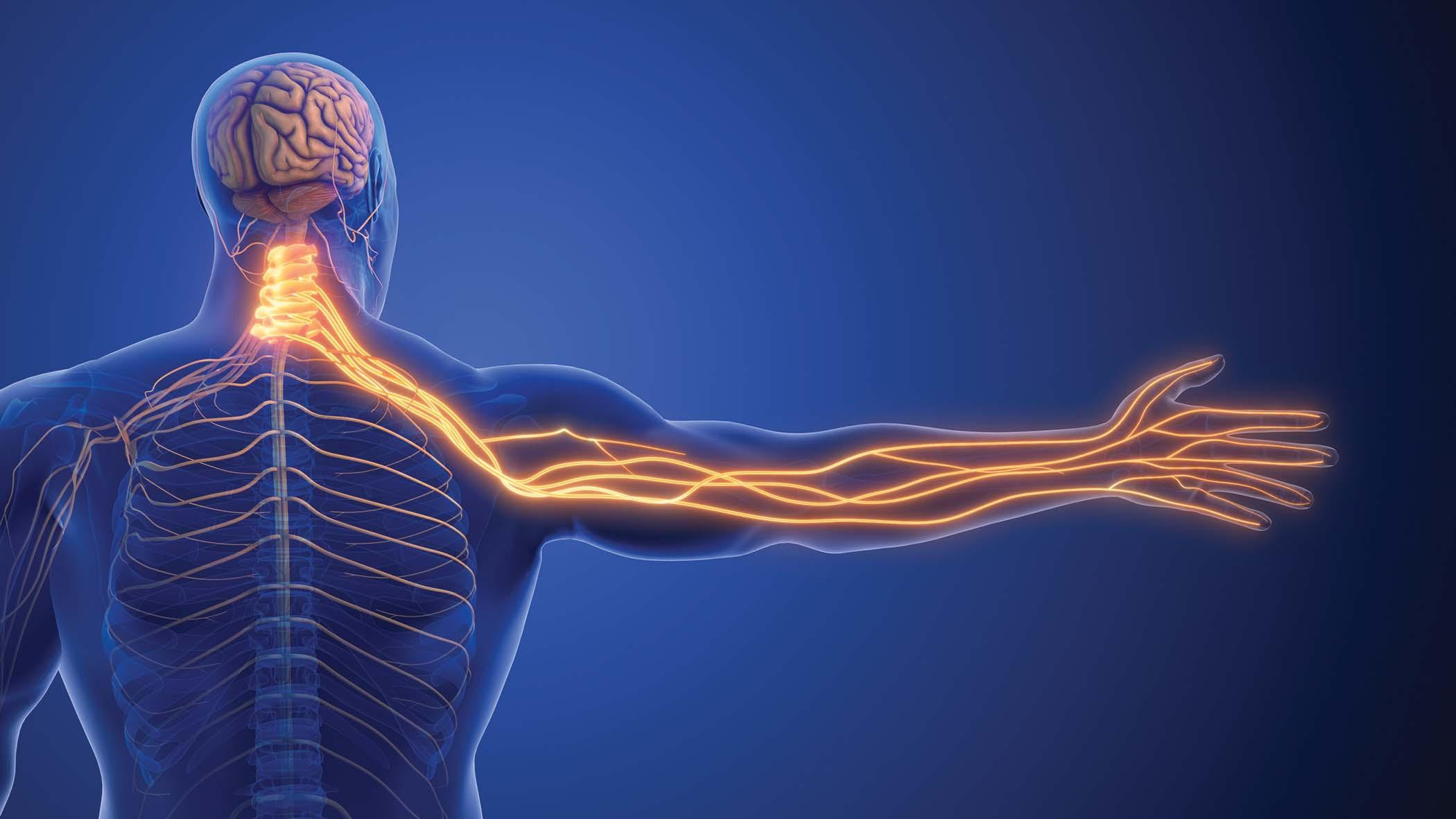
Punch back against pinched nerves
A pinched nerve occurs when something compresses or irritates a nerve. This can cause pain, tingling, or weakness in areas like the neck, back, or wrist. Rest and home remedies can help, but physical therapy and medication are sometimes needed.
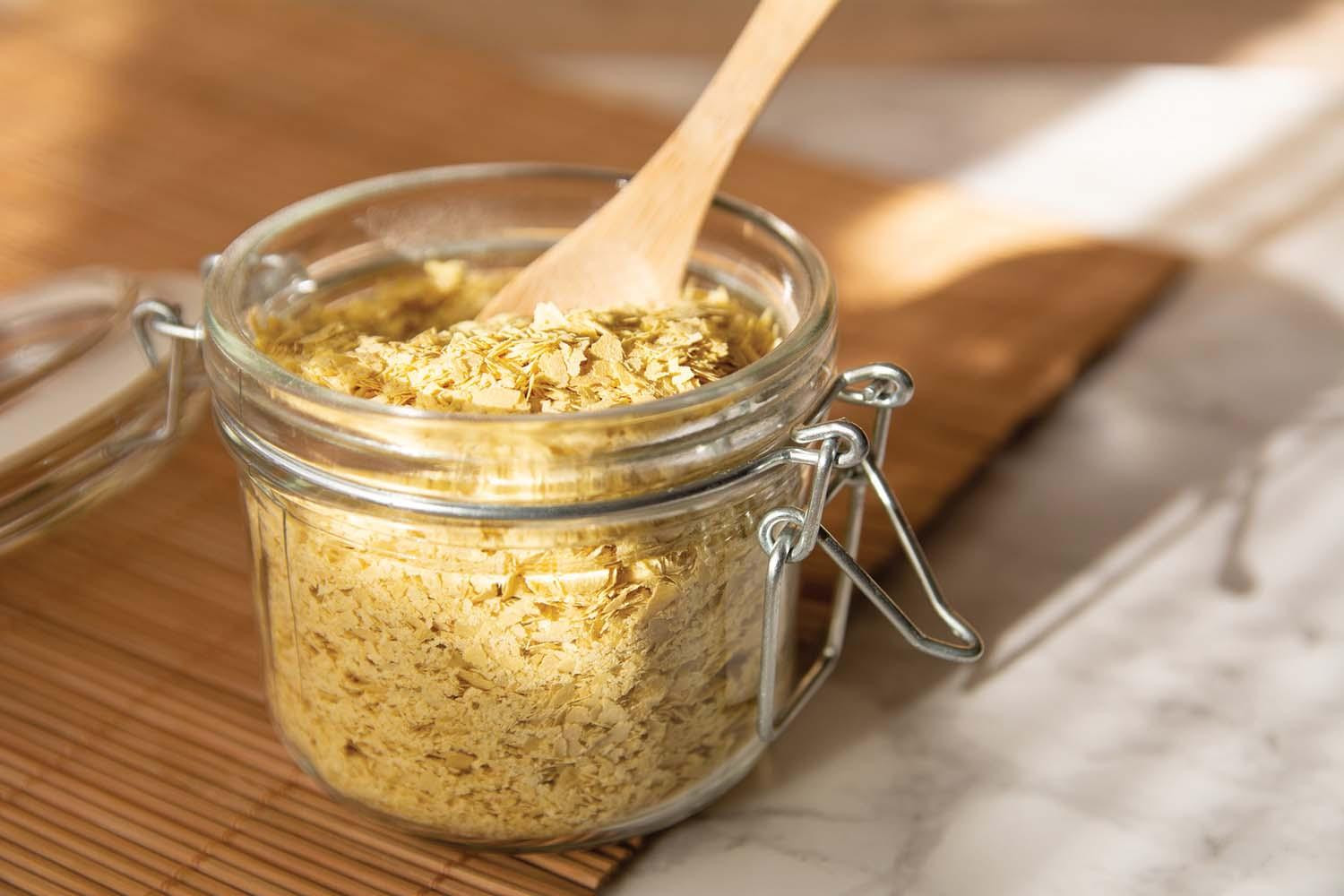
Caution: Sprinkle this savory seasoning with care
Nutritional yeast is a savory condiment that's often heavily fortified with vitamins. Because high doses may cause side effects, interact with some medications, or cause certain health problems, it's best used sparingly as a flavoring, not as a supplement.

New thinking on beta blocker use
Beta blockers have long been standard treatment for people after a heart attack. New evidence suggests they may not help those whose hearts still pump normally, though the drugs remain important for heart attack survivors with reduced ejection fraction.
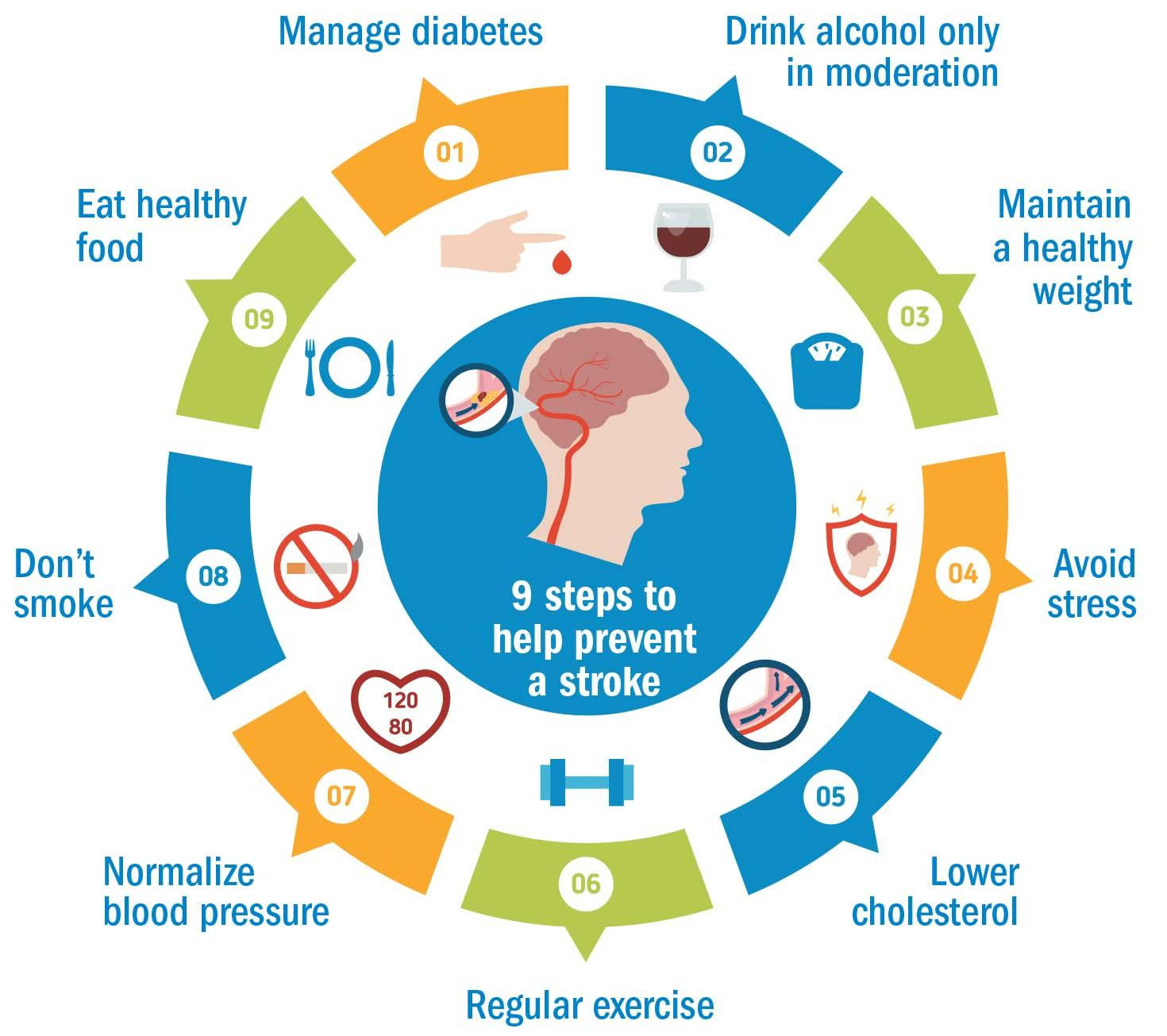
Reducing your stroke risk after a ministroke
A transient ischemic attack (TIA), or ministroke, is a serious warning sign for future stroke, especially in the first 48 hours. Medications plus lifestyle changes-healthy eating, regular exercise, and blood pressure control-can significantly lower that risk.

What to know about heart palpitations
Heart palpitations are sensations of a pounding or racing heartbeat, often triggered by stress, stimulants, or hormonal changes. They're usually harmless but should be checked by a doctor. Palpitations may improve with lifestyle changes or treatment for underlying conditions.

Can men hold off on treating recurring prostate cancer?
What happens if PSA levels start rising after surgery or radiation for prostate cancer? Sometimes men live the rest of their lives with a rising PSA without ever developing metastases. Now, an ultra-sensitive scanning technology is raising new questions about biochemical recurrence and how to manage it.
Hip bursitis vs. arthritis: How to tell the difference
Fitness for longevity: Which type matters most?
Ministrokes linked to elevated risk of dementia
Continuous glucose monitors benefit people who don't need insulin
CoQ10: Should you take this popular supplement if you're on a statin?
Microplastics: A hidden health threat?
Oat vs. dairy milk: Nutrition, benefits, and downsides
What is tempeh? Benefits, nutrition, and how to use it
Healing after food poisoning
Whole grains may improve several heart risk factors at once
Free Healthbeat Signup
Get the latest in health news delivered to your inbox!
Sign Up
