

Hip bursitis vs. arthritis: How to tell the difference

Fitness for longevity: Which type matters most?

Ministrokes linked to elevated risk of dementia

Continuous glucose monitors benefit people who don't need insulin

CoQ10: Should you take this popular supplement if you're on a statin?

Microplastics: A hidden health threat?

Oat vs. dairy milk: Nutrition, benefits, and downsides

What is tempeh? Benefits, nutrition, and how to use it

Healing after food poisoning

Whole grains may improve several heart risk factors at once
Vitamins, minerals & supplements Archive
Articles
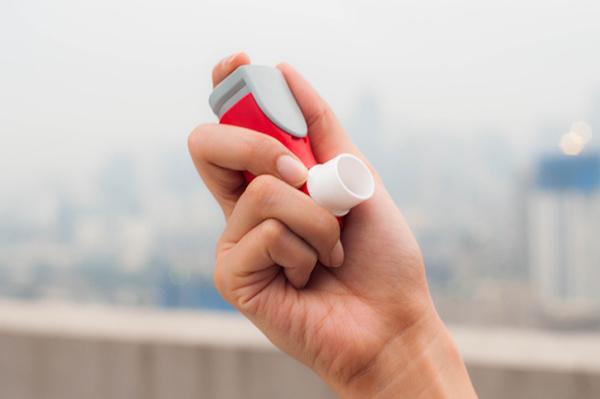
Can steroid asthma inhalers increase blood sugar?
Inhaled corticosteroids mostly act in the lungs, but some enter the bloodstream. Learn when they might nudge glucose higher and how doctors adjust care.
Can I replace potassium pills with potassium-rich food if I am taking a diuretic?
Diuretics can drain your body of potassium, but pills aren't the only source. Learn whether food swaps are safe and why lab monitoring still matters.

How much protein does an athlete need?
Protein supplements promise muscle gains. But your kidneys must handle what your body can't use. Learn how to estimate daily needs and weigh supplement choices.
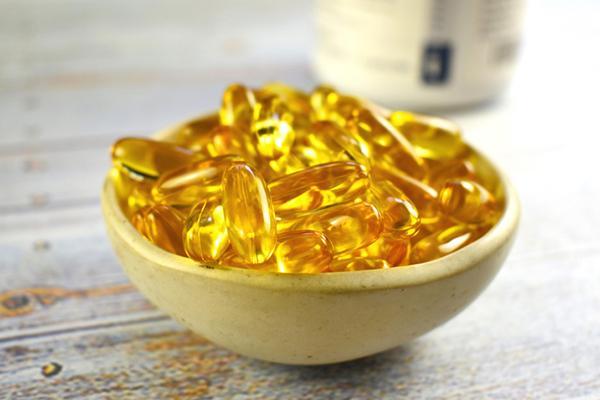
Is a high-dose vitamin D regimen safe?
Very low vitamin D levels may prompt your doctor to prescribe a short regimen of high-dose vitamin D pills before switching to a lower daily dose. See how this approach boosts stores safely.

Is it healthier to graze throughout the day or eat three meals?
Meal timing matters less than calorie balance and food quality. For some conditions, though, smaller, more frequent portions may offer advantages.
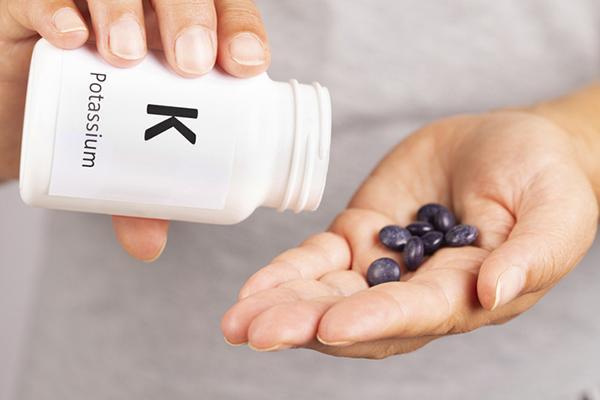
Do I need to take a potassium supplement if I am on a diuretic?
Certain diuretics flush out both water and potassium, but not everyone needs extra. Your doctor will consider blood test results and which other medications you're taking to determine the safest approach.

Can you safely taper off a proton pump inhibitor if reflux symptoms improve?
Proton pump inhibitors can calm severe reflux and heal the esophagus, but long-term use raises questions about when and how to cut back safely.
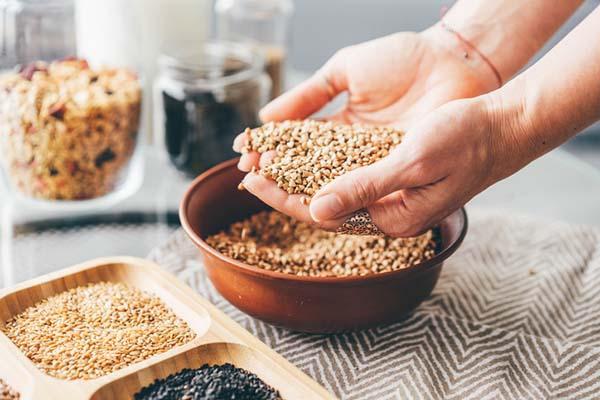
Are whole grains that important?
Learn how whole grains support a healthy diet and what you should look for when selecting them.
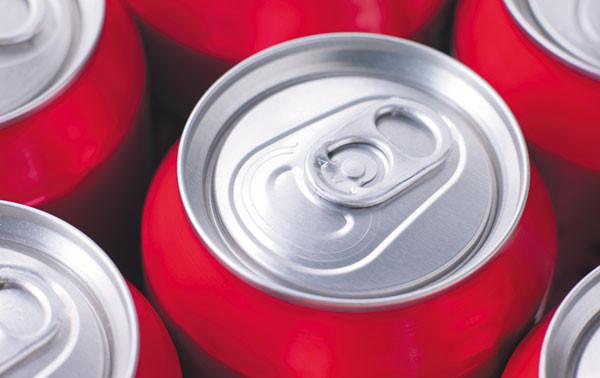
Understanding empty calories
Empty calories are calories from foods that give the body energy but almost no helpful nutrients. Sugary drinks and pastries are common examples. They can quickly add lots of calories to someone's diet and make weight gain more likely.

Understanding food noise — and how to turn down the volume
Food noise - persistent, distressing thoughts about food - can interfere with your daily life, but there's a lot you can do to manage it. Strategies include eating regular balanced meals, practicing mindful eating, managing stress and sleep, and seeking professional help if needed.
Hip bursitis vs. arthritis: How to tell the difference
Fitness for longevity: Which type matters most?
Ministrokes linked to elevated risk of dementia
Continuous glucose monitors benefit people who don't need insulin
CoQ10: Should you take this popular supplement if you're on a statin?
Microplastics: A hidden health threat?
Oat vs. dairy milk: Nutrition, benefits, and downsides
What is tempeh? Benefits, nutrition, and how to use it
Healing after food poisoning
Whole grains may improve several heart risk factors at once
Free Healthbeat Signup
Get the latest in health news delivered to your inbox!
Sign Up
