

Hip bursitis vs. arthritis: How to tell the difference

Fitness for longevity: Which type matters most?

Ministrokes linked to elevated risk of dementia

Continuous glucose monitors benefit people who don't need insulin

CoQ10: Should you take this popular supplement if you're on a statin?

Microplastics: A hidden health threat?

Oat vs. dairy milk: Nutrition, benefits, and downsides

What is tempeh? Benefits, nutrition, and how to use it

Healing after food poisoning

Whole grains may improve several heart risk factors at once
Vitamins, minerals & supplements Archive
Articles
GLP-1 drugs may lower odds of developing substance use disorders
A 2026 study suggests that people who take GLP-1 drugs—prescribed for diabetes and weight loss—are less likely to develop a substance use disorder. Among people who already have addiction, use of a GLP-1 was linked with fewer complications such as overdose and death.

Taking too much vitamin D can cloud its benefits and create health risks
Vitamin D supplements have been growing in popularity, but they're not always needed or taken in the correct doses.

Quick-start guide to an anti-inflammation diet
There are a number of steps to take when starting an anti-inflammation diet, such as the Mediterranean diet. The steps boil down to some dos and don’ts. For example, don’t eat processed foods such as microwaveable dinners, hot dogs, white bread, dehydrated soups, baked goods, sugary cereals, processed meats, biscuits, and sauces. But do eat a diet of whole, unprocessed foods such as fruits, vegetables, whole grains, legumes (beans, lentils), fish, poultry, nuts, seeds, a little bit of low-fat dairy, olive oil, spices, and herbs.
The hidden dangers of protein powders
Protein powder supplements can harbor health risks. They're recommended only for certain conditions, such as impaired appetite or wounds that are resistant to healing.

Time to try intermittent fasting?
Intermittent fasting-a diet that focuses on when rather than what a person eats-may be a good way to lose weight and improve cardiovascular health. One version, time-restricted feeding, involves eating only during a certain time window (usually eight hours) over a single day; another approach limits a person to just 400 to 600 calories daily for several days over the course of a week. The diet may reduce risk factors linked to heart disease, including type 2 diabetes, high blood pressure, unhealthy blood lipid levels, and inflammation.
Why can side effects continue after you stop a medication?
Side effects from a stopped medicine can linger even after the drug is cleared. Find out what determines recovery time and when to seek help.

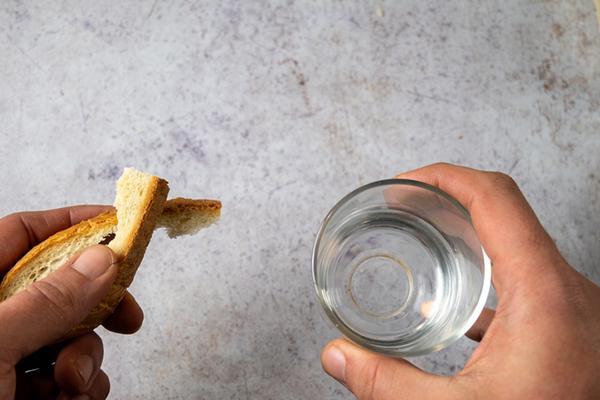
How to increase appetite
Appetite tends to decline with age, but this can lead to unwanted weight loss and frailty. Tips to boost a weak appetite include eating smaller, more frequent meals; prioritizing protein; staying active; making meals social and pleasurable; and relaxing overly strict dietary rules.

What is the "gout diet"?
A plant-forward, varied diet can help people manage gout. Other helpful steps are to lose weight if needed, stay hydrated, avoid overeating and excessive alcohol, and take medications as prescribed. Small, sustainable changes can mean fewer flares and better quality of life.
Hip bursitis vs. arthritis: How to tell the difference
Fitness for longevity: Which type matters most?
Ministrokes linked to elevated risk of dementia
Continuous glucose monitors benefit people who don't need insulin
CoQ10: Should you take this popular supplement if you're on a statin?
Microplastics: A hidden health threat?
Oat vs. dairy milk: Nutrition, benefits, and downsides
What is tempeh? Benefits, nutrition, and how to use it
Healing after food poisoning
Whole grains may improve several heart risk factors at once
Free Healthbeat Signup
Get the latest in health news delivered to your inbox!
Sign Up
