

Hip bursitis vs. arthritis: How to tell the difference

Fitness for longevity: Which type matters most?

Ministrokes linked to elevated risk of dementia

Continuous glucose monitors benefit people who don't need insulin

CoQ10: Should you take this popular supplement if you're on a statin?

Microplastics: A hidden health threat?

Oat vs. dairy milk: Nutrition, benefits, and downsides

What is tempeh? Benefits, nutrition, and how to use it

Healing after food poisoning

Whole grains may improve several heart risk factors at once
Vitamins, minerals & supplements Archive
Articles

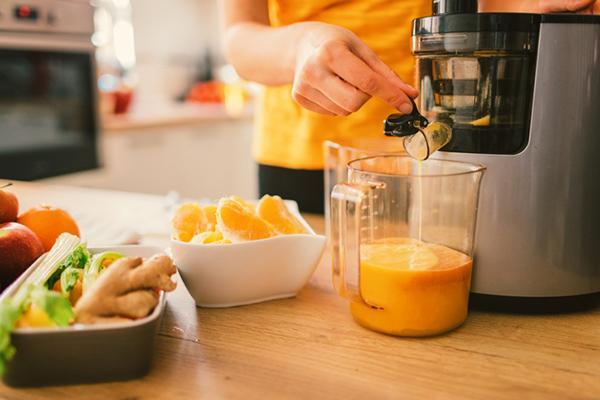
Can juicing help you get more fruits and vegetables?
Juicing can be a helpful way to meet your daily fruit and vegetable goals. While eating whole produce is ideal, a well-made juice offers key nutrients. Aim for mostly vegetables, limit fruit, and choose store-bought juices with no added sugar.

Mouth-watering summer fruits and vegetables to fill your plate
Summer is the perfect time to incorporate more fruits and vegetables into your meals. Packed with health-promoting nutrients, many can be prepared without needing to use your stove or oven. And there are lots of ways to use them besides just making salads.

Is your medication killing your sex drive?
Low libido can include both less desire for and less satisfaction with sex. A variety of medications can dampen sex drive by altering hormone levels or nerve signals, dulling sensation in the genitals, or triggering fatigue or mood changes. They include some antidepressants, cardiovascular drugs, antihistamines, antiseizure drugs, opioids, chemotherapy, hormone blockers, oral contraceptives, and fertility drugs. People whose medications affect their libido can ask their doctor to adjust the dose or timing or substitute another drug without sexual side effects.
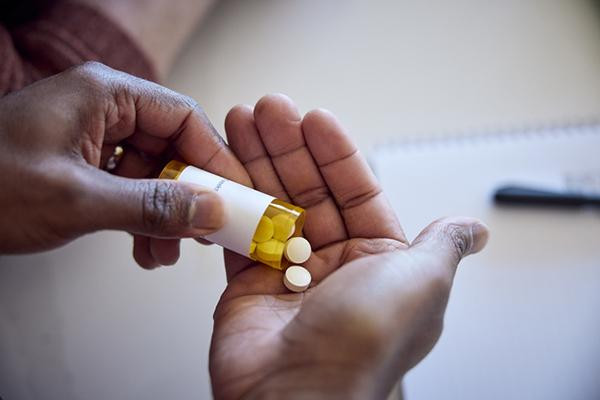
Oral side effects of common medications
Many common medications can affect oral health, causing issues like dry mouth, taste changes, gum swelling, mouth sores, or thrush. Patients should check side effects on medication labels, report persistent symptoms, review medications annually, and keep up with regular dental visits.
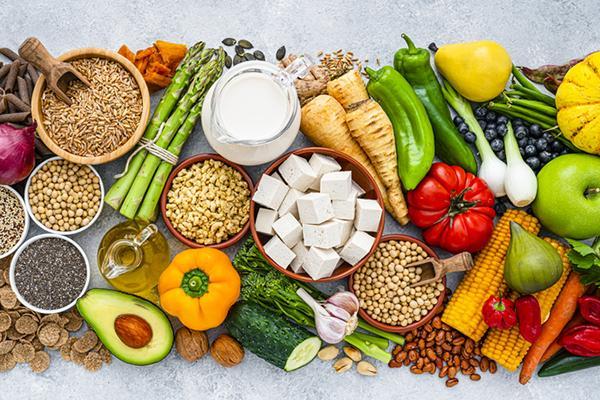
Healthier plant-based diet tied to lower risk of dementia
A 2026 study suggested that people who eat healthier plant-based diets, which prioritize whole grains, fruits, vegetables, and legumes, have a lower risk of developing dementia than people who eat a plant-based diet that includes more refined grains, fruit juices, and added sugars.
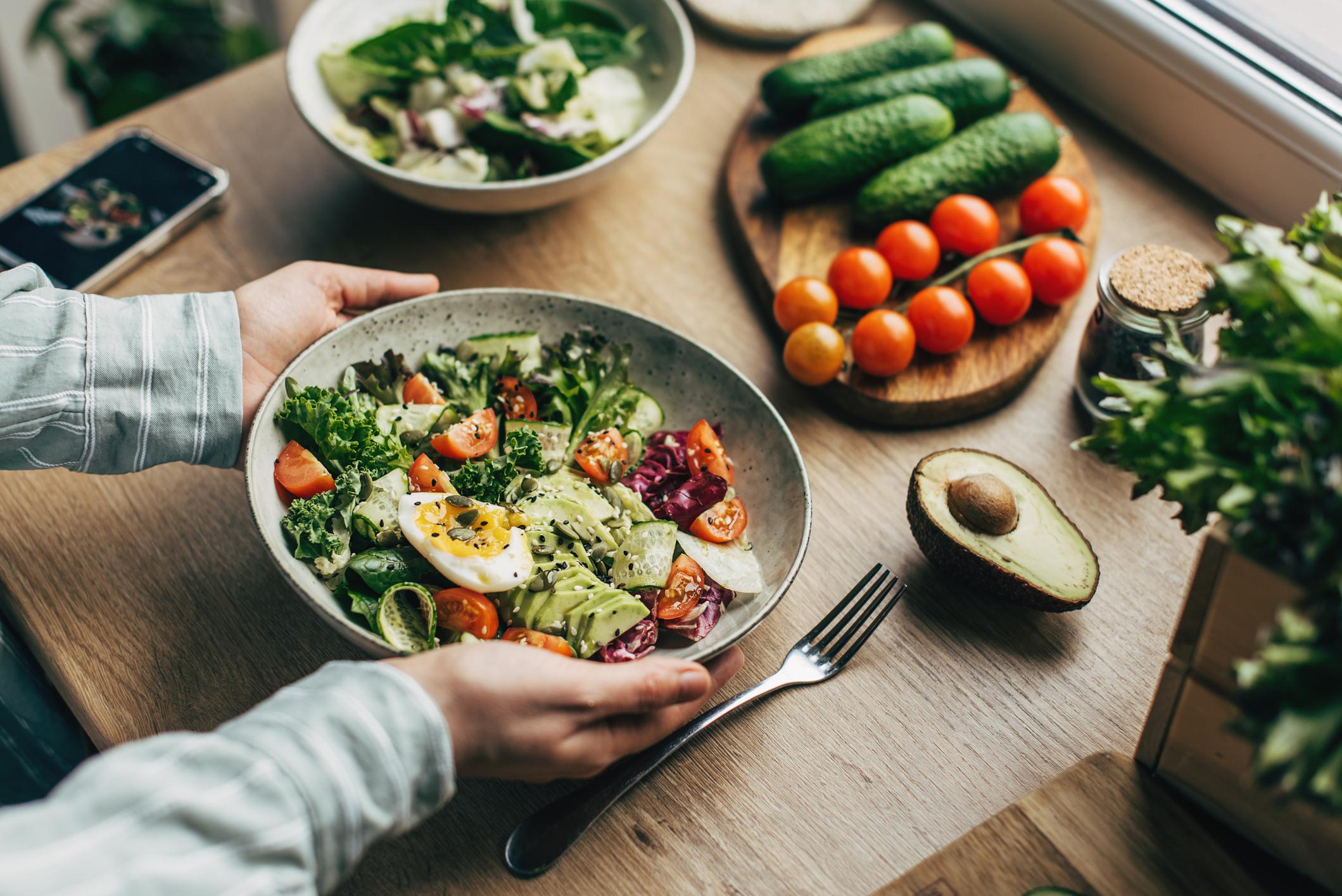
Quiz: When does food contribute to inflammation?
In this quiz, test your knowledge of which foods can nourish your body and help prevent disease, and which foods can play an inflammatory role in the body.

Is MRI contrast dye safe?
MRI contrast dye is widely used and considered safe. It helps highlight blood vessels, tumors, and other structures to improve diagnostic accuracy. Rarely, contrast dye can trigger a serious condition called nephrogenic systemic fibrosis in people with advanced kidney disease.
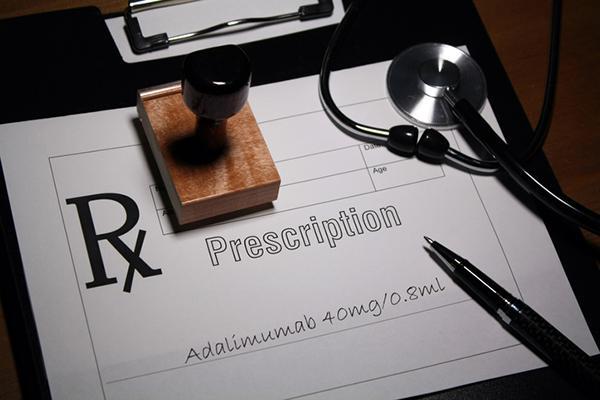
What are the long-term risks of taking the biologic treatment Humira?
Humira can control autoimmune disease, such as psoriatic arthritis. But it also alters immune defenses. Learn about infection, cancer, and other potential long‑term risks.
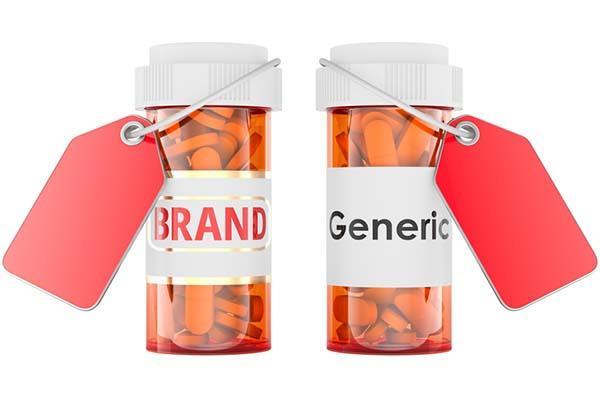
Could switching from Zoloft to generic sertraline explain weight gain?
Switching from a brand-name antidepressant to a generic can raise questions about side effect changes such as weight gain.
Hip bursitis vs. arthritis: How to tell the difference
Fitness for longevity: Which type matters most?
Ministrokes linked to elevated risk of dementia
Continuous glucose monitors benefit people who don't need insulin
CoQ10: Should you take this popular supplement if you're on a statin?
Microplastics: A hidden health threat?
Oat vs. dairy milk: Nutrition, benefits, and downsides
What is tempeh? Benefits, nutrition, and how to use it
Healing after food poisoning
Whole grains may improve several heart risk factors at once
Free Healthbeat Signup
Get the latest in health news delivered to your inbox!
Sign Up
