

Hip bursitis vs. arthritis: How to tell the difference

Fitness for longevity: Which type matters most?

Ministrokes linked to elevated risk of dementia

Continuous glucose monitors benefit people who don't need insulin

CoQ10: Should you take this popular supplement if you're on a statin?

Microplastics: A hidden health threat?

Oat vs. dairy milk: Nutrition, benefits, and downsides

What is tempeh? Benefits, nutrition, and how to use it

Healing after food poisoning

Whole grains may improve several heart risk factors at once
Vitamins, minerals & supplements Archive
Articles

New findings on statin-memory loss link
A study in JAMA Internal Medicine may help to explain the controversial connection between cholesterol-lowering medications and memory loss. Researchers scrutinized health records of more than 11 million people who saw their primary care doctors from 1987 to 2013. They compared reports of memory problems by three groups of people:
483,000 who were prescribed a statin to lower their cholesterol
26,000 who were given another type of cholesterol-lowering drug (not a statin) to lower cholesterol, such as a fibrate or niacin
483,000 who didn't take any cholesterol drug.
People who took any kind of cholesterol drug—a statin or some other type—were nearly four times more likely to report memory loss right after starting on the drug, compared with people who didn't take any kind of cholesterol drug.
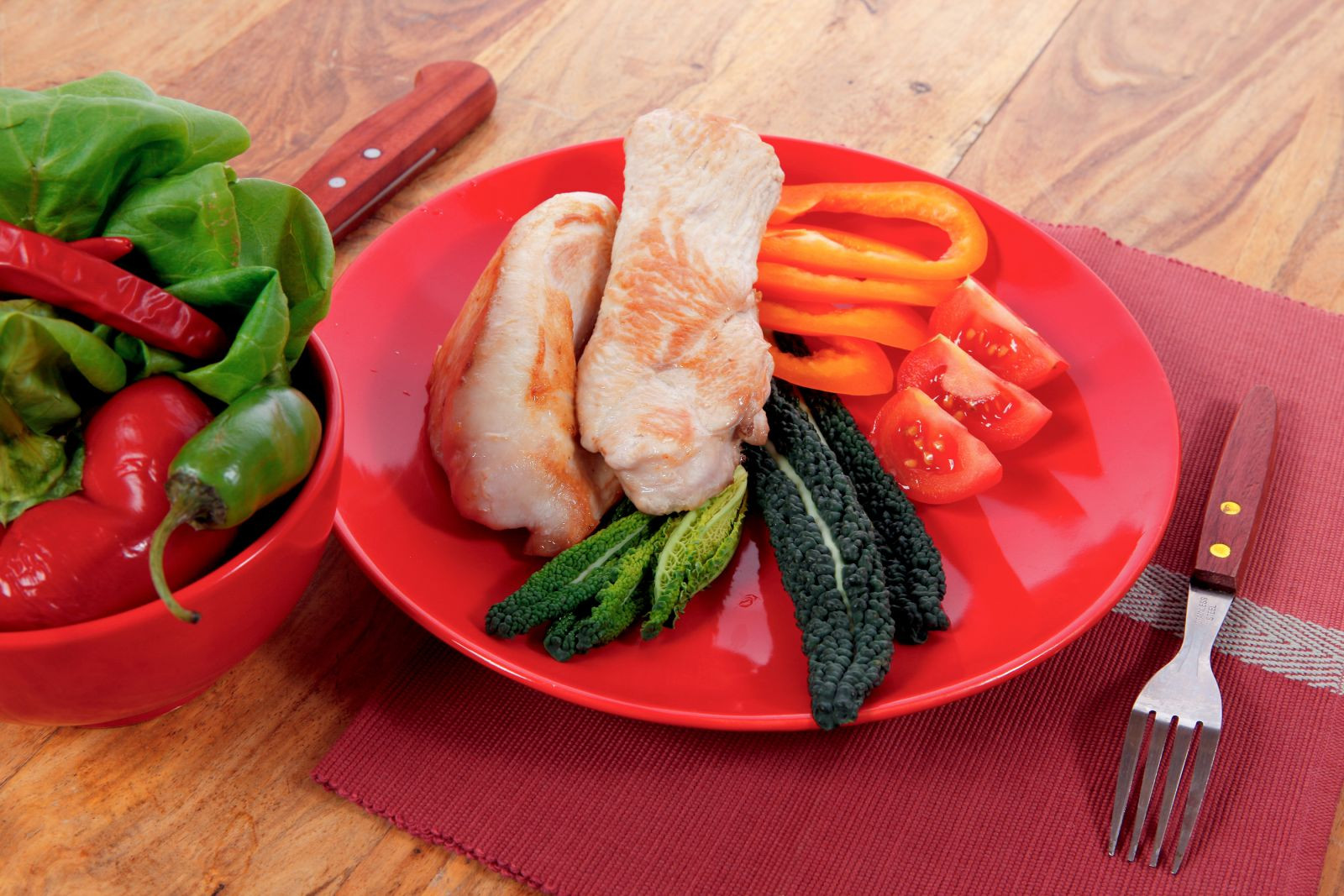
DASH or Mediterranean: Which diet is better for you?
Both eating plans have proven health benefits. Deciding which to follow depends on your goals and preferences.
The DASH diet has been named the best diet in the United States by U.S. News and World Report. However, the U.S. government panel writing the 2015 Dietary Guidelines for Americans cited the Mediterranean diet as an example of how we should eat. If you're trying to choose the best eating plan to lower your health risks, which one should it be?

Using nonprescription pain relievers safely
Alternating two types of over-the-counter drugs can relieve pain while reducing the risk of serious side effects.
If you're in a drugstore trying to decide which over-the-counter pain reliever to buy, there are scores of products from which to choose. But there really are only two basic types: nonsteroidal anti-inflammatory drugs (NSAIDs), which include aspirin, ibuprofen (Motrin, Advil), and naproxen (Aleve, Naprosyn); or acetaminophen (Tylenol). If you want to maximize pain relief and minimize side effects, you might want to stock up on both types.

Stop the carb confusion
Some carbohydrates are healthier than others, and eating too many processed carbs can harm your health.
Carbohydrates—or "carbs" for short—play a starring role in many healthy diets. For example, carb-rich whole grains, fruits, and vegetables are at the core of the heart-healthy Mediterranean and DASH diets.

Snacks: Quality vs. frequency
When it comes to snacking, is what you eat more important than how often you snack? A study published in the July 2015 Journal of the Academy of Nutrition and Dietetics tracked the snacking habits and foods of more than 200 people (average age 42). After two-and-a-half years, researchers observed that people who snacked on fruits and vegetables had, on average, a lower body mass index (BMI) than people who snacked on desserts and sweets. BMI is a measure of body fat based on a person's height and weight. Calories, frequency of snacking, and the time of day snacks were eaten didn't seem to affect BMI.
The study didn't show that the quality of snacks people ate was responsible for the lower BMI. However, researchers say the findings support the idea that wise snack choices can contribute to a healthy diet, and that snacking isn't necessarily unhealthy unless you choose empty calories such as chips, desserts, and sugar-sweetened drinks. Kathy McManus, director of the Department of Nutrition at Harvard-affiliated Brigham and Women's Hospital, underscores the importance of that approach: "Timing or frequency is not as important, as long as healthy snacks are selected." She recommends nuts such as almonds, peanuts, pistachios, or hazelnuts; hummus with baby carrots; peanut butter with celery or an apple; part-skim string cheese with a small bunch of grapes; or plain nonfat Greek yogurt with blueberries.
The official ousting of artificial trans fats
The FDA is giving companies until 2018 to either stop using partially hydrogenated oils in foods or file for an FDA okay to keep using them.

Beyond statins: New medicines for hard-to-manage cholesterol
| People with an inherited condition that causes very high cholesterol levels will likely be the first group of individuals to be offered treatment with PCSK9 inhibitors. Image: Thinkstock |
A novel class of drugs has the potential to pick up the slack where other cholesterol medications leave off.

Protein sources that are best for your heart
Fiber-rich and low in fat, beans are one of the best sources of heart-healthy protein. |
The types of fat and other nutrients found in plant- and animal-based protein foods should guide your choices.
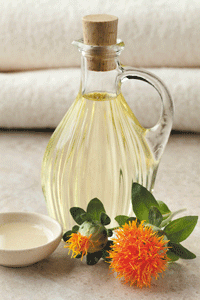
Higher blood levels of unsaturated fats linked to longer life
Image: Thinkstock |
A diet rich in polyunsaturated fats—found mainly in vegetable oils and fish—seems to protect people against cardio-vascular disease. A new study that measured blood levels of these fats in older adults now lends further support to this observation.
The report, in the June 17, 2015, Circulation, included more than 4,200 Swedish men and women without heart disease who were 60 years old when they joined the study. Researchers then tracked the participants' deaths over the following decade and a half. People with the highest blood levels of these beneficial fats were less likely to die from heart disease or any other cause than those with the lowest levels. Measuring the blood levels of these fats may be more reliable than asking people to recall what they ate, the researchers note.

Mediterranean diet: Good for your mind and your heart
Plant-based compounds known as polyphenols are plentiful in the Mediterranean diet, which may explain its health benefits. |
Extra-virgin olive oil and nuts seem to contribute to the benefits.
Hip bursitis vs. arthritis: How to tell the difference
Fitness for longevity: Which type matters most?
Ministrokes linked to elevated risk of dementia
Continuous glucose monitors benefit people who don't need insulin
CoQ10: Should you take this popular supplement if you're on a statin?
Microplastics: A hidden health threat?
Oat vs. dairy milk: Nutrition, benefits, and downsides
What is tempeh? Benefits, nutrition, and how to use it
Healing after food poisoning
Whole grains may improve several heart risk factors at once
Free Healthbeat Signup
Get the latest in health news delivered to your inbox!
Sign Up
