

Hip bursitis vs. arthritis: How to tell the difference

Fitness for longevity: Which type matters most?

Ministrokes linked to elevated risk of dementia

Continuous glucose monitors benefit people who don't need insulin

CoQ10: Should you take this popular supplement if you're on a statin?

Microplastics: A hidden health threat?

Oat vs. dairy milk: Nutrition, benefits, and downsides

What is tempeh? Benefits, nutrition, and how to use it

Healing after food poisoning

Whole grains may improve several heart risk factors at once
Vitamins, minerals & supplements Archive
Articles

Eat a handful of nuts, get a bucketful of benefits
In particular, nuts and peanuts are getting attention for their heart benefits. A study published in JAMA Internal Medicine on March 2, 2015, found that among 72,000 Americans in the southern United States and 135,000 people in China, eating peanuts (a legume) and nuts (such as almonds and walnuts) was associated with a reduction of 17% to 21% in the risk of dying from any cause, especially heart disease. This study was not a randomized trial, and therefore it cannot prove that a regular diet of nuts has such positive health effects. However, two previous randomized trials did find that such a diet was heart-healthy. "Nuts and peanuts are rich in unsaturated fatty acids, known for reducing inflammation, improving blood vessel function, and lowering LDL cholesterol," says Debbie Krivitsky, director of clinical nutrition at the Cardiovascular Disease Prevention Center at Harvard-affiliated Massachusetts General Hospital. The American Heart Association recommends eating four servings of unsalted, unoiled nuts per week. A serving size is a small handful (1.5 ounces) of whole nuts or 2 tablespoons of nut butter.
Image: Thinkstock

More people are using aspirin therapy
Daily aspirin use has increased among U.S. adults, according to a survey published May 2015 in the American Journal of Preventive Medicine. The survey asked more than 2,500 people ages 45 to 75 about their current aspirin use. The overall use was 52%, up from 41% in a similar survey in 2004. The most common reasons for taking daily aspirin were prevention of heart attack and stroke. Eighteen percent of aspirin users cited cancer prevention as their reason for taking aspirin. And while most users said they'd talked to their doctor before starting aspirin therapy, 25% of the respondents had not. That finding is troubling, since aspirin is a blood thinner. "Aspirin can increase the risk of bleeding in the brain or elsewhere in the body. This risk might be justified if there is a good reason for aspirin use, but might be entirely unjustifiable if not. That is why I always recommend discussing any medication or supplement use with one's primary care provider," says Dr. Natalia Rost, associate professor of neurology at Harvard Medical School.
Image: Thinkstock

There is something you can do about Alzheimer's disease-join a study
Thousands of volunteers are needed for current Alzheimer's studies. |
Women are at greater risk for dementia. Joining clinical trials can help to speed the development of promising drugs.

IV osteoporosis drug builds bone in older women who can't take the oral version
A study published online April 13, 2015, in JAMA Internal Medicine indicates that a single infusion of the bisphosphonate drug zoledronate (Reclast) can be used to increase bone density in women who can't take oral versions of bisphosphonates. Taking an oral bisphosphonate like alendronate (Fosamax) is effective in building bone for women with osteoporosis, but it requires a commitment—taking the drug on an empty stomach and remaining upright for 30 minutes afterward. Because this may not be practical for women in assisted living facilities, they often aren't given bone-building drugs, even though their risk of hip fracture is eight to nine times that of women living at home.
The researchers studied 181 women with osteoporosis residing in assisted living facilities. The average age was 85. The women were randomly assigned to one of two treatments—1,200 milligrams of calcium and 800 IU of vitamin D daily as supplements plus a single intravenous infusion of zoledronate or the same daily doses of the supplements alone.
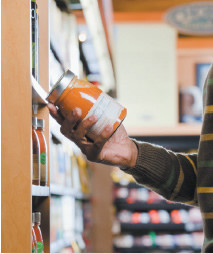
Not all processed foods are unhealthy
Don't be misled by well-intentioned advice. Some processed foods offer nutritional value and convenience.
Nutrition gurus often urge us to spurn processed foods in favor of whole ones. But not all processed foods are necessarily bad. "Most food needs to go through some sort of processing for it to even be edible and digestible," says Stacey Nelson, a registered dietitian and manager of clinical nutrition at Harvard-affiliated Massachusetts General Hospital. "The minute you cook something, you are processing it."
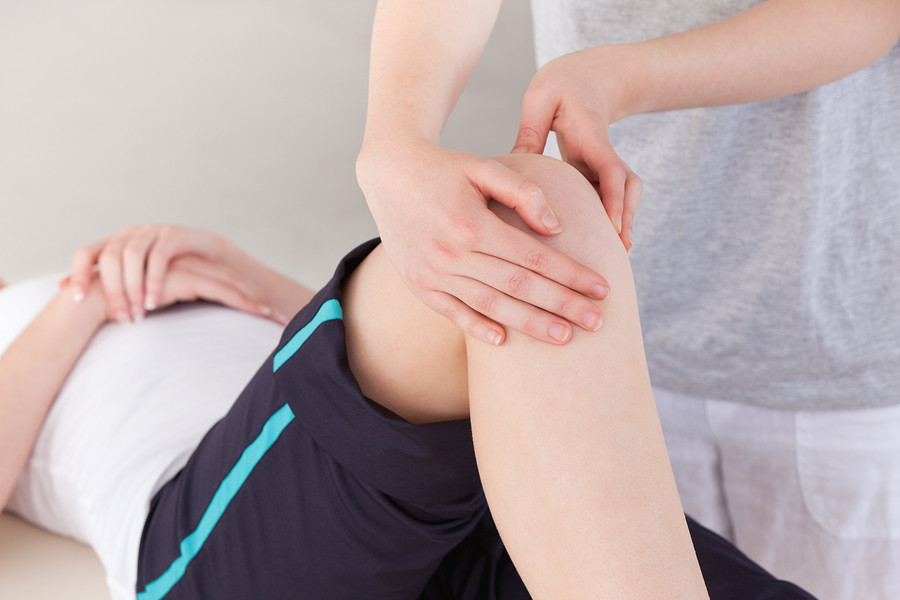
Can you put off that knee surgery?
Don't assume surgery is necessary if knee pain sidelines you. Physical therapy may be all it takes. Image: iStock |
Physical therapy and weight loss can relieve knee pain and protect your mobility.

Scientifically proven diets that work
Heart-healthy diets emphasize fruits and vege-tables as a major source of daily calories. Images: Thinkstock |
Substantial research proves the Mediterranean and DASH eating plans offer important health benefits for men.
Ask the doctor: Prostate surgery and ED
Q. I am scheduled to have my prostate removed and am concerned about the risk of erectile dysfunction (ED) after the surgery. I've heard that taking an ED drug daily during my recovery could help. Do you recommend this?
A. About half of men lose some erectile function after radical prostatectomy, which removes the entire prostate gland. ED drugs help men to have erections after surgery, but so far research has not shown that taking it daily produces better results than taking the medication as-needed—when you anticipate sexual activity.

Iron and your health
If you feel run-down, lack of iron is probably not the cause. You can easily get enough of this key mineral in your diet.
Decades ago, advertising for the liquid vitamin and mineral supplement Geritol warned against "iron-poor, tired blood." It's a reference to the fact that red blood cells need iron to make hemoglobin, the molecule that grabs oxygen and transports it around the body.

Gain more weight, get more GERD
Maintaining a healthy weight is the best way to rein in gastroesophageal reflux disease (GERD), or chronic heartburn, according to a study in The American Journal of Gastroenterology. Researchers found that GERD symptoms increased for every incremental rise in body mass index (BMI), which measures the ratio of weight to height.
In GERD, the acidic contents of the stomach back up into the lower esophagus, causing burning pain. The most effective treatment for GERD is taking an acid-reducing proton-pump inhibitor medication, such as omeprazole (Prilosec). People who are overweight are much more likely to develop GERD.
Hip bursitis vs. arthritis: How to tell the difference
Fitness for longevity: Which type matters most?
Ministrokes linked to elevated risk of dementia
Continuous glucose monitors benefit people who don't need insulin
CoQ10: Should you take this popular supplement if you're on a statin?
Microplastics: A hidden health threat?
Oat vs. dairy milk: Nutrition, benefits, and downsides
What is tempeh? Benefits, nutrition, and how to use it
Healing after food poisoning
Whole grains may improve several heart risk factors at once
Free Healthbeat Signup
Get the latest in health news delivered to your inbox!
Sign Up
