

Hip bursitis vs. arthritis: How to tell the difference

Fitness for longevity: Which type matters most?

Ministrokes linked to elevated risk of dementia

Continuous glucose monitors benefit people who don't need insulin

CoQ10: Should you take this popular supplement if you're on a statin?

Microplastics: A hidden health threat?

Oat vs. dairy milk: Nutrition, benefits, and downsides

What is tempeh? Benefits, nutrition, and how to use it

Healing after food poisoning

Whole grains may improve several heart risk factors at once
Vitamins, minerals & supplements Archive
Articles

Adding folate to blood pressure medication reduces stroke
People with high blood pressure could benefit from a B vitamin known as folate if they are not getting enough from their diets, according to a study in The Journal of the American Medical Association (JAMA).
The study included more than 20,000 adults in China with high blood pressure who had never had a stroke or heart attack. Participants who took folate supplements along with a blood pressure medication had fewer strokes over the four-and-one-half-year trial than those who only took the medication.
Most liver risk comes from over-the-counter drugs and supplements
Many different medications can potentially harm the liver, so doctors sometimes do liver function tests to ensure safety. The worst-case scenario is liver failure, but when this happens, the cause is usually not prescription medications, but rather the over-the-counter painkiller acetaminophen (Tylenol) or herbal supplements, according to a study in Gastroenterology.
Researchers scrutinized 5.4 million records of patients in the Kaiser Permanente Northern California system from 2004 to 2010. They identified only 62 cases of liver failure, 32 of which were linked to medications. This may not precisely reflect national rates, but it does suggest that liver failure from medications is relatively uncommon.
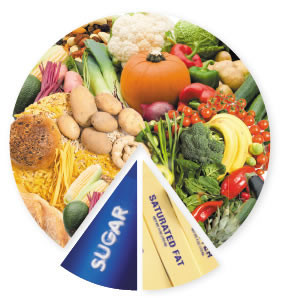
7 good suggestions from the proposed dietary guidelines
The plant-based diet caps sugar and saturated fats at 10% of calories each. |
The new recommendations for healthy eating emphasize diet over individual nutrients and overturn some long-held beliefs.

Add strength training to your fitness plan
Muscles at workDynamic resistance occurs when muscles and joints move, such as when you raise and lower a hand weight. Image: Thinkstock |
Boosting your muscle mass may trigger changes that enhance heart health.

Get cracking: Why you should eat more nuts
Nuts are rich in unsaturated fats, fiber, and other nutrients with possible cardiovascular benefits. Images: Thinkstock |
Munching a small handful every day may protect your heart.
To lower stroke risk, be sure to get this B vitamin
Green vegetables and citrus fruits are good natural sources of folate.
If you're among the one in three American adults with high blood pressure, be sure you're getting enough of the B vitamin known as folate. Doing so may lower your odds of having a stroke, a new study suggests.

Acetaminophen seems safe for the heart
After a small study hinted that taking acetaminophen (Tylenol) might increase blood pressure, some doctors worried that this popular painkiller might not be as safe as once assumed, particularly for people with heart disease. But those fears now appear unfounded, according to a March 2015 report in Hypertension.
Using records from a U.K. health database, researchers identified nearly 25,000 people ages 65 and older with high blood pressure. They then compared people who took acetaminophen with people who didn't take the drug over a 10-year period. After adjusting for possible confounding factors, they found no elevated risk of heart attack, stroke, or any cardiovascular events among people who used acetaminophen—even among those who took the painkiller frequently. Despite this reassurance, be aware that high doses of acetaminophen can damage your liver. Don't take more than 3,000 milligrams (mg) a day. Over-the-counter pills (including some cold and flu drugs) may contain up to 650 mg of the drug, so check labels carefully.

Should you work chocolate into your diet?
Cocoa flavanols found in chocolate are powerful antioxidants that may boost your health. Image: Thinkstock |
Cocoa flavanols in chocolate are linked to improved thinking skills and better heart health.

Should you get your nutrients from food or from supplements?
Image: Thinkstock Try to improve your diet before turning to supplements. Food has beneficial nutrients, such as flavonoids and antioxidants, that aren't in most supplements. |
Supplements can plug dietary gaps, but nutrients from food are most important.
The fresh food you eat is loaded with nutrients necessary for good health, such as magnesium, calcium, and vitamins A and C. But many older adults aren't getting enough nutrients from their diets.

Adding a diuretic to your blood pressure drug
Diuretics can augment the blood pressure-lowering effects of other drugs, such as ACE inhibitors. Image: Thinkstock |
It may boost the effect of your current medication.
Hip bursitis vs. arthritis: How to tell the difference
Fitness for longevity: Which type matters most?
Ministrokes linked to elevated risk of dementia
Continuous glucose monitors benefit people who don't need insulin
CoQ10: Should you take this popular supplement if you're on a statin?
Microplastics: A hidden health threat?
Oat vs. dairy milk: Nutrition, benefits, and downsides
What is tempeh? Benefits, nutrition, and how to use it
Healing after food poisoning
Whole grains may improve several heart risk factors at once
Free Healthbeat Signup
Get the latest in health news delivered to your inbox!
Sign Up
