

Hip bursitis vs. arthritis: How to tell the difference

Fitness for longevity: Which type matters most?

Ministrokes linked to elevated risk of dementia

Continuous glucose monitors benefit people who don't need insulin

CoQ10: Should you take this popular supplement if you're on a statin?

Microplastics: A hidden health threat?

Oat vs. dairy milk: Nutrition, benefits, and downsides

What is tempeh? Benefits, nutrition, and how to use it

Healing after food poisoning

Whole grains may improve several heart risk factors at once
Vitamins, minerals & supplements Archive
Articles

Tips to help the medicine go down
Adding medications to foods and trying new swallowing techniques can help.
Swallowing pills can be difficult and downright unpleasant. It causes one in three people to gag, vomit, or choke. That may keep people from sticking to their medication routines, which can make them sicker. "We often see people who can swallow food and liquid just fine, but have difficulty with pills," says Denise Ambrosi, director of the Speech-Language Pathology Department at Harvard-affiliated Spaulding Rehabilitation Hospital.
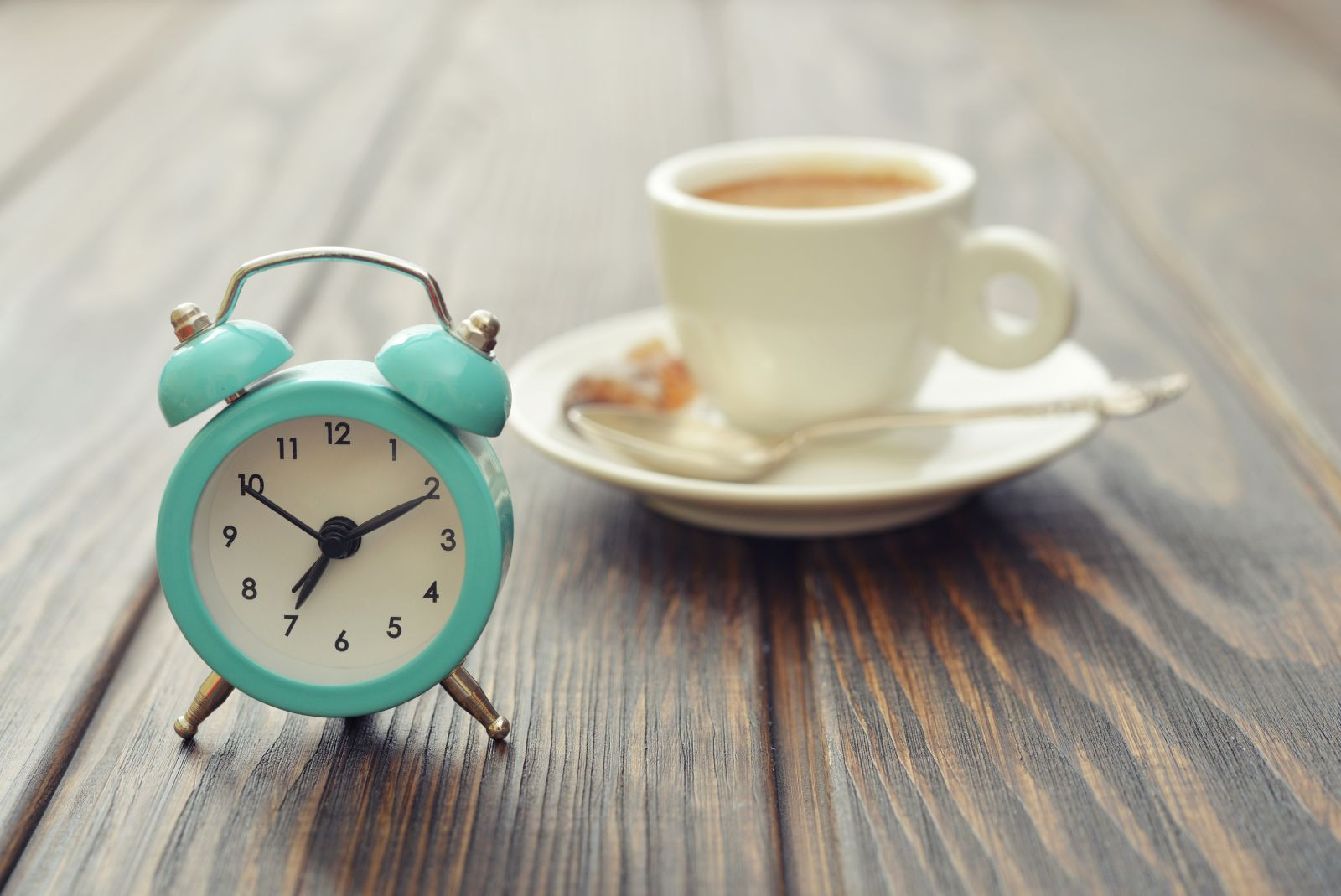
A wake-up call on coffee
This popular beverage may have benefits beyond a morning buzz. But be careful with your add-ins.
Coffee drinkers around the world savor the bitter brew on a daily basis. But are there any grounds for concern regarding coffee's effects on the heart? On the contrary: the case for drinking coffee seems to be growing. Straight coffee—minus the cream and sugar—is a nearly calorie-free beverage brimming with antioxidants. It might ease artery-damaging inflammation and may deliver a substance that helps the body regulate blood sugar.
"The evidence for the benefits of coffee consumption is even more convincing than it was five years ago, especially when it comes to preventing type 2 diabetes and reducing risk of heart disease and stroke," says Dr. Frank Hu, professor of nutrition and epidemiology at the Harvard School of Public Health.

Having a big belly puts your heart in danger
Cutting back on carbohydrates can help shrink a bulging midriff.
Pants getting a little snug? It's not just you: Americans' waistlines have ballooned over the past decade or so, to an average of just under 40 inches for men and almost 38 inches for women, according to a large federal study.

A new way to "beet" high blood pressure?
Images: Thinkstock |
Beets rarely rank high on anyone's list of most-loved vegetables. But here's a reason to give these ruby-red roots another try: beet juice may help lower blood pressure, according to a study in the February 2015 Hypertension.
Beets contain naturally high levels of nitrates, which your digestive system converts into nitric oxide. This compound relaxes and widens blood vessels, which, in turn, lowers blood pressure.

Chemical in food can liners may boost blood pressure
Images: Thinkstock |
Some plastic bottles, food containers, and linings of cans contain bisphenol A (BPA), a chemical that's been under close scrutiny because of its potential effects on human health. Most Americans have traces of BPA in their urine, and some research hints of a possible link between BPA exposure and cardiovascular disease. Now, a study in the September 2014 Hypertension finds that BPA exposure from cans may raise blood pressure.
Sixty older adults drank two servings of soymilk provided one of three ways: in two glass bottles (providing the least BPA), two cans (most BPA), or one glass bottle and one can. Two hours after participants drank from the cans, their urinary BPA levels were much higher than after they drank from two glass bottles. And their systolic blood pressure (the first number in a blood pressure reading) was roughly 4.5 mm Hg higher after two cans versus two glass bottles.

Fed up about dietary fat advice?
The proper role of fat in diet is not that complicated.
Atkins, South Beach, paleo, high-protein, low-carb, gluten-free—the march of the media darlings of dieting never ceases, along with the scientific controversy over which one works best. But for many health-conscious men, maintaining a lean physique isn't the only consideration when making dining decisions. What diet protects you best from heart disease and stroke?

Overcoming urinary leakage
Image: Thinkstock |
Simple strategies can help you regain control.
As men age, the simple act of urinating can get complicated. Prostate surgery often leaves men vulnerable to leakage when they cough, sneeze, or just rise from a chair. Or the bladder may become impatient, suddenly demanding that you find a bathroom right now. "Thousands of years ago, it was not as much of an issue," observes Dr. Anurag Das, a urologist at Harvard-affiliated Beth Israel Deaconess Medical Center. "There were lots of trees, and you could just find one and go."
But tricky bladders can be whipped into shape. The first step is a careful assessment of what triggers those difficult moments. Then your doctor can suggest helpful strategies and possibly medication to improve urinary control.

Ask the doctor: Does a beta blocker interfere with exercise?
Q. My doctor recently put me on Tenormin because my blood pressure was getting high. Now, when I run or row, I can't get my heart rate much above 115 beats per minute even though my peak heart rate should be 136. Is the beta blocker keeping me from getting the full benefit of exercise?
A. Although your heart now beats more slowly when you run and row, rest assured that your heart, arteries, lungs, muscles, and the rest of you are getting the full benefit of exercise.
Ask the doctor: What can I do for antidepressant "discontinuation symptoms"?
Image: Thinkstock |
Q. I took a low dose of the antidepressant desipramine for more than two years for chronic pain. Once I started physical therapy, my pain improved so much that I quickly tapered off the medication. I have been off of it for a month now, but am still experiencing "discontinuation symptoms." I can't sleep well and feel a little dizzy. What can I do for this?
A. It can be liberating to realize that you no longer need to take a medication. However, sometimes you can't just throw your pills away. There are many medications (both psychoactive and otherwise) that require you to taper off slowly when it's time to stop them. Stopping such a medication too quickly will cause what are called rebound side effects. Desipramine (Norpramin) is a tricyclic antidepressant, one of the drug categories that require a slow taper.
Hip bursitis vs. arthritis: How to tell the difference
Fitness for longevity: Which type matters most?
Ministrokes linked to elevated risk of dementia
Continuous glucose monitors benefit people who don't need insulin
CoQ10: Should you take this popular supplement if you're on a statin?
Microplastics: A hidden health threat?
Oat vs. dairy milk: Nutrition, benefits, and downsides
What is tempeh? Benefits, nutrition, and how to use it
Healing after food poisoning
Whole grains may improve several heart risk factors at once
Free Healthbeat Signup
Get the latest in health news delivered to your inbox!
Sign Up
