

Hip bursitis vs. arthritis: How to tell the difference

Fitness for longevity: Which type matters most?

Ministrokes linked to elevated risk of dementia

Continuous glucose monitors benefit people who don't need insulin

CoQ10: Should you take this popular supplement if you're on a statin?

Microplastics: A hidden health threat?

Oat vs. dairy milk: Nutrition, benefits, and downsides

What is tempeh? Benefits, nutrition, and how to use it

Healing after food poisoning

Whole grains may improve several heart risk factors at once
Vitamins, minerals & supplements Archive
Articles
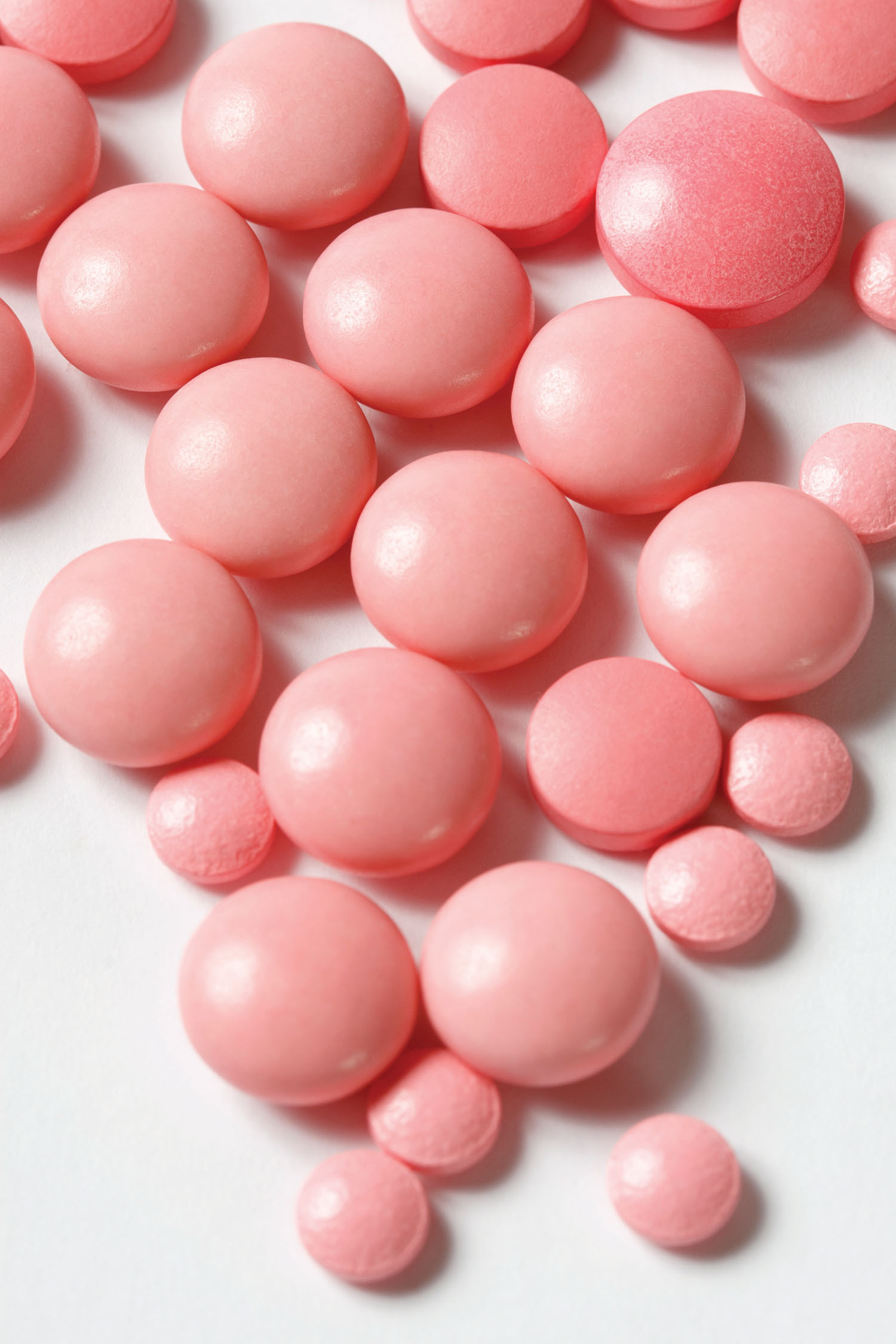
Are bioidentical hormones superior to hormone medications?
Bioidentical hormone preparations aren't superior to FDA-approved hormone medications and may bring additional risks.

Don't fail your heart health
The most common type of heart failure in older adults is heart failure with preserved ejection fraction. This is caused by the heart's left ventricle not being able to relax, which means less blood enters the chamber, so less gets pumped out. Prevention and treatments continue to evolve, but include controlling blood pressure, addressing weight gain with exercise and diet, not smoking, and curbing alcohol intake.

FDA urges the food industry to cut back on salt
The FDA called for the food industry to voluntarily cut the amount of sodium in processed, packed, and prepared foods. Those products provide about 70% of the sodium in the typical American diet.

Low-dose aspirin: Little benefit for people without prior heart attack
A draft guideline from a national panel of experts recommends that people without heart disease who are 60 and older should not take low-dose aspirin to prevent a heart attack or stroke.

What is "walking pneumonia"?
Walking pneumonia means a person with pneumonia is highly likely to get well at home and not develop complications. Still, walking pneumonia is considered a significant infection and requires prompt and appropriate treatment. Doctors usually prescribe antibiotics and rest.

Meal of the month: Healthy meals for 2022

Heart-safer NSAID alternatives
Common pain relievers known as nonsteroidal anti-inflammatory drugs (NSAIDs) carry an added risk of heart problems. Use only what you need and for only as long as you need it. Men with heart problems should be extra cautious.

Saturated fat and low-carb diets: Still more to learn?
Low-carbohydrate diets have been popular for many years, but due to the high amounts of saturated fat, doctors and nutritionists worry about possible increased risk of cardiovascular disease. A study comparing three diets found that eating a high-fat diet did not necessarily raise heart risk, but the types and quantities of food make a difference.

Naps: Make the most of them and know when to stop them

How can I tell if my statin is working?
Statin therapy can help lower the risk of developing new plaques in the arteries and having a heart attack, although the effect may not show up on coronary artery calcium scans that measure the amount of calcium in the walls of the heart's arteries.
Hip bursitis vs. arthritis: How to tell the difference
Fitness for longevity: Which type matters most?
Ministrokes linked to elevated risk of dementia
Continuous glucose monitors benefit people who don't need insulin
CoQ10: Should you take this popular supplement if you're on a statin?
Microplastics: A hidden health threat?
Oat vs. dairy milk: Nutrition, benefits, and downsides
What is tempeh? Benefits, nutrition, and how to use it
Healing after food poisoning
Whole grains may improve several heart risk factors at once
Free Healthbeat Signup
Get the latest in health news delivered to your inbox!
Sign Up
