

Hip bursitis vs. arthritis: How to tell the difference

Fitness for longevity: Which type matters most?

Ministrokes linked to elevated risk of dementia

Continuous glucose monitors benefit people who don't need insulin

CoQ10: Should you take this popular supplement if you're on a statin?

Microplastics: A hidden health threat?

Oat vs. dairy milk: Nutrition, benefits, and downsides

What is tempeh? Benefits, nutrition, and how to use it

Healing after food poisoning

Whole grains may improve several heart risk factors at once
Vitamins, minerals & supplements Archive
Articles

When the arrival of menopause brings symptoms of depression
A new study suggests that hormone therapy might help with perimenopausal depression. But is it safe for you?
Hormone therapy has long been a controversial topic, and a new study about the role of hormones in depression is adding some fodder to the debate. A study published in the January 10 issue of JAMA Psychiatry determined that hormone therapy may help ward off symptoms of depression in women. Researchers found that perimenopausal and early postmenopausal women who were treated with hormones were less likely to experience symptoms of depression than women in the study who were given a placebo.
But while the findings of the study are important — particularly considering that a woman's risk of depression doubles or even quadruples during the menopausal transition — that doesn't mean hormone therapy should be widely used for preventing depression in women at this stage of life, says Dr. Hadine Joffe, the Paula A. Johnson Associate Professor of Psychiatry in Women's Health at Harvard Medical School, who wrote an editorial accompanying the study. "It's not a 'never,' but it shouldn't be a standard approach; in general, all of medicine has moved away from using hormones for prevention," she says.

High calcium score: What’s next?
Ask the doctor
Image: © Tinpixels/Getty Images
Q. I recently got a coronary artery calcium scan and the results showed that I have quite a bit of calcium in my heart arteries (my score was 900). Should I have an angiogram to confirm the results? I don't have any heart-related symptoms, but I'm worried about having a heart attack.
A. That is a very high coronary artery calcium score. But the short answer to your question is no. The main reason to have an angiogram is to locate a narrowed heart artery that is causing chest pain or other symptoms. For the test, a cardiologist injects a dye that is visible on x-rays into the blood vessels of your heart, then takes a series of x-ray images. This is done in preparation for angioplasty, in which a narrowed artery is opened, or as a prelude to referral for coronary artery bypass surgery.

Getting your vitamins and minerals through diet
The benefits of multivitamins are looking doubtful. Can we do without them?
The answer is a qualified yes – we can do without them, as long as you eat a well-balanced diet rich in fruits and vegetables.
In the past, doctors often suggested a standard multivitamin with minerals each day. They don't cost much, and earlier studies had shown some benefits. For example, it appeared that folic acid and other B vitamins might lower the risk of heart disease, stroke and possibly cancer. But more recent studies have shown no added benefit of multivitamins for healthy people that eat a balanced diet.

Urine color and odor changes
Surprising factors influence urine color and odor including food and medication
Many things can alter the look and smell of your urine. When should you be concerned?
Nearly six and a half cups — that's how much urine the average person produces a day, usually in four to eight trips to the toilet. The ritual is so routine that most of us pay little attention to our urine — that is, unless it happens to look or smell different than usual.

Aspirin and your heart: Many questions, some answers
Taking an aspirin can protect you from heart attack, blood clots and more
First marketed by the Bayer Company in 1897, aspirin (acetylsalicylic acid) is one of our oldest modern medications — and its parent compound is much older still, since Hippocrates and the ancient Egyptians used willow bark, which contains salicylates, to treat fever and pain. Over the past 100 years, aspirin has made its way into nearly every medicine chest in America. Indeed, this old drug is still widely recommended to control fever, headaches, arthritis, and pain.
Although aspirin remains an excellent medication for fever and pain, other drugs can fill these roles equally well. But aspirin has a unique role that was not even suspected by its early advocates. In patients with coronary artery disease, aspirin prevents heart attacks.

Flavonoids: The secret to health benefits of drinking black and green tea?
Plant chemicals known as flavonoids may explain why tea drinkers seem less likely to have cardiovascular disease.
Black or green, hot or iced, tea is gaining in popularity. Many cities and shopping malls feature specialty tea shops, and bottled teas vie for space on store shelves. The tea market continues to grow year after year.
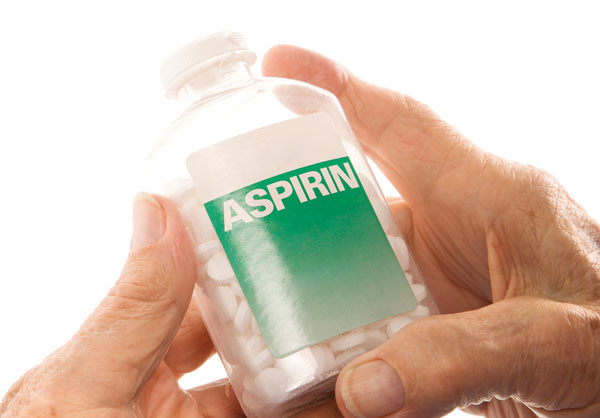
Does aspirin stop a heart attack?
Ask the doctor
Q. Should I take aspirin if I think I'm having a heart attack, and what kind of aspirin should I take?
A. First, what symptoms indicate you might be having a heart attack? The main symptom is a squeezing, tight sensation in the middle of the chest that can travel up into the jaw and shoulders, and even down the left arm. Along with the pain you may begin to sweat and to feel weak, like you might pass out, and be short of breath. While other conditions besides a heart at-tack can cause similar symptoms, you need to take such symptoms very seriously. First, call 911.

Scientists create the first 3D miniature working heart model
Research we're watching
A team of scientists have created a tiny heart muscle "pump" using human cells and a three-dimensional bioprinter. The model heart — which was sized to fit inside a mouse's abdominal cavity — may one day prove useful for studying new heart medications and other therapies, they say.
The researchers first tried using heart muscle cells (cardiomyocytes) in the 3D printer, but the cells didn't grow to a sufficient size and volume. So they instead used so-called pluripotent stem cells, which have the ability to transform into different cell types. After printing a chambered structure, they were able to program the stem cells to become cardiomyocytes, which then began to organize and work together. Within about a month, the cells began beating together, similar to a human heart. The research is detailed in a study published July 3, 2020, in the journal Circulation Research.

Stop counting calories
Put the focus on food quality and healthy lifestyle practices to attain a healthy weight.
Most people have been taught that losing weight is a matter of simple math. Cut calories — specifically 3,500 calories, and you'll lose a pound. But as it turns out, experts are learning that this decades-old strategy is actually pretty misguided.
"This idea of 'a calorie in and a calorie out' when it comes to weight loss is not only antiquated, it's just wrong," says Dr. Fatima Cody Stanford, an obesity specialist and assistant professor of medicine and pediatrics at Harvard Medical School.
Hip bursitis vs. arthritis: How to tell the difference
Fitness for longevity: Which type matters most?
Ministrokes linked to elevated risk of dementia
Continuous glucose monitors benefit people who don't need insulin
CoQ10: Should you take this popular supplement if you're on a statin?
Microplastics: A hidden health threat?
Oat vs. dairy milk: Nutrition, benefits, and downsides
What is tempeh? Benefits, nutrition, and how to use it
Healing after food poisoning
Whole grains may improve several heart risk factors at once
Free Healthbeat Signup
Get the latest in health news delivered to your inbox!
Sign Up
