

Hip bursitis vs. arthritis: How to tell the difference

Fitness for longevity: Which type matters most?

Ministrokes linked to elevated risk of dementia

Continuous glucose monitors benefit people who don't need insulin

CoQ10: Should you take this popular supplement if you're on a statin?

Microplastics: A hidden health threat?

Oat vs. dairy milk: Nutrition, benefits, and downsides

What is tempeh? Benefits, nutrition, and how to use it

Healing after food poisoning

Whole grains may improve several heart risk factors at once
Women's Health Archive
Articles

Can estrogen cream help with vaginal atrophy?
Vaginal dryness and discomfort can affect intimacy and daily life. See which options may ease symptoms linked to changing estrogen levels.
HPV testing at home: A new option for women
In January 2026, the U.S. Department of Health and Human Services issued cervical cancer screening guidelines that, for the first time, include an option for women to perform an at-home human papillomavirus (HPV) test. HPV causes about 95% of cervical cancers.
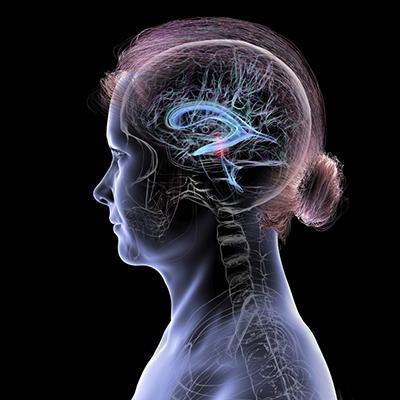
From periods to menopause: How estrogen levels throughout life affect women's brain health
Women’s reproductive history, including first period, pregnancy, and menopause, influences their lifetime exposure to estrogen, which appears to shape brain aging and dementia risk. Menopause is believed to be the strongest reproductive factor, with later menopause tied to lower dementia risk.

Estrogen-only hormone therapy tied to lower dementia risk
A 2026 study suggested that menopausal women who used estrogen-only hormone therapy were less likely than women who didn’t use hormone therapy to develop Alzheimer’s-related brain changes or be diagnosed with dementia.
Should you have a hysterectomy?
Each year, about 600,000 American women undergo hysterectomy—surgery to remove the uterus and sometimes other reproductive organs as well—most often to alleviate symptoms rather than to save lives. Women opt for hysterectomy for conditions such as excessive uterine bleeding, pelvic pain, and fibroids.

When do I need to stop using hormone therapy?
While starting hormone therapy to curb menopause symptoms is considered safest before age 60 and within 10 years of menopause, there’s no defined age at which women need to stop using it. Various factors should be considered when deciding whether to continue, including age, overall health, and medical history.

How does stress affect your period?
Stress can disrupt the menstrual cycle, but it isn’t the only possible cause of a late period. Find out what to consider before assuming why.

What is cholestasis and how is it treated?
A bile flow problem can cause noticeable changes in the skin, urine, stools, and comfort, with treatment depending on the underlying cause.

What are the risks of an Rh mismatch in a transfusion?
Blood type compatibility matters during transfusions, and an Rh mismatch can create risks that may not appear immediately.
Can uterine fibroids change over time?
Fibroids may change over time, even when they cause no symptoms. Find out what doctors know about their growth, symptoms and long-term outlook.
Hip bursitis vs. arthritis: How to tell the difference
Fitness for longevity: Which type matters most?
Ministrokes linked to elevated risk of dementia
Continuous glucose monitors benefit people who don't need insulin
CoQ10: Should you take this popular supplement if you're on a statin?
Microplastics: A hidden health threat?
Oat vs. dairy milk: Nutrition, benefits, and downsides
What is tempeh? Benefits, nutrition, and how to use it
Healing after food poisoning
Whole grains may improve several heart risk factors at once
Free Healthbeat Signup
Get the latest in health news delivered to your inbox!
Sign Up
