

Hip bursitis vs. arthritis: How to tell the difference

Fitness for longevity: Which type matters most?

Ministrokes linked to elevated risk of dementia

Continuous glucose monitors benefit people who don't need insulin

CoQ10: Should you take this popular supplement if you're on a statin?

Microplastics: A hidden health threat?

Oat vs. dairy milk: Nutrition, benefits, and downsides

What is tempeh? Benefits, nutrition, and how to use it

Healing after food poisoning

Whole grains may improve several heart risk factors at once
Women's Health Archive
Articles
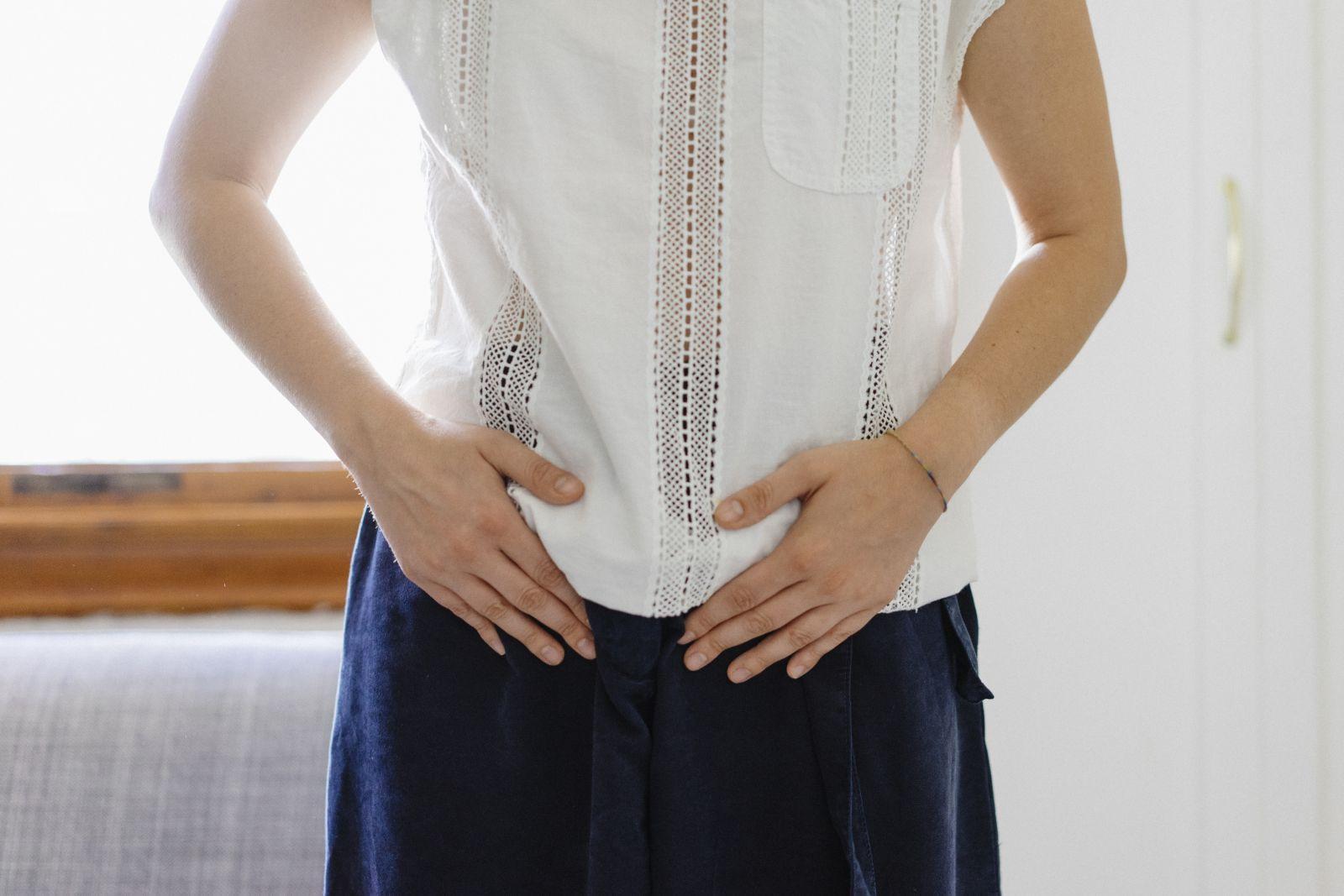
What to do about pelvic organ prolapse
Pelvic organ prolapse is a common complaint among women. Women have three main options for treating prolapse: pelvic floor physical therapy, a pessary, or surgery to support the displaced organs.

Can a high-fiber diet reduce your risk of breast cancer?
Research we're watching
Your diet may influence your breast cancer risk. An analysis of 20 studies by researchers from the Harvard T.H. Chan School of Public Health, which was published online April 6, 2020, by the journal Cancer, found that women who ate the most fiber were 8% less likely to go on to develop breast cancer compared with the women who ate the least.
The reduction in breast cancer risk was seen for both premenopausal and postmenopausal breast cancers, as well as different types of breast cancer, including those that were estrogen and progesterone receptor–positive and estrogen and progesterone receptor–negative. Researchers from the Harvard T.H. Chan School of Public Health said that that the reduction may be due to fiber's effect in reducing both blood sugar and estrogen levels in the body.

Is your habit getting out of control?
Stress can raise your risk of developing a substance use disorder. Here's how to get help when you need it.
In recent months, Americans' collective stress level has risen in response to the pandemic and economic fallout. Many people are looking for ways to help themselves feel better. Unfortunately, stress can trigger a number of unhealthy coping strategies — drinking alcohol to excess, bingeing on junk food, engaging in drug use, or other harmful behaviors. If you've ever had a substance use disorder, a bout of significant stress may even put your recovery at risk.
This is likely due to the shift the human brain makes in times of trauma. Instead of focusing on long-term goals, your brain zeroes in on short-term objectives.

Are you old enough to give up your screening mammogram?
There's no easy answer to this question. Rather, women should make the decision based on their individual needs.
Most women don't look forward to their routine mammogram, which can be uncomfortable and stressful. You may wonder: Is there an age when can you dispense with this regular chore? 75, 80, 85?
The truth is that experts haven't determined a magic age when women no longer need breast cancer screening — largely because scientific evidence in this area is lacking, says Dr. Kathryn Rexrode, associate professor of medicine at Harvard Medical School and chief of the Division of Women's Health at Brigham and Women's Hospital. But many experts also agree that continuing mammography might not be the right choice beyond age 75. The real question, they say, is what is the right age for you to stop based on your individual needs? To decide, you need to understand both the potential risks and benefits of breast cancer screening.



Cancer death rates continue to decline
Research we're watching
According to a report published March 12 in the journal Cancer, the rate of death from cancer has continued to decline in the United States, dropping on average 1.5% a year from 2001 to 2017. The decline showed up for all ethnic and age groups between 2013 and 2017. The findings were based on cancer incidence data collected by the CDC and the National Cancer Institute.
But not all news was good: the number of new cancer diagnoses in women rose slightly during 2012 to 2016. A more detailed look at cancer deaths among women found a drop in cancer deaths for a majority of the most common cancers, including breast cancer, melanoma, lung cancer, and colorectal cancer. But deaths in women increased when it came to uterine, brain, liver, heart, and pancreatic cancer.

In search of sleep
Many women making the transition to menopause have trouble sleeping. Several strategies can help you get the rest you need.
If you're a woman of a certain age and you often find yourself staring at the ceiling in the middle of the night, you're not alone. The years leading up to menopause and the period that immediately follows are the times that women are most likely to report problems sleeping, according to the National Sleep Foundation. Many different conditions that are common in this stage of life — including hot flashes, obstructive sleep apnea, and mood disorders such as depression or anxiety — can cause sleep problems.
Lack of sleep is more than just a nuisance. "We now understand that high-quality sleep is absolutely vital to good health," says Dr. JoAnn E. Manson, the Michael and Lee Bell Professor of Women's Health at Harvard Medical School. This means that seeking care should be a priority if you are experiencing problems.
Hip bursitis vs. arthritis: How to tell the difference
Fitness for longevity: Which type matters most?
Ministrokes linked to elevated risk of dementia
Continuous glucose monitors benefit people who don't need insulin
CoQ10: Should you take this popular supplement if you're on a statin?
Microplastics: A hidden health threat?
Oat vs. dairy milk: Nutrition, benefits, and downsides
What is tempeh? Benefits, nutrition, and how to use it
Healing after food poisoning
Whole grains may improve several heart risk factors at once
Free Healthbeat Signup
Get the latest in health news delivered to your inbox!
Sign Up
