

Hip bursitis vs. arthritis: How to tell the difference

Fitness for longevity: Which type matters most?

Ministrokes linked to elevated risk of dementia

Continuous glucose monitors benefit people who don't need insulin

CoQ10: Should you take this popular supplement if you're on a statin?

Microplastics: A hidden health threat?

Oat vs. dairy milk: Nutrition, benefits, and downsides

What is tempeh? Benefits, nutrition, and how to use it

Healing after food poisoning

Whole grains may improve several heart risk factors at once
Women's Health Archive
Articles
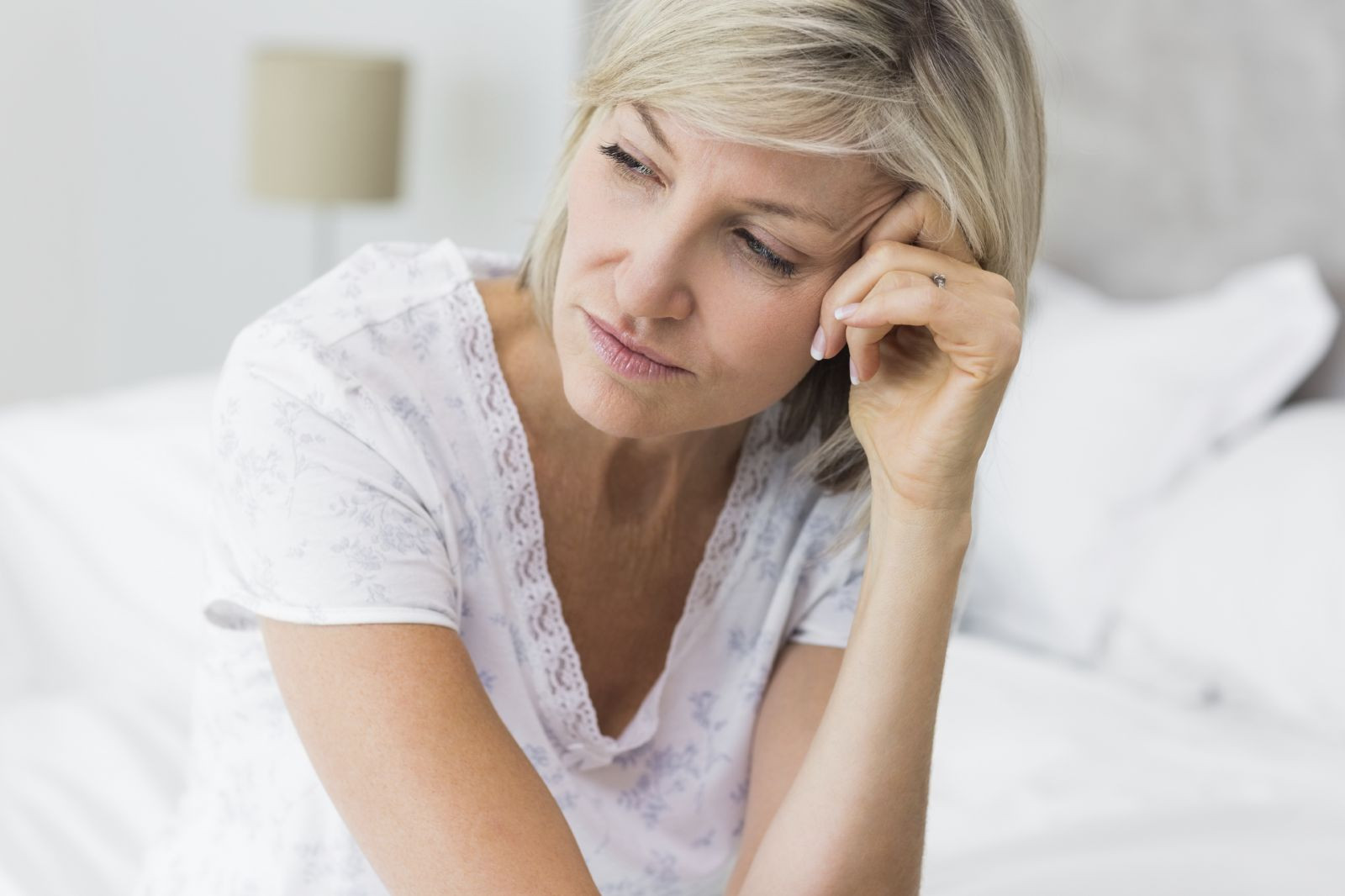
When sex gives more pain than pleasure
Dyspareunia is a common problem for many postmenopausal women.
Millions of women experience pain before, during, or after sexual intercourse—a condition called dyspareunia (from the Greek dyspareunos, meaning "badly mated"). This condition not only saps sexual desire and enjoyment, it can also strain relationships and erode quality of life in general. For postmenopausal women, dyspareunia may also raise concerns about aging and body image.
Many women suffer in silence and don't seek the help they need, or they have trouble finding a clinician who can diagnose and treat the causes of their pain. That is unfortunate, because treatments are available for many of the problems that underlie this vexing condition.

Will my endometriosis go away after menopause?
Ask the doctors
Q. I've had endometriosis since I was in my 30s. I'm now approaching menopause. Will my symptoms get better or even go away after menopause?
A. Possibly, but not always. Endometriosis is a condition in which tissue that resembles the tissue that lines the uterus, called endometrial tissue, grows in other locations inside the body. Typically, it grows on structures and organs in the pelvis, such as the ovaries, fallopian tubes, bladder, or bowels. When a woman menstruates, this tissue behaves like the lining of the uterus and bleeds. But because this blood has no way to exit the body, it pools inside. This leads to pain, inflammation, and scarring.
What donor offspring seek when they do DNA testing
Readily available DNA testing unexpectedly changed some family trees. But people who grew up knowing –– or recently learned –– they were donor-conceived may have differing reasons for wanting to better understand their personal stories.

A new drug for low sexual desire in women: Bremelanotide
The FDA approved a new medication that may help some women experiencing low sexual desire, but there are restrictions on who can take it, and side effects to consider.

Simple ways to wake up your workout
Avoid boredom and boost the benefits you gain from exercise with these simple tips to wake up your weight or treadmill workout.
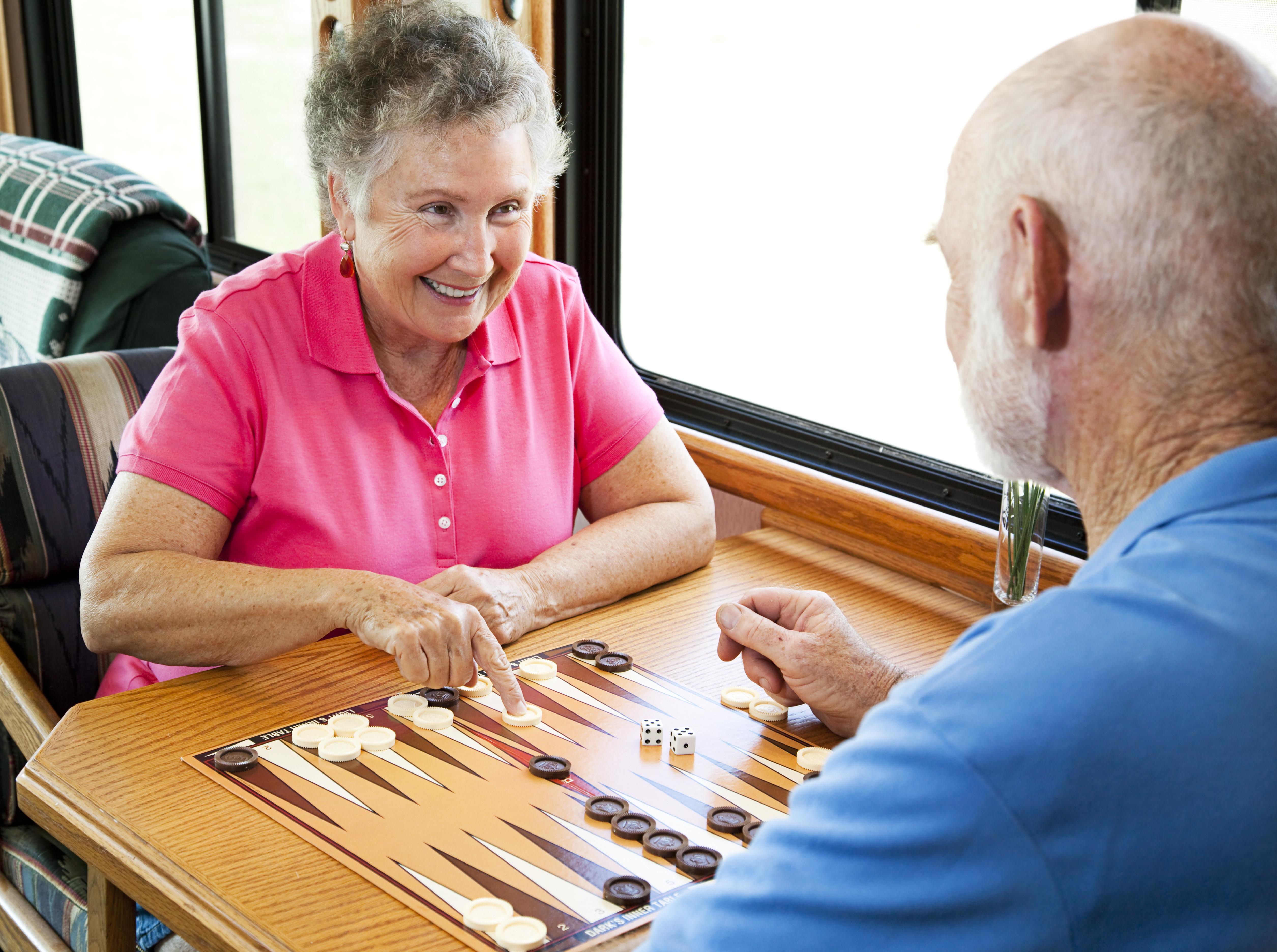
Want a sharp mind, strong memory? Ramp up activities
Research shows that older people who are socially engaged and keep their minds active are more likely to remain mentally sharp. But what specific activities should people do? And does it matter if they start late in life or sooner?
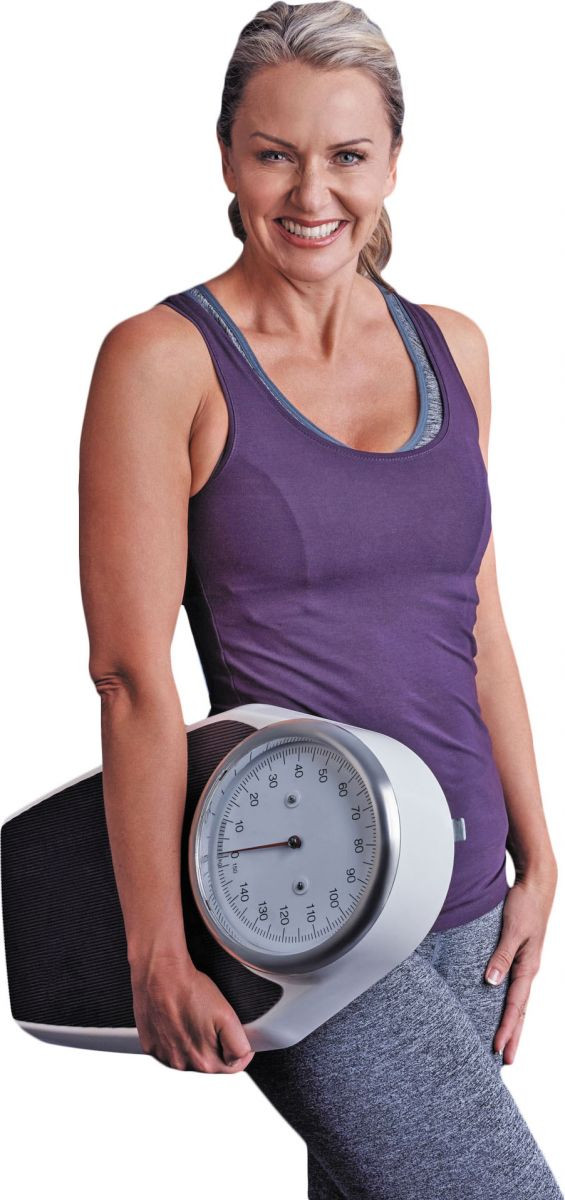
Winning the weight battle after menopause
Lifestyle changes may not always be enough to control biologically driven body changes.
You spend hours in the gym every day. You eat nothing but grilled chicken, fish, and salads. Yet the numbers on the scale don't budge — or worse, they slowly creep up, along with your waist measurement.
Welcome to menopause.
"The change" actually does bring changes for many women, including weight gain that can resist even the most diligent efforts to reverse it, says Dr. Fatima Cody Stanford, instructor in medicine at Harvard Medical School.

HPV vaccine: A vaccine that works, and one all children should get
Human papilloma virus (HPV) causes about 40,000 cases of cancer every year. A long-term study of the HPV vaccine finds it offers protection against many strains of the virus, yet many teens haven’t had this safe, effective vaccine.
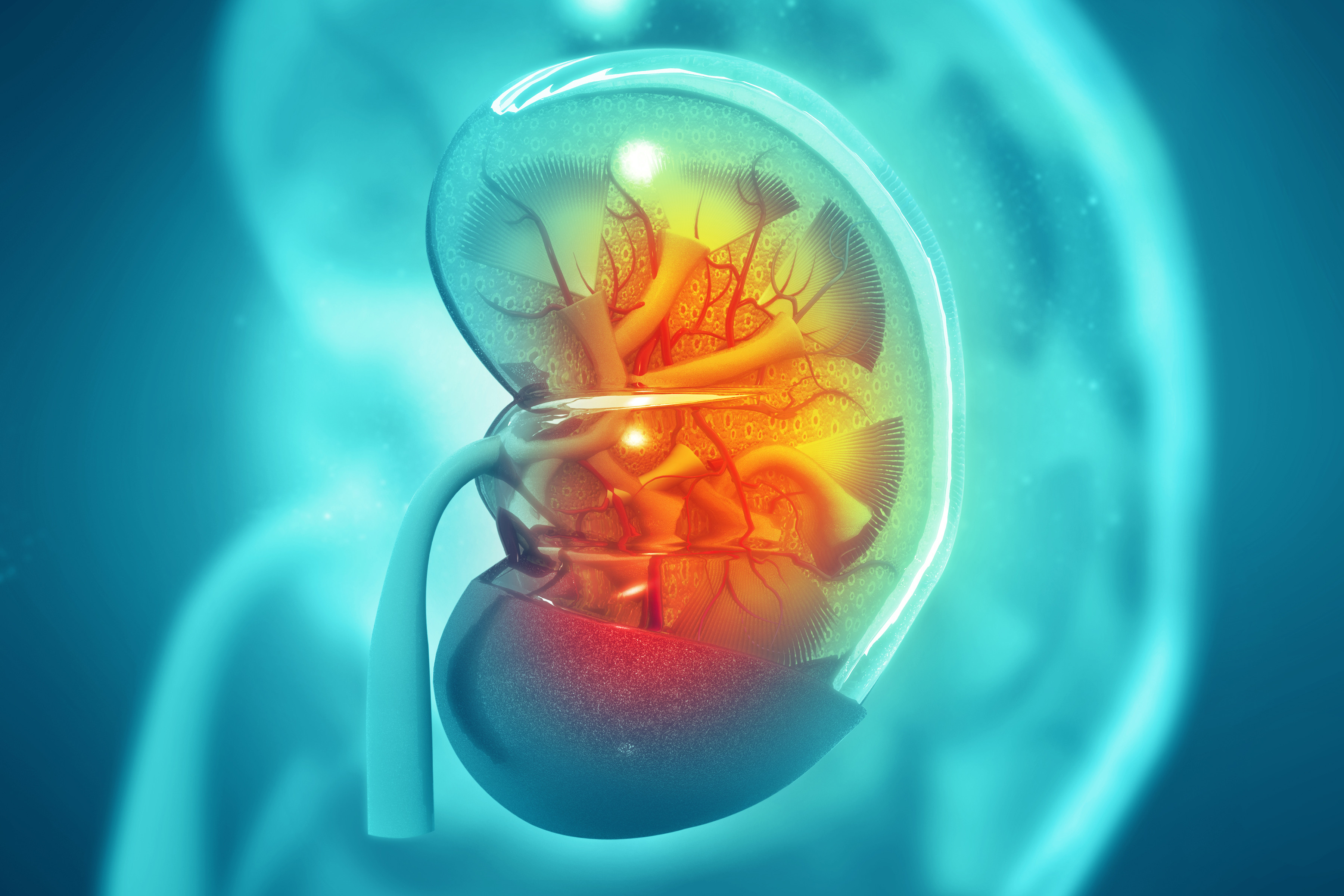
Kidney stones: What are your treatment options?
There are several treatment options for kidney stones. Which is best for you may depend on size and number of stones and their location in the kidney. Imaging and blood tests can help your doctor determine the right course of treatment.
A new therapy for osteoporosis: Romosozumab
Osteoporosis affects 10 million people in the United States, the majority of them women. Romosozumab is a new type of medication for treating osteoporosis that offers another treatment option for some women after menopause.
Hip bursitis vs. arthritis: How to tell the difference
Fitness for longevity: Which type matters most?
Ministrokes linked to elevated risk of dementia
Continuous glucose monitors benefit people who don't need insulin
CoQ10: Should you take this popular supplement if you're on a statin?
Microplastics: A hidden health threat?
Oat vs. dairy milk: Nutrition, benefits, and downsides
What is tempeh? Benefits, nutrition, and how to use it
Healing after food poisoning
Whole grains may improve several heart risk factors at once
Free Healthbeat Signup
Get the latest in health news delivered to your inbox!
Sign Up
