

Hip bursitis vs. arthritis: How to tell the difference

Fitness for longevity: Which type matters most?

Ministrokes linked to elevated risk of dementia

Continuous glucose monitors benefit people who don't need insulin

CoQ10: Should you take this popular supplement if you're on a statin?

Microplastics: A hidden health threat?

Oat vs. dairy milk: Nutrition, benefits, and downsides

What is tempeh? Benefits, nutrition, and how to use it

Healing after food poisoning

Whole grains may improve several heart risk factors at once
Women's Health Archive
Articles

Passing your physical exam
The annual check-up is important for older men. Here is how to make the most out of your visit.
Men have a long reputation for avoiding check-ups, and that resistance tends not to soften when they are older.
"Many older men put off exams because they fear finding out something is wrong," says Dr. Suzanne Salamon, a geriatrician with Harvard-affiliated Beth Israel Deaconess Medical Center. "Also, many of today's baby boomers don't think they will have medical problems associated with age, so it can difficult for the 'younger older men,' like those in their 60s and early 70s, to see their doctor."

Ask the doctors: What determines whether a woman needs a cesarean section?
Ask the doctors
Q: I'm expecting and want to have a vaginal delivery, but many of my friends have had cesarean sections lately. Is this a preference, or are there medical reasons to have a cesarean?
A: The health of the mother and baby, the family's personal preferences, and the hospital in which a woman delivers her baby play a role in determining whether she has a cesarean. Common medical reasons for cesareans include fetal malpresentation (when the baby is turned so that its feet or buttocks will come out first), pelvic disproportion (a birth canal that is unusually shaped or too small in relation to the size of the baby), and a past cesarean. A study published in the Journal of the American Medical Association in December 2015 suggests that such commonly cited medical issues may account only partly for high cesarean rates.
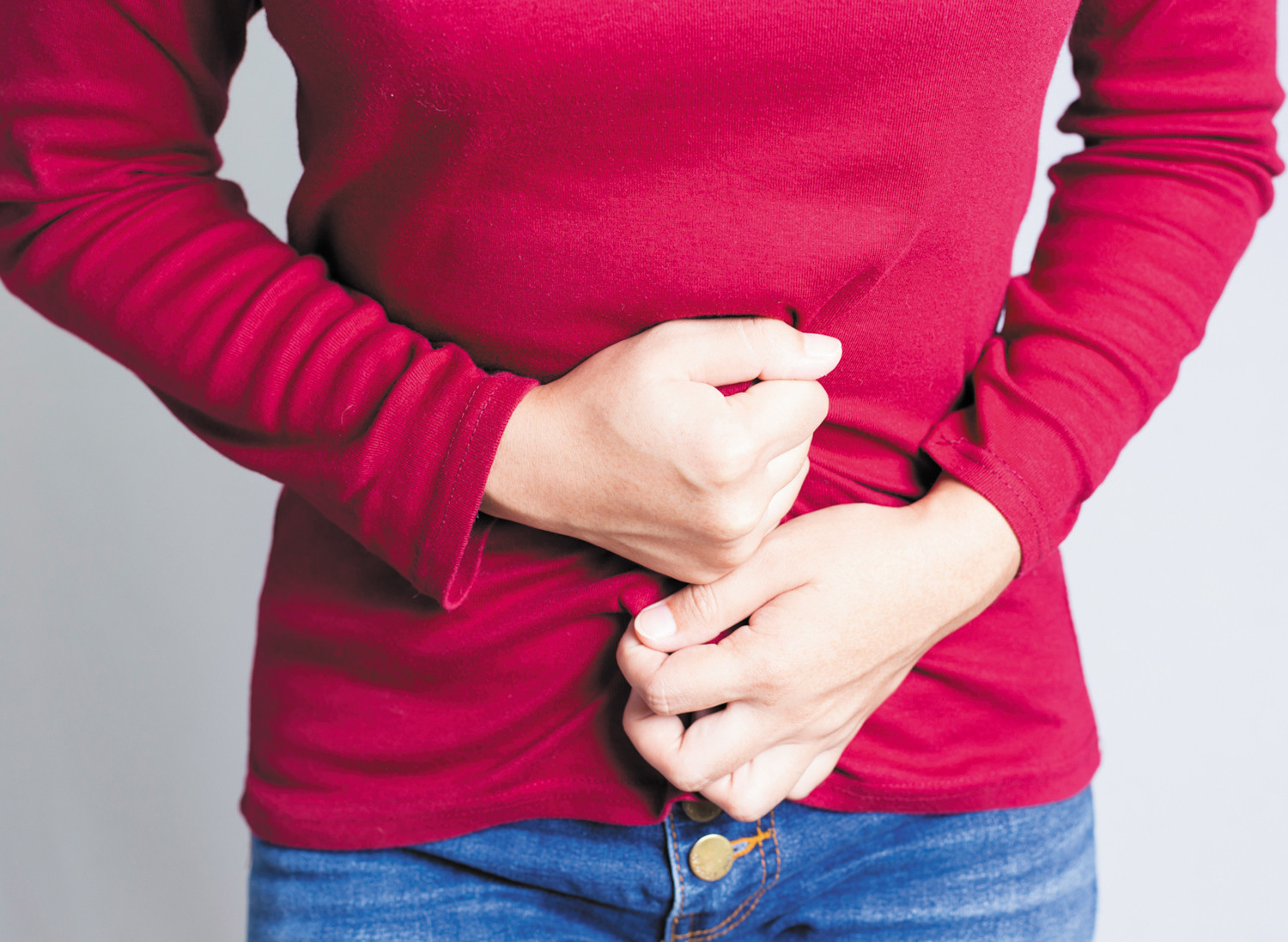
What you should know about fibroids
These uterine tumors, though usually benign, can cause heavy bleeding, cramps, and pregnancy complications. But there are several good options for treatment.
Fibroids—smooth muscle tumors of the uterus—are common, affecting as many as 75% of women. They are rarely cancerous, and they cause symptoms in only about 20% of the women who have them. However, if you're one of those with symptoms like heavy menstrual bleeding, bad cramps, pelvic pressure, constipation, or frequent urination, you know how fibroids can disrupt your life. Even if they don't cause symptoms, they may grow into the uterine cavity, potentially complicating a pregnancy and raising the risk of miscarriage.
"Managing uterine fibroids depends on several factors, such as a woman's symptoms, whether or not she wants to have children, her age, and her personal preferences," says Dr. Hye-Chun Hur, director of the Division of Minimally Invasive Gynecologic Surgery at Harvard-affiliated Beth Israel Deaconess Medical Center and associate medical editor of Harvard Women's Health Watch.

2 points to ponder if you're considering compounded hormones
There is no evidence that so-called "bioidentical" alternatives to prescription hormones are either safe or effective.
Over the past couple of years, science has validated what many women already know: hot flashes and other symptoms of menopause can persist long after menstrual periods stop. It's also well established that estrogen—alone or combined with a progestin—is the most reliable treatment for menopausal symptoms and that, for most postmenopausal women, it is safe to take these hormones for up to five years at doses that relieve hot flashes.
But in 2002 the Women's Health Initiative reported that Prempro—an FDA-approved preparation combining synthetic estrogens with a progestin—increased the risk of cardiovascular disease and breast cancer. Since then, women have shied away from pharmaceutical companies' hormones. A third of women who use hormones for relief of menopausal symptoms are now choosing custom-mixed preparations from compounding pharmacies, according to research sponsored by the North American Menopause Society (NAMS). Women surveyed by NAMS commonly said they believed "natural" or "bioidentical" hormones from compounding pharmacies to be safer than the available FDA-approved hormones.

New depression screening guidelines outline very helpful, yet achievable goals
The U.S. Preventive Services Task Force recently updated their guidelines on screening for depression. This time around, they recommended widespread screening through primary care practices, plus gave special attention to women who are pregnant or recently gave birth. These matter-of-fact, achievable guidelines and goals have the potential to reap enormous health benefits.

Lead poisoning: What everyone needs to know
Even though the use of lead has been regulated for many years, tragedies like the one currently ongoing in Flint, Michigan still occur. Exposure to lead in childhood can have health effects that can change a child’s life forever. We’ve listed steps you can take to keep your child — and everyone in your home — safe from lead poisoning.

What you need to know about Zika virus
Zika, a formerly rare and obscure virus, has recently spread throughout the Pacific islands and the Americas. Although Zika virus rarely makes people seriously ill, it’s been implicated in a huge rise in the number of birth defects in babies born to mothers who’ve had Zika. Although its impact in the U.S. is expected to be much less severe than in warmer climates, we’ve listed some tips to reduce your exposure to the type of mosquito that carries Zika.

Teens and medicines that cause birth defects: Do doctors drop the ball?
Doctors may prescribe medicines for teenage girls — for example for acne, depression, or migraines — that are known to cause birth defects. While most parents and doctors hope that these young women avoid pregnancy for many reasons, adults need to help adolescent girls understand the risks of the medications they take and have frank conversations about sex and birth control.
Is ultrasound an alternative for breast cancer screening?
Ask the doctor
Q. In your discussions of breast cancer screening, you never mention ultrasound. Is it an alternative to mammography?
A. No. Although the FDA has approved an automated breast ultrasound system to be used in addition to mammography for asymptomatic women with dense breasts, there are not enough published data about its effectiveness in screening to support its use. Moreover, ultrasound alone is not an alternative to mammography for routine breast cancer screening because ultrasound cannot pick up the small deposits of calcium (microcalcifications) that can be a sign of breast cancer.

How can I help my daughter deal with her miscarriage?
Ask the doctor
Q. My daughter had a miscarriage a few months ago and since then she has been depressed and withdrawn. Do you know anything I can do to help?
A. Miscarriage can involve a difficult emotional recovery, and many women and their partners are surprised at the intensity of their feelings. Many women who have experienced a miscarriage feel that they have done something wrong. They may worry that the miscarriage resulted from stress or lifestyle choices they made during pregnancy. In fact, most miscarriages are the result of chromosomal abnormalities, structural abnormalities of the uterus, or maternal endocrine or autoimmune disorders.
Hip bursitis vs. arthritis: How to tell the difference
Fitness for longevity: Which type matters most?
Ministrokes linked to elevated risk of dementia
Continuous glucose monitors benefit people who don't need insulin
CoQ10: Should you take this popular supplement if you're on a statin?
Microplastics: A hidden health threat?
Oat vs. dairy milk: Nutrition, benefits, and downsides
What is tempeh? Benefits, nutrition, and how to use it
Healing after food poisoning
Whole grains may improve several heart risk factors at once
Free Healthbeat Signup
Get the latest in health news delivered to your inbox!
Sign Up
