

Hip bursitis vs. arthritis: How to tell the difference

Fitness for longevity: Which type matters most?

Ministrokes linked to elevated risk of dementia

Continuous glucose monitors benefit people who don't need insulin

CoQ10: Should you take this popular supplement if you're on a statin?

Microplastics: A hidden health threat?

Oat vs. dairy milk: Nutrition, benefits, and downsides

What is tempeh? Benefits, nutrition, and how to use it

Healing after food poisoning

Whole grains may improve several heart risk factors at once
Women's Health Archive
Articles
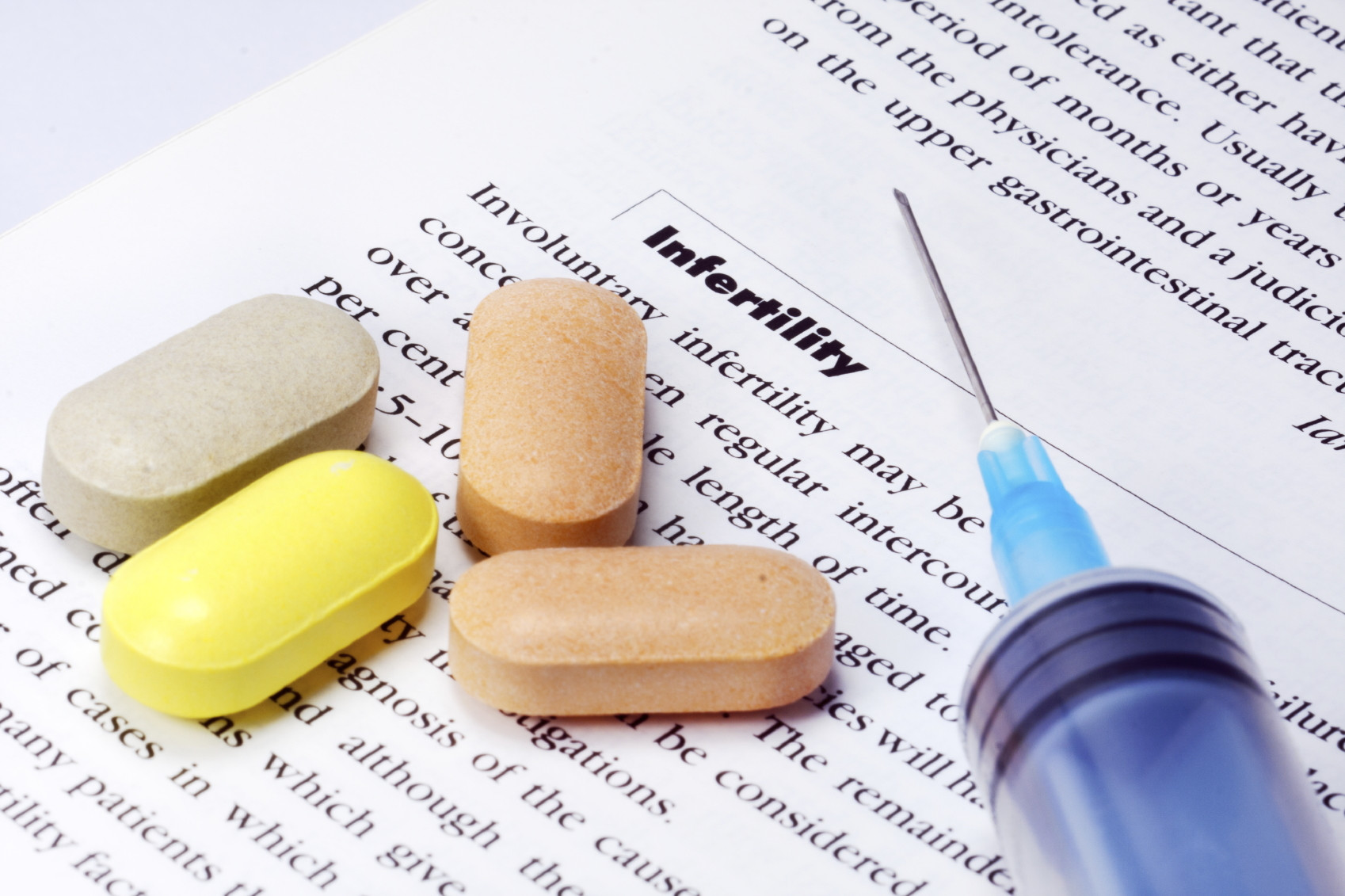
Treating unexplained infertility: Answers still needed
One of the most common treatments for unexplained infertility is ovulation induction, in which a woman takes drugs that will increase the number of eggs the ovary releases in the hope that at least one will result in a pregnancy. But when too many eggs are available for fertilization, the rates of high-risk multiple pregnancies go up. A recent study compared three drugs used for ovulation induction and found that the one more likely to result in a live birth was also more likely to result in a multiple pregnancy (twins, triplets, or more). The options for treating unexplained infertility remain less than ideal, but careful choices mean that the pregnancies that do result will be safer for moms and babies.

Mediterranean diet may prevent breast cancer, but there are other reasons to pour on the olive oil
The PREDIMED study showed that the Mediterranean diet can statistically lower a person’s risk for cardiovascular disease, including heart attacks, strokes, and death from heart-related causes. The data also suggest that a Mediterranean diet is associated with a reduced chance of getting breast cancer. This small analysis has some limitations, but provides another reason to consider this already healthful way of eating.

Increased mammography may find more breast cancers without lowering deaths
Ideally, screening mammography detects small breast cancers so that they can be removed before they grow, metastasize, and kill. To tell whether screening is succeeding, researchers from Harvard and Dartmouth looked at the rates of mammography, the diagnosis of small breast cancers, large breast cancers, and breast cancer deaths in 16 million women 40 or older in the United States from 2000 through 2010. They found that when mammography rates increased 10%, the number of small cancers detected went up 25%, and the number of large cancers increased by 7%. There was no decline in breast cancer deaths. They concluded that mammography is finding—and women are being treated for—small cancers that may not progress to invasive disease or metastasize to other parts of the body.
The results, which were published online July 6, 2015, by JAMA Internal Medicine, echo those of earlier findings. They underscore a dilemma facing women and their doctors: To get annual mammograms and risk being treated for a tumor that may never become harmful, or have mammograms less frequently and risk missing a cancer until it is larger. The U.S. Preventive Services Task force recommends having a mammogram every one to two years for women ages 50 to 79. The American Cancer Society suggests annual mammograms beginning at age 40. You may want to discuss your personal risk profile, and your preferences, with your doctor.

Study gives new insights into obesity and breast cancer
An analysis from the Women's Health Initiative (WHI) suggests not only that postmenopausal women who are overweight or obese have a higher risk of invasive breast cancer than women of normal weight but also that the excess risk increases as a woman's weight rises beyond obesity. The results were published online June 11, 2015, by JAMA Oncology.
A team of investigators from several medical centers studied data on 67,000 postmenopausal women who enrolled in the WHI between 1993 and 1998. They were followed for a median of 13 years. During that time, 3,388 invasive breast cancers were detected. The researchers analyzed the distribution of breast cancer among weight classes and calculated the risks for women who were overweight (body mass index, or BMI, of 25 to 30), obese (BMI 30 to 35), or very obese (BMI over 35) compared with women of normal weight (BMI 25 or less). They found that the increased risk of developing breast cancer ranged from 17% in women who were overweight to 59% in those with a BMI over 35. Among women who began the study at a normal weight, those who gained at least 5% of their original weight had a 12% higher risk of developing breast cancer than those who maintained their original weight. Neither losing weight nor using hormone therapy had a significant effect on risk for women of any weight.
Exercise prevents serious injuries in women who fall
A randomized controlled trial of Finnish women over 70 has demonstrated that regular exercise can significantly reduce the risk of serious injury from a fall. Researchers from Tampere University studied 370 women who had fallen during the previous year. They were randomly divided into two groups. One group of 187 participated in classes in which they learned exercises to increase strength, balance, and agility. They attended exercise class twice a week for a year and once a week the next year. They exercised at home on the days they weren't in class. The women in the control group continued their normal routines. All the women kept daily diaries in which they noted whether they had fallen, and if so, the type of injury they sustained and whether they required medical attention. They mailed their diaries to the researchers every month.
At the end of the period, the number of falls was about the same in both groups: 140 in the exercise group and 141 in the control group. The consequences of those falls, though, differed noticeably between the groups: women in the exercise group had 20 falls requiring medical attention, including eight fractures and six head injuries. That compared with 39 such falls in the control group, involving 14 fractures and 12 head injuries.
Too little — or too much — sleep linked to dementia risk
Participants in the Women's Health Initiative Memory Study (WHIMS) have provided a trove of information. They completed monthly questionnaires and underwent cognitive tests. Those who showed significant decline were also tested for dementia.
Recently, researchers analyzed data from 7,444 participants over 65. They had followed the women an average of seven years. Their report was published online June 15, 2015, by Alzheimer's & Dementia.
Stopping estogen therapy may bring back the blues for some women
As estrogen levels fall during menopause, a woman's risk of depression triples. Estrogen therapy helps elevate mood for some women, but a study published in the May 27, 2015, issue of JAMA Psychiatry has indicated that depression may recur once women stop using estrogen.
A team of researchers at the National Institute of Mental Health studied 56 postmenopausal women, 26 of whom had a history of depression and 30 who had never been depressed. The women were each given an estrogen patch to wear for three weeks and tested for depression. None were depressed.
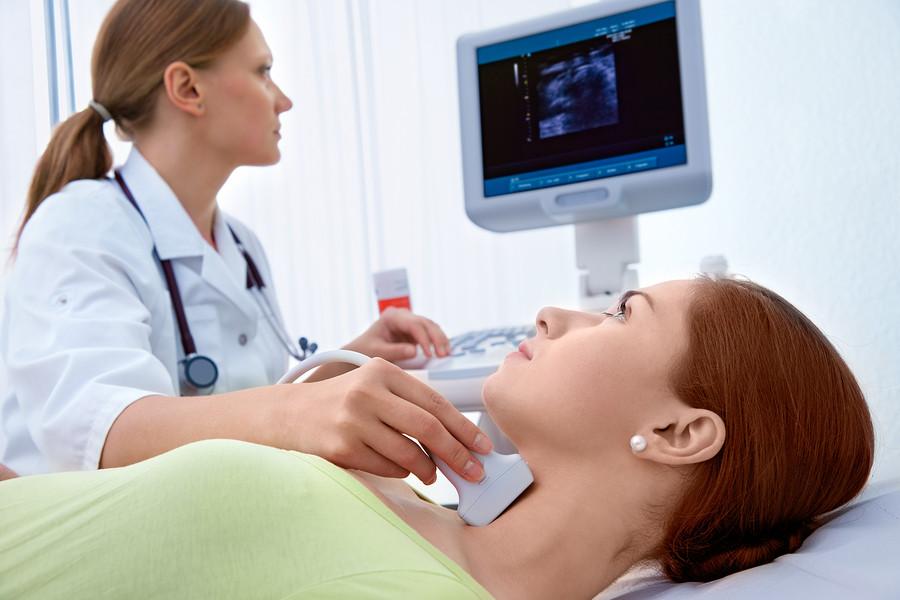

Can't wait to see the doctor? You have choices
Emergency rooms, urgent care clinics, and retail clinics offer immediate care. Your symptoms determine which to use.
You've probably had an illness or injury that you weren't quite sure how to handle. Maybe it was a rattling cough, a finger slammed in a car door, or a rash crawling up your arm. If you can't get in to see your doctor, you have a few options for immediate treatment—the clinic at the nearby shopping mall, an urgent care center, or the emergency room at the nearest hospital. How do you decide which one to go to?

Ask the doctor: My waist has expanded but I haven't gained weight. Is this because I've stopped wearing a belt?
Q. The article in your December 2014 issue about women's waistlines expanding the past few years intrigued me, because I have experienced an increase, and I have not gained weight. My theory is that the styles of the past few years—pants riding low on the hips, no belts at the waist, and loose shirts—may have caused my waist to increase from 24 to 25½ inches. I am 59 years old, so it also could be aging in general, but I still think the belted styles kept women smaller. Am I right?
A. There is no evidence that the physical effect of wearing a belt influences waist circumference. At best, wearing a belt is one way to keep tabs on your waistline. While having to loosen their belt a notch may drive some women to re-examine their diet and exercise routines, it doesn't sound as if you need to do that. I think your alternative explanation that aging is responsible is more likely to be true.
Hip bursitis vs. arthritis: How to tell the difference
Fitness for longevity: Which type matters most?
Ministrokes linked to elevated risk of dementia
Continuous glucose monitors benefit people who don't need insulin
CoQ10: Should you take this popular supplement if you're on a statin?
Microplastics: A hidden health threat?
Oat vs. dairy milk: Nutrition, benefits, and downsides
What is tempeh? Benefits, nutrition, and how to use it
Healing after food poisoning
Whole grains may improve several heart risk factors at once
Free Healthbeat Signup
Get the latest in health news delivered to your inbox!
Sign Up
