

Hip bursitis vs. arthritis: How to tell the difference

Fitness for longevity: Which type matters most?

Ministrokes linked to elevated risk of dementia

Continuous glucose monitors benefit people who don't need insulin

CoQ10: Should you take this popular supplement if you're on a statin?

Microplastics: A hidden health threat?

Oat vs. dairy milk: Nutrition, benefits, and downsides

What is tempeh? Benefits, nutrition, and how to use it

Healing after food poisoning

Whole grains may improve several heart risk factors at once
Alzheimer's Disease Archive
Articles
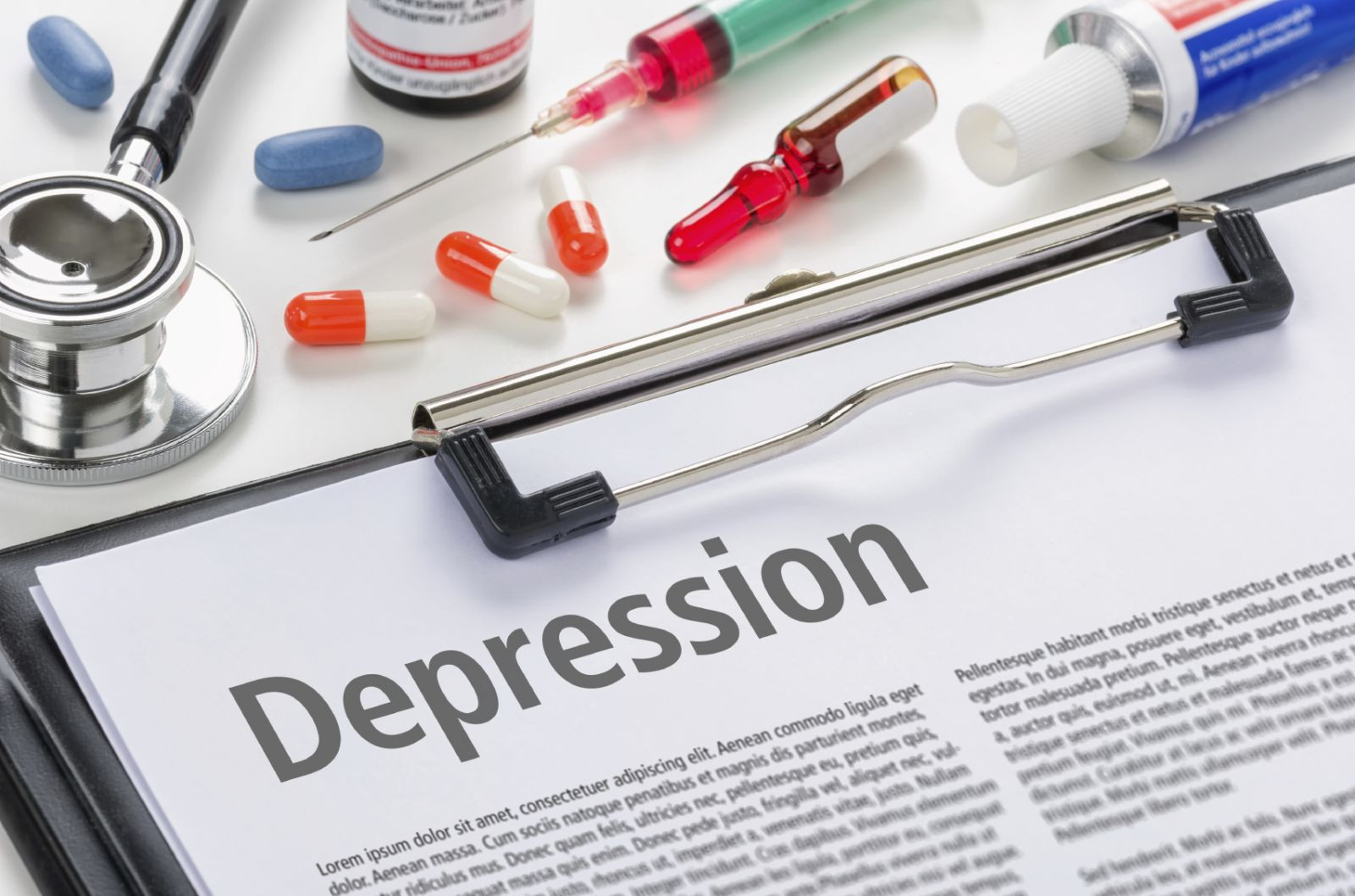
Confirming depression: When extra tests might help
Medical science is making good progress in unraveling the biological underpinnings of depression. Someday, these discoveries may lead to lab tests that can help identify or confirm depression and other mood disorders.
Right now, doctors and therapists rely on the symptoms reported by their patients, along with clinical expertise and experience, to diagnose depression and determine a course of treatment.
Sometimes, though, additional information can help distinguish depression from other problems. That's why your doctor might recommend any of the following tests:

Ask the doctor: Do I need gallbladder surgery?
Q. I've been having abdominal pain that may be due to gallstones. Is surgery the best solution, or are there other things I can try first?
A. The first thing to determine is whether your abdominal pain is in fact due to gallstones. They typically cause pain on the upper right side or in the center of the abdomen just below the breastbone that radiates to the back or right shoulder. The pain is often brought on by eating—especially fatty foods—or may occur at night. Sometimes gallstone pain is accompanied by sweating, bloating, nausea, or vomiting.
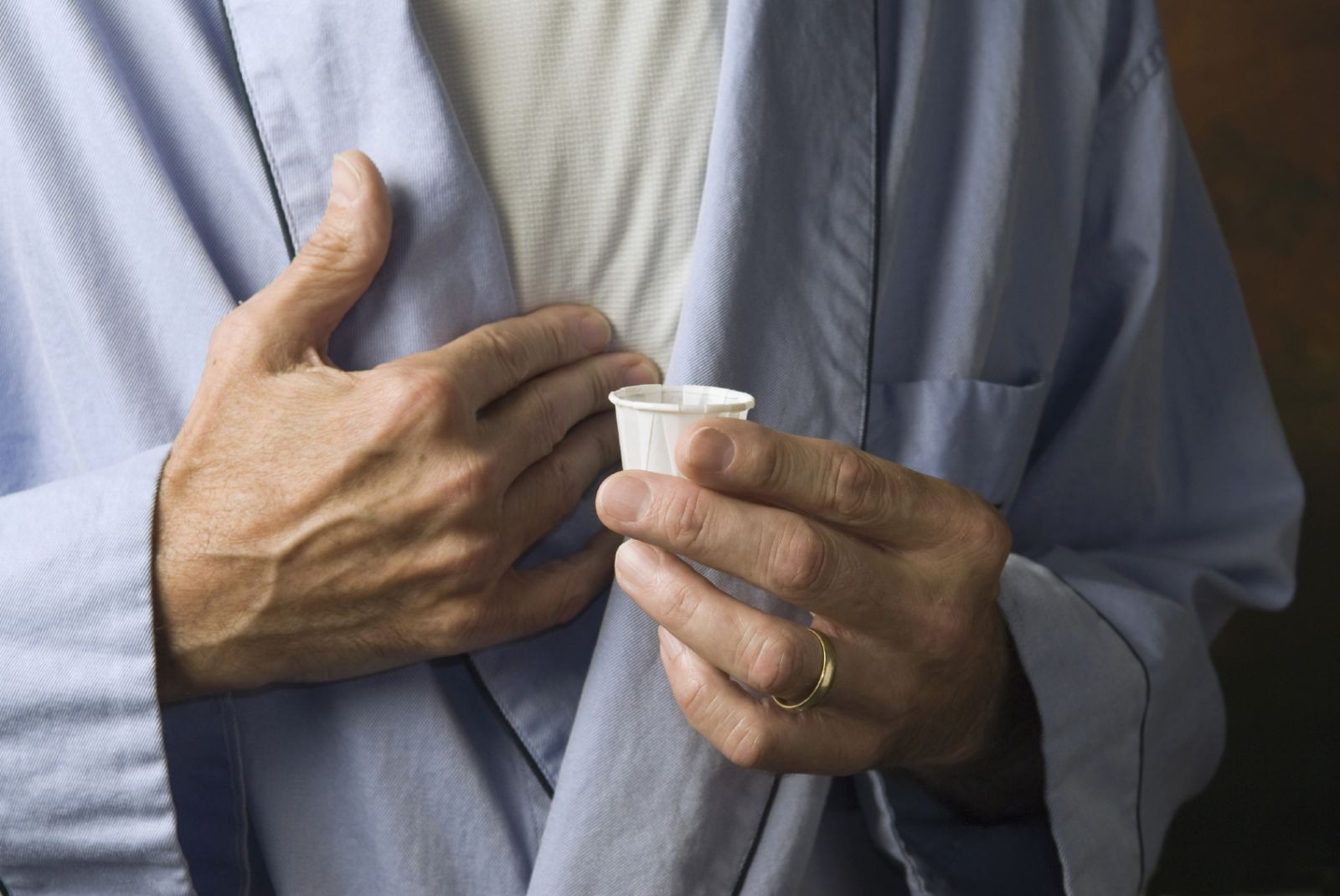
Is your heartburn pill working for you?
| Image: iStock |
For optimal results, you need to take your medication regularly and time it correctly to your meals.
Have you tried to cool the burning discomfort of heartburn with medication and failed to get full relief? If so, a few simple adjustments to optimize your treatment may be all you need.
In the journals: Seniors get no brain boost from omega-3 supplements
A recent study in The Journal of the American Medical Association found that seniors got no mental boost from taking daily omega-3 fatty acid supplements and antioxidant vitamins for four years. On the other hand, that doesn't mean eating a nutritious diet throughout life doesn't promote healthy aging.
The clinical trial involved more than 3,500 people, average age 73. Researchers were primarily testing the ability of daily nutritional supplements to prevent vision loss from age-related macular degeneration (AMD), which damages the light-sensing retina in the back of the eye. Participants also had tests of their mental function every other year in addition to annual eye exams.
Cardioversion for afib
Ask the doctor
Q. I am scheduled for an electrical cardioversion for my atrial fibrillation. What should I expect?
A. Electrical cardioversion is a procedure to convert a fast or irregular heartbeat (such as what happens with atrial fibrillation, or afib) to a normal rhythm. Before the procedure, your cardiologist may recommend a special ultrasound test of your heart to check for blood clots. Cardioversion may dislodge any clots, which can be life-threatening. So if clots are found, the procedure may be delayed for a few weeks, so you can take blood-thinning medications to lower your risk of complications such as stroke.

4 vaccinations you may need
Adults need an annual flu shot and a Tdap booster every 10 years. People over 60 need a shingles shot, and those over 65 should have two pneumonia vaccines.
3 ways to harness positive psychology for a more resilient you
| Image: iStock |
Some intriguing research suggests that positive psychology can help you weather the routine ups and downs of life and also build resilience for times of greater difficulty.
Here are three ways to capture the benefits of positive psychology.
Should all hemorrhoids be treated?
Ask the Doctor
Q. I had a colonoscopy recently and it detected hemorrhoids. I don't have any symptoms. Should I be doing something to get rid of them?
A. Like you, approximately 40% of people with hemorrhoids have none of the common symptoms—bleeding, anal itching, and pain. Their hemorrhoids may be found on a routine physical examination or during a test done for other reasons, such as a colonoscopy for colon cancer screening.

Sidestepping big-toe woes
Wearing high heels with pointed toes is a major cause of bunions. |
For many women, bunions and rigidity are two of the most common—and painful—problems with the big toe. Both are easily treated.
Vigorous exercise may counter cognitive decline in early Alzheimer's
Reports at the Alzheimer's Association International Conference in July 2015 verified that women are at higher risk than men for developing Alzheimer's, and also progress more rapidly from mild cognitive impairment to out-right dementia than men do. But not all the news was bad. A study reported at the meeting indicates that physical exercise can halt, and even reverse, the decline in people with mild cognitive impairment.
In that study, conducted by researchers at Wake Forest University in North Carolina, 65 previously sedentary women and men with mild cognitive impairment exercised at peak capacity for at least 45 minutes four times a week for six months. At the beginning and end of the study, researchers tested participants' cognitive skills and examined their blood and cerebrospinal fluid for levels of tau protein—a principal component of the amyloid plaques associated with Alzheimer's disease. They found that the participants scored significantly higher on the cognitive tests at the end of the study than they had at the beginning. Their tau protein levels had declined substantially as well.
Hip bursitis vs. arthritis: How to tell the difference
Fitness for longevity: Which type matters most?
Ministrokes linked to elevated risk of dementia
Continuous glucose monitors benefit people who don't need insulin
CoQ10: Should you take this popular supplement if you're on a statin?
Microplastics: A hidden health threat?
Oat vs. dairy milk: Nutrition, benefits, and downsides
What is tempeh? Benefits, nutrition, and how to use it
Healing after food poisoning
Whole grains may improve several heart risk factors at once
Free Healthbeat Signup
Get the latest in health news delivered to your inbox!
Sign Up
