

Hip bursitis vs. arthritis: How to tell the difference

Fitness for longevity: Which type matters most?

Ministrokes linked to elevated risk of dementia

Continuous glucose monitors benefit people who don't need insulin

CoQ10: Should you take this popular supplement if you're on a statin?

Microplastics: A hidden health threat?

Oat vs. dairy milk: Nutrition, benefits, and downsides

What is tempeh? Benefits, nutrition, and how to use it

Healing after food poisoning

Whole grains may improve several heart risk factors at once
Alzheimer's Disease Archive
Articles

Exercise: A promising treatment for dementia?
| Image: Thinkstock |
We know that moderate-intensity exercise, such as brisk walking, can both improve thinking skills and slow their decline in older age. Now a trio of studies presented at the July 2015 Alzheimer's Association International Conference suggest that aerobic exercise may even be able to help protect your brain from Alzheimer's and other dementias, and improve your quality of life if you have the disease. One study of 200 adults with Alzheimer's showed that those who engaged in three hour-long exercise sessions a week for 16 weeks had less anxiety, irritability, and depression and better mental speed and attention compared with those who didn't exercise. A study of 65 sedentary older adults with mild cognitive impairment showed that those who took part in 45 to 60 minutes of aerobic exercise four times a week for six months not only had better attention and planning skills, but also better blood flow to the brain and a reduction in dangerous proteins associated with Alzheimer's disease, compared with those who only did stretching exercises. A study of 71 older adults with cognitive impairment due to vascular disease found that those who did an hour of aerobic exercise three times per week for six months improved their thinking skills, memory, and attention compared with those who did not exercise. Although the studies were presented at a scientific meeting, it's only after publication of the full details that scientists can adequately judge a work. Nevertheless, the studies are in line with past research showing that regular exercise may help protect the brain.

Afib cases increasing; pay attention to underlying health conditions
Atrial fibrillation (afib) is affecting far more people than it did 50 years ago, according to a study published July 11, 2015, in The Lancet. Afib is an irregular heartbeat that makes the heart's upper chambers (the atria) quiver, rather than pump steadily. This can lead to the formation of blood clots, which can travel in the blood to the brain and cause a stroke. The Lancet study found that afib cases quadrupled from 1958 to 2007 among 9,500 people. But there is some encouraging news: the study also found that the risk of stroke associated with afib decreased 74% in the last 50 years, and the risk of death decreased 25%.
Why the ups and downs? Researchers point to epidemics of obesity and diabetes as part of the reason, as well as increased awareness of the condition and better detection methods. Meanwhile, improved recognition and treatment of other diseases, such as high blood pressure, may be helping to reduce the cases of stroke and early death linked to afib. So, this study provides further evidence of the importance of maintaining a healthy weight and keeping blood sugar, blood pressure, and cholesterol under control. In addition to reducing the risk of heart disease, stroke, diabetes, and other illnesses, you also reduce the risk of getting afib and developing complications from it.
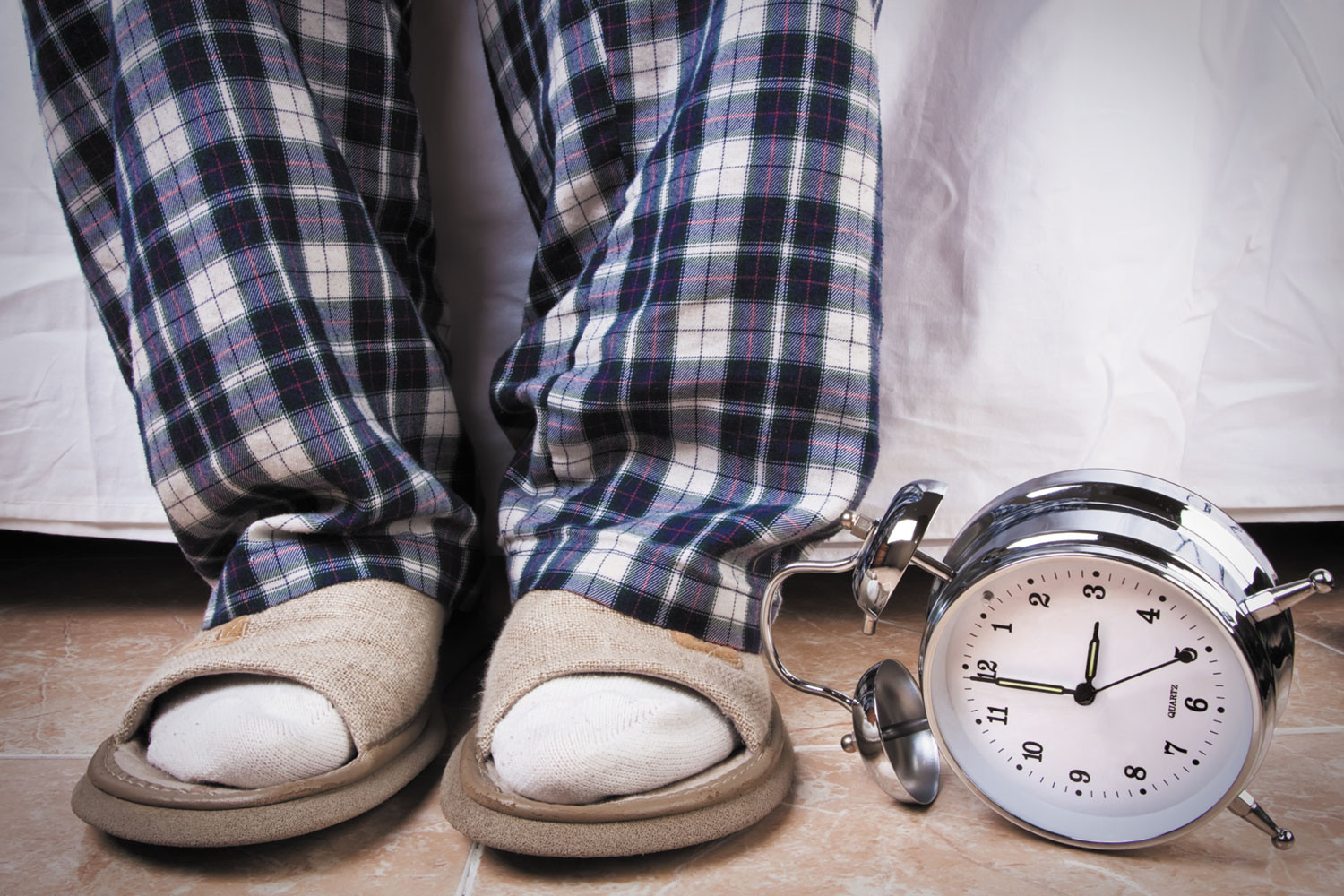
Frequent nighttime urination
Having to rise from bed to hit the bathroom even once can be bothersome if it disturbs your sleep rhythm. Image: Thinkstock |
Repeated nocturnal bathroom calls are bothersome, but self-help steps and targeted treatment offer relief.
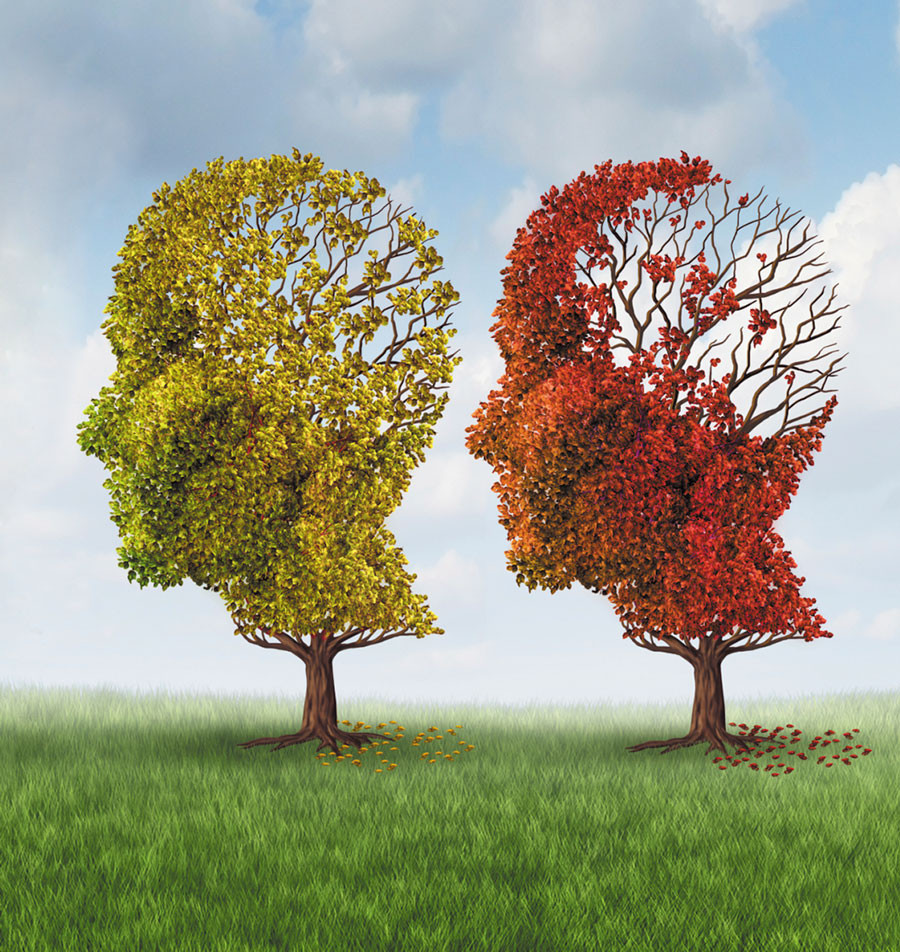
Savor the gifts of the aging mind
| Images: Thinkstock |
With aging, the body and mind change—but it's not all bad.
Aging brings physical changes and a greater risk of health problems—no one needs to tell you that. The mind changes too, and we grumble about things like increased forgetfulness. But the aging mind bestows some gifts, too.

Ask the doctor: Statins and liver tests
Q. My doctor used to check my liver function once a year after I started taking a statin drug to lower my cholesterol, but he doesn't anymore. Why not?
A. Your doctor appears to be following the latest recommendations from the American Heart Association and the FDA. When statin medications were first approved, doctors did periodic blood tests to check for liver injury. Three decades later, it is clear that serious liver injury from statins is a rare side effect and that routine blood testing does not help identify people at risk for statin-related liver problems. Therefore, routine monitoring is not a good use of money and time.

Getting in shape may improve afib symptoms
Image: iStock |
Boosting your fitness level may help decrease the symptoms of the most common heart rhythm disorder, according to a study published online June 22 by the Journal of the American College of Cardiology. The disorder—atrial fibrillation, or afib—causes an irregular, rapid heartbeat that can lead to shortness of breath, dizziness, and fainting.
The study included 308 people with afib who were also overweight or obese, a condition that raises the risk of afib. The participants answered questions about their afib symptoms and underwent tests to determine their fitness levels, which were described in metabolic equivalents, or METs. (METs measure your level of exertion and are based on how much oxy-gen your body uses during activities; sitting still is 1 MET, and brisk walking is 3.)
Easing grief through religion and spirituality
There are many different ways to find comfort when grieving. Some people find that spirituality or organized religion is a source of great solace. Specific rituals and rites — whether sitting shiva, setting up an altar inside your home, or gathering at the cemetery once a year — can draw people together and encourage them to share their grief. Attending religious services can link you with a well-defined community primed to offer help of all sorts. And a kind word, a willing listener, a shared meal, and any number of large and small acts of assistance help keep people afloat and ease their distress after a death.
Religious or spiritual beliefs may also help by lending larger meaning to a loved one's life and death. For some, the belief that a loved one is enjoying the spiritual riches of heaven or preparing for the next turn of the wheel through reincarnation can be comforting. Believing your loved one helps guide you in this world or that you will be reunited in another place after your own death can help you continue to feel connected with the person.
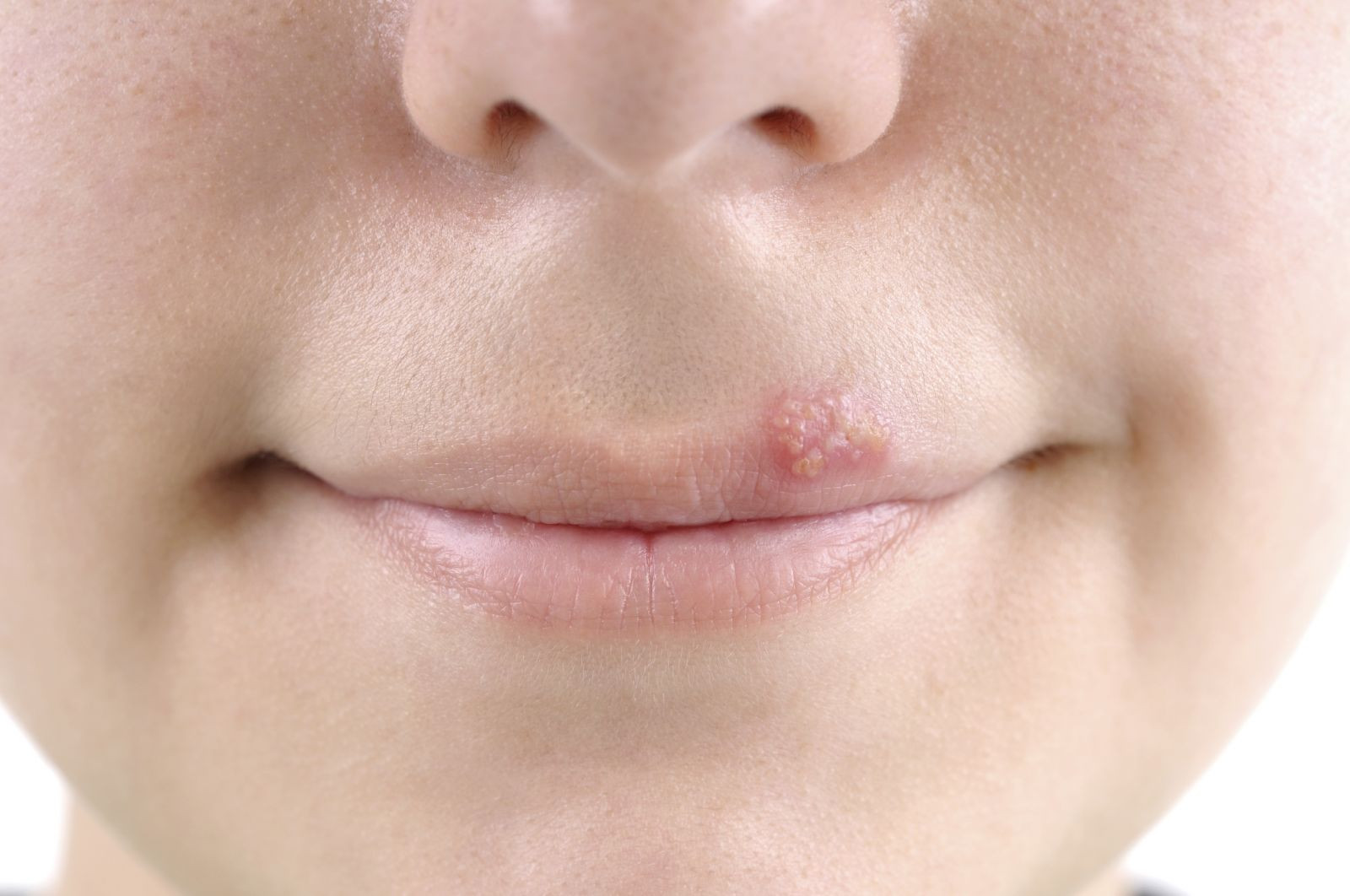
Preventing cold sores
Ask the doctor
Q. What's the fastest way to get rid of a cold sore? Is it possible to prevent them?
A. Cold sores, also called fever blisters, are bothersome and painful fluid-filled blisters on or around the lips. They are caused by infection with herpes simplex virus (usually type 1). Cold sores heal on their own in seven to 10 days. However, antiviral medications can modestly shorten the healing period. One-day treatment with the prescription antiviral drugs famciclovir (Famvir) or valacyclovir (Valtrex) shortens cold sore symptoms by one to two days. These oral medications are most effective when taken at the first sign of a cold sore, such as a burning or tingling sensation. Antiviral creams are less effective and need to be applied several times daily for five days.
Can brain stimulation aid memory and brain health?
| Image: Thinkstock |
The jury is still out, but magnetic fields or mild electric currents may aid learning and help several conditions that affect women in particular.
Stimulating your brain doesn't just mean spending an evening at the theater or reading a good book. These days it can involve sitting with your head against a magnet or wearing electrodes that transmit a low-voltage current through your scalp to activate—or suppress—certain neurons in your brain. The prospect of regulating brain signals responsible for mood, pain, and learning is so compelling that scores of studies are under way to see if, and how, the approach can be used to sharpen mental skills and treat symptoms of several mind-body disorders. "Brain stimulation, if used carefully and safely, looks promising, especially if combined with other therapies," says Dr. Daniel Press, a neurologist with the Berenson-Allen Center for Noninvasive Brain Stimulation at Harvard-affiliated Beth Israel Deaconess Medical Center. Dr. Press has used noninvasive brain stimulation for almost a decade.
Is thyroid hormone causing my recent mood changes?
Ask the doctor
Q. Recently, I felt very agitated and out of control, crying and angry about things I could ordinarily handle with ease. I was starting fights with my husband and others over relatively insignificant issues. I had been taking synthetic thyroid hormone for several decades and had very low levels of thyroid-stimulating hormone in my blood. I've stopped taking the hormone and feel better, but I feel bad about the way I snapped at my friends and family. Could thyroid hormone have been to blame for my behavior?
A. It could very well have been responsible. Low thyroid-stimulating hormone (TSH) levels mean that thyroid hormone levels are increasing. Anxiety, agitation, and restlessness are all signs of hyperthyroidism—an overactive thyroid gland or, in your case, too much thyroid hormone medication. You can let your husband and friends know that your irritability was probably caused by too high a dose of your prescription and not a permanent change in your disposition.
Hip bursitis vs. arthritis: How to tell the difference
Fitness for longevity: Which type matters most?
Ministrokes linked to elevated risk of dementia
Continuous glucose monitors benefit people who don't need insulin
CoQ10: Should you take this popular supplement if you're on a statin?
Microplastics: A hidden health threat?
Oat vs. dairy milk: Nutrition, benefits, and downsides
What is tempeh? Benefits, nutrition, and how to use it
Healing after food poisoning
Whole grains may improve several heart risk factors at once
Free Healthbeat Signup
Get the latest in health news delivered to your inbox!
Sign Up
