

Hip bursitis vs. arthritis: How to tell the difference

Fitness for longevity: Which type matters most?

Ministrokes linked to elevated risk of dementia

Continuous glucose monitors benefit people who don't need insulin

CoQ10: Should you take this popular supplement if you're on a statin?

Microplastics: A hidden health threat?

Oat vs. dairy milk: Nutrition, benefits, and downsides

What is tempeh? Benefits, nutrition, and how to use it

Healing after food poisoning

Whole grains may improve several heart risk factors at once
Alzheimer's Disease Archive
Articles

Too little — or too much — sleep linked to dementia risk
Participants in the Women's Health Initiative Memory Study (WHIMS) have provided a trove of information. They completed monthly questionnaires and underwent cognitive tests. Those who showed significant decline were also tested for dementia.
Recently, researchers analyzed data from 7,444 participants over 65. They had followed the women an average of seven years. Their report was published online June 15, 2015, by Alzheimer's & Dementia.
Could a vitamin or mineral deficiency be behind your fatigue?
The world moves at a hectic pace these days. If you feel like you're constantly running on empty, you're not alone. Many people say that they just don't have the energy they need to accomplish all they need to. Sometimes the cause of fatigue is obvious — for example, getting over the flu or falling short on sleep. Sometimes a vitamin deficiency is part of the problem. It might be worth asking your doctor to check a few vitamin levels, such as the three we've listed below.
- Iron. Anemia occurs when there aren't enough red blood cells to meet the body's need for oxygen, or when these cells don't carry enough of an important protein called hemoglobin. Fatigue is usually the first sign of anemia. A blood test to measure the number of red blood cells and amount of hemoglobin can tell if you have anemia. The first step in shoring up your body's iron supply is with iron-rich foods (such as red meat, eggs, rice, and beans) or, with your doctor's okay, over-the-counter supplements.
- Vitamin B12. Your body needs sufficient vitamin B12 in order to produce healthy red blood cells. So a deficiency in this vitamin can also cause anemia. The main sources of B12 are meat and dairy products, so many people get enough through diet alone. However, it becomes harder for the body to absorb B12 as you get older, and some illnesses (for example, inflammatory bowel disease) can also impair absorption. Many vegetarians and vegans become deficient in B12 because they don't eat meat or dairy. When B12 deficiency is diet-related, oral supplements and dietary changes to increase B12 intake usually do the trick. Other causes of B12 deficiency are usually treated with regular injections of vitamin B12.
- Vitamin D. A deficit of this vitamin can sap bone and muscle strength. This vitamin is unique in that your body can produce it when your skin is exposed to sunlight, but there also aren't many natural food sources of it. You can find it in some types of fish (such as tuna and salmon) and in fortified products such as milk, orange juice, and breakfast cereals. Supplements are another way to ensure you're getting enough vitamin D (note that the D3 form is easier to absorb than other forms of vitamin D).
For more ways to combat fatigue, buy Boosting Your Energy, a Special Health Report from Harvard Medical School.

Best ways to battle irritable bowel syndrome
Get to know your triggers and ways to prevent flare-ups.
| Images: Thinkstock Irritable bowel syndrome may be due to an overgrowth of bacteria in the small intestine or nerve problems. |

Treating melanoma
If a growth or mole looks like a melanoma, the doctor will take a biopsy to confirm the diagnosis. This entails removing either a sample of tissue or else the entire growth and some surrounding skin, and examining the tissue under a microscope to determine whether it's cancer. Depending on how deep a melanoma is, additional tissue may have to be removed. In some cases, lymph nodes may be removed, too. A procedure called sentinel node biopsy can show whether the lymph node nearest the tumor contains any cancer cells. If it does, surgery to remove additional nodes right away can improve survival.
In addition to surgery, treatments for melanoma include immunotherapy (which strengthens the immune system against the cancer), chemotherapy, and radiation therapy. Newer, so-called targeted treatments include drugs that target specific genetic changes seem in people with certain forms of melanoma. For example, about half of melanomas have genetic changes (mutations) in a gene called BRAF, which signals melanoma cells to grow and divide quickly. Drugs that inhibit BRAF, such as vemurafenib (Zelboraf ) and dabrafenib (Tafinlar), and related proteins are now available.

Mediterranean diet: Good for your mind and your heart
Plant-based compounds known as polyphenols are plentiful in the Mediterranean diet, which may explain its health benefits. |
Extra-virgin olive oil and nuts seem to contribute to the benefits.

Can you eat your way to brain health?
A heart-healthy lifestyle is strongly associated with better memory and lower risk of Alzheimer's disease.
The health press is full of claims that "superfoods"—like fresh berries and leafy greens—can keep your memory sharp and hold the threat of Alzheimer's disease at bay. But for now, the evidence is preliminary at best. Your safest bet is to lead an overall heart-healthy lifestyle—including eating a plant-based diet and getting regular exercise—rather than drawing up a shopping list of alleged brain-boosting superfoods.

Injections don't improve physical therapy for knees
Physical therapy is helpful for wear-and-tear knee osteoarthritis, especially if you start doing it early. But injecting a painful knee with an anti-inflammatory steroid medication before starting physical therapy offers no additional benefit, according to a clinical trial in JAMA Internal Medicine.
Studies have shown that physical therapy modestly reduces pain and improves daily functioning in people with knee osteoarthritis. That could mean being able to walk farther with less pain or to continue leisure activities such as gardening. Before you start physical therapy, your doctor may offer to inject the knee with a cocktail of anti-inflammatory steroid medication and an anesthetic. Hypothetically, this could make it easier for you to stick with exercise and therefore lead to better results.

Stay behind the wheel longer
Driving assessment programs evaluate your driving history, family concerns, overall health, thinking, and driving reflexes. They can help you brush up on skills and get up to speed on new driving laws. Image: Thinkstock |
A driving assessment program can help identify your strengths and weaknesses and suggest ways to improve your driving skills.
The sense of freedom and independence that comes with driving is as important at 65 as it is at 16. But driving skills may start to falter as we age, an issue many people choose to ignore. "We all seem to be in denial about driving in our older years. No one wants to give it up. The good news is that you may not have to," says Lissa Kapust, a social worker at Harvard-affiliated Beth Israel Deaconess Medical Center.

When medications make you sensitive to sunlight
Avoid sun exposure or wear sunprotective clothing and sunscreen if you’re taking photosensitizing drugs. Image: Thinkstock |
Wear sunscreen, and avoid direct exposure to the sun.
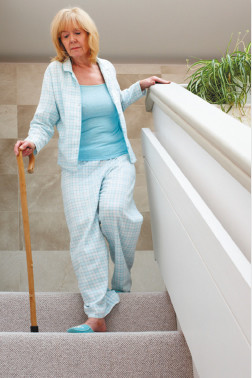
When do you need a new knee?
Intolerable pain or disability can signal that it's time to consider a knee replacement. Image: Thinkstock |
Knee replacements can restore your mobility, but you don't want to get one too soon—or wait too long.
Hip bursitis vs. arthritis: How to tell the difference
Fitness for longevity: Which type matters most?
Ministrokes linked to elevated risk of dementia
Continuous glucose monitors benefit people who don't need insulin
CoQ10: Should you take this popular supplement if you're on a statin?
Microplastics: A hidden health threat?
Oat vs. dairy milk: Nutrition, benefits, and downsides
What is tempeh? Benefits, nutrition, and how to use it
Healing after food poisoning
Whole grains may improve several heart risk factors at once
Free Healthbeat Signup
Get the latest in health news delivered to your inbox!
Sign Up
