

Hip bursitis vs. arthritis: How to tell the difference

Fitness for longevity: Which type matters most?

Ministrokes linked to elevated risk of dementia

Continuous glucose monitors benefit people who don't need insulin

CoQ10: Should you take this popular supplement if you're on a statin?

Microplastics: A hidden health threat?

Oat vs. dairy milk: Nutrition, benefits, and downsides

What is tempeh? Benefits, nutrition, and how to use it

Healing after food poisoning

Whole grains may improve several heart risk factors at once
Atrial fibrillation Archive
Articles

How many cups of coffee per day are safe?
Drinking up to five cups of coffee per day is safe for most people and may lower the risk of heart disease and stroke, according to a 2026 statement from the American Heart Association.
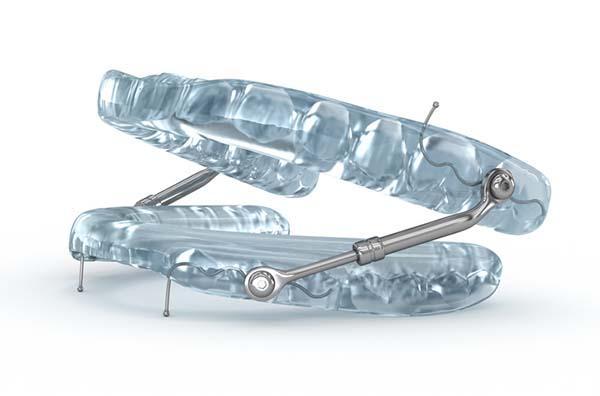
For sleep apnea, a dental device may be as effective as CPAP
For people with sleep apnea and hypertension, using a mandibular advancement device provided similar blood pressure control and less daytime sleepiness as continuous positive airway pressure, according to a 2026 study.
Can you treat inflammation to lower heart risk?
While a large study found that a drug to lower inflammation failed to prevent heart attacks and related risk, inflammation is still important in the development of coronary artery disease.
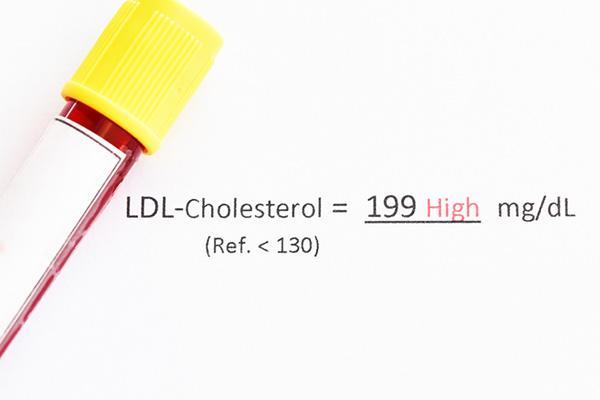
LDL cholesterol: Will it increase on a low-carb or keto diet?
Low-carb diets can have varied effects on LDL cholesterol levels based on a person’s body mass index. In lean people, LDL cholesterol values can rise dramatically, while levels may decline in people with obesity.
Top questions about heart valve replacement
Replacement heart valves, which are mechanical (made of metal or carbon) or tissue (made from heart tissue from a cow or pig), are inserted during either open-heart surgery or a minimally invasive procedure. The best option for each person depends on age and other factors.
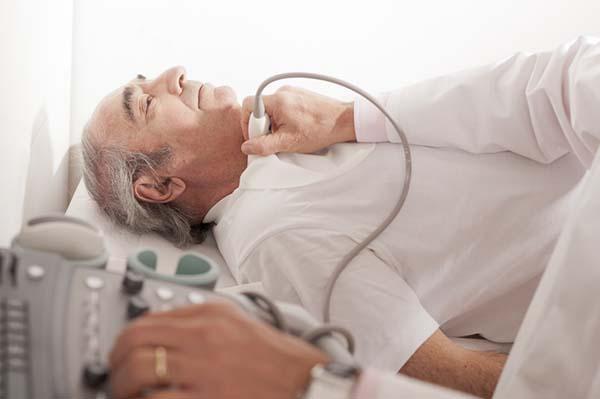
What does carotid artery dissection mean?
Carotid artery dissection can affect blood flow to the brain. Explore possible symptoms, causes, and the tests and treatments doctors may consider.
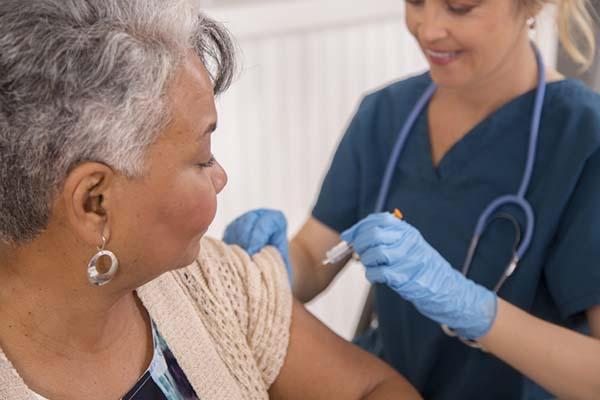
Shingrix shingles vaccine linked with lower heart disease risks
Avoiding a painful shingles attack is reason enough to get vaccinated, but protecting your heart may be another. A major study found that people who received two doses of the Shingrix vaccine have a 9% lower risk of serious heart-related issues over seven years compared to those who got the old Zostavax vaccine.
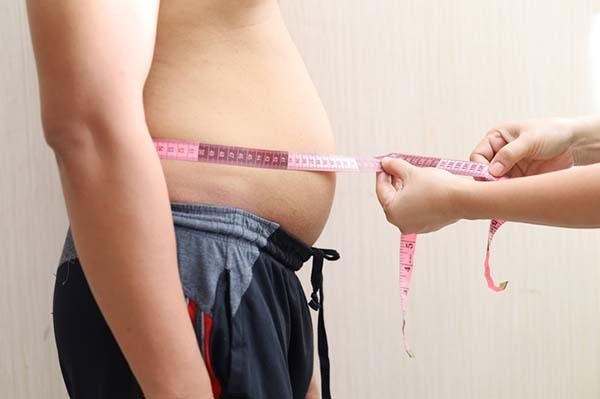
Where you carry excess weight matters in predicting heart disease risk
A 2026 study found that larger waist measurements increased heart disease-related risks, even among people with normal weight. Obesity with a small waist conferred no greater risks compared to people with normal weight and a small waist.
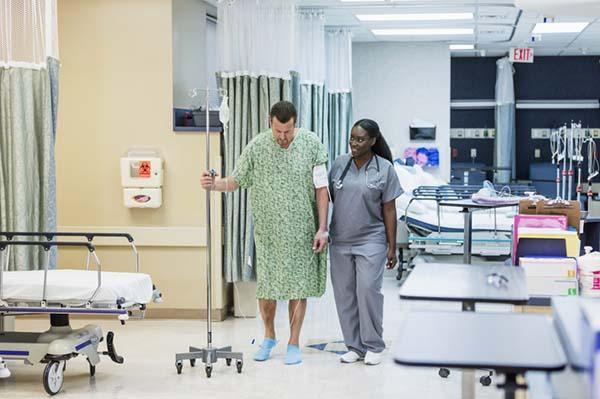
Recovering from open-heart surgery
Open-heart surgery leaves people with a long chest incision and a lengthy recovery. Most of the precautions that people must follow during the first four to six weeks after surgery are to protect the incision and the breastbone while they heal.

What is labile hypertension?
Labile hypertension refers to blood pressure that fluctuates more dramatically than usual. Possible contributors to blood pressure elevations include stress, diet, and medication. Deep sleep and very warm weather can cause blood pressure dips.
Hip bursitis vs. arthritis: How to tell the difference
Fitness for longevity: Which type matters most?
Ministrokes linked to elevated risk of dementia
Continuous glucose monitors benefit people who don't need insulin
CoQ10: Should you take this popular supplement if you're on a statin?
Microplastics: A hidden health threat?
Oat vs. dairy milk: Nutrition, benefits, and downsides
What is tempeh? Benefits, nutrition, and how to use it
Healing after food poisoning
Whole grains may improve several heart risk factors at once
Free Healthbeat Signup
Get the latest in health news delivered to your inbox!
Sign Up
