

Hip bursitis vs. arthritis: How to tell the difference

Fitness for longevity: Which type matters most?

Ministrokes linked to elevated risk of dementia

Continuous glucose monitors benefit people who don't need insulin

CoQ10: Should you take this popular supplement if you're on a statin?

Microplastics: A hidden health threat?

Oat vs. dairy milk: Nutrition, benefits, and downsides

What is tempeh? Benefits, nutrition, and how to use it

Healing after food poisoning

Whole grains may improve several heart risk factors at once
Atrial fibrillation Archive
Articles

Updated advice for people with both diabetes and heart disease
The latest recommendations focus on newer medications, lifestyle changes, and procedures.
If you have heart disease, following a healthy diet and getting regular exercise should be a top priority. Both habits can help you reach and stay at a healthy weight and lower your blood pressure and cholesterol level. Chances are you'll also need to take medications to further improve those common heart-related risk factors. But if you also have diabetes, you may need even more aggressive treatment, according to new advice from the American Heart Association.
The recommendations, published May 12, 2020, in the journal Circulation, detail the latest evidence about treatments for people with both heart disease and diabetes. Diabetes, which affects about one in 10 adults, doubles the odds of having a heart attack or stroke (see "Why is diabetes hard on your heart?").

Can high-tech heart scans help prevent heart attacks?
Cardiac CT angiography is gaining ground as a fast, effective way to diagnose coronary artery disease.
If you experience a short-lived squeezing sensation or discomfort in your chest when you exercise or feel stressed, one possible cause is inadequate blood flow to the heart. Known as stable angina, this condition suggests you have heart disease and may be at risk for a heart attack.
Doctors can use a number of different tests to diagnose (or rule out) inadequate blood flow to the heart muscle. The first step is frequently a type of stress test, which checks the heart's electrical activity, muscle function, or blood flow patterns while the heart is under stress from exercise or medication. Stress tests can identify areas of reduced blood flow, which suggest a narrowing in the artery that supplies that part of the heart.

Grain of the month: Barley
You may be familiar with the claims featured on packages of old-fashioned oatmeal, which note that "As part of a heart-healthy diet, the soluble fiber in oatmeal can help reduce cholesterol." Guess what? Back in 2008, the FDA also approved the equivalent health claim for barley products.
In fact, barley contains about three times as much fiber per serving as oats. Barley is particularly rich in a type of soluble fiber known as beta glucan, which is recognized for its cholesterol-lowering abilities. Barley is also a good or excellent source of several vitamins and minerals.

Lifestyle changes are important for managing atrial fibrillation
Many lifestyle factors can influence the development of atrial fibrillation, and doctors now better understand the importance of these factors in treating afib. Those who are at risk of developing afib can take action to improve their health, and in some cases they may be able to reduce their symptoms.

Pain relief that's safe for your heart
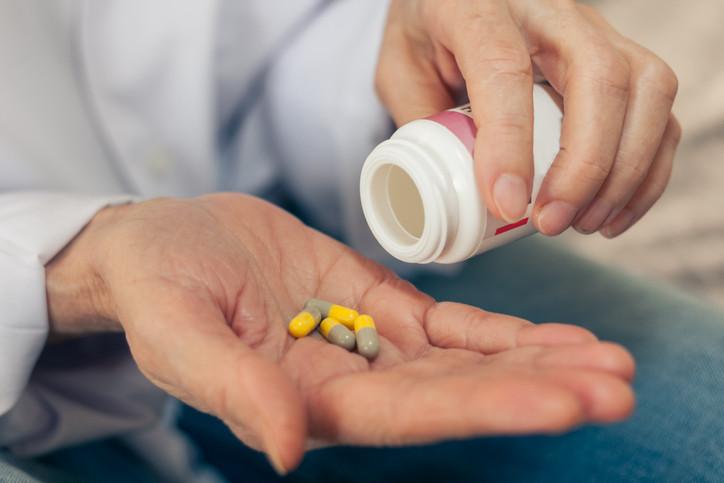
The popular painkillers known as NSAIDs include aspirin, ibuprofen, naproxen, and the prescription drug celecoxib. All except aspirin may slightly increase the risk of a heart attack, but naproxen appears to be the least risky.
Dietary supplements: Sorting out the science
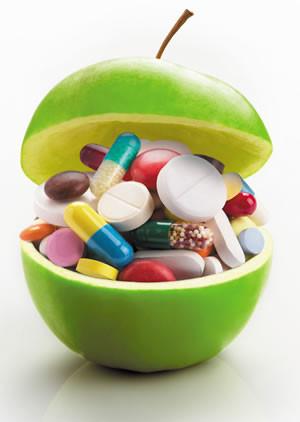
About half of American adults take dietary supplements, including many who hope to prevent or treat heart disease.



Hip bursitis vs. arthritis: How to tell the difference
Fitness for longevity: Which type matters most?
Ministrokes linked to elevated risk of dementia
Continuous glucose monitors benefit people who don't need insulin
CoQ10: Should you take this popular supplement if you're on a statin?
Microplastics: A hidden health threat?
Oat vs. dairy milk: Nutrition, benefits, and downsides
What is tempeh? Benefits, nutrition, and how to use it
Healing after food poisoning
Whole grains may improve several heart risk factors at once
Free Healthbeat Signup
Get the latest in health news delivered to your inbox!
Sign Up
