
Is it aging, or something more?

Consensus grows for widening use of menopausal hormone therapy

Early medically induced menopause may increase cardiovascular risks

Do you need a DEXA scan earlier than you thought?
Best walking shoes: Which ones are right for older adults?

Acetaminophen vs. ibuprofen: Which should you take?
Hip bursitis vs. arthritis: How to tell the difference

Fitness for longevity: Which type matters most?

Ministrokes linked to elevated risk of dementia

Continuous glucose monitors benefit people who don't need insulin
Blood Pressure Archive
Articles

Top causes of blood clots in the legs and how to avoid them
Blood clots in the legs (deep-vein thrombosis, or DVT) can break loose and travel through the veins to the heart and then to the lungs, causing a dangerous pulmonary embolism. Common triggers for blood clots include being bedridden for long periods; sitting for long periods in a car, plane, or train; or getting too little activity and sitting too much. To avoid blood clots in the legs, it helps to hydrate, get up from sitting every hour or two and stretch the legs, move the legs while lying down, or wear compression stockings.

Veins are a key player in the body: Here's why
Thousands of miles of veins throughout the body bring blood to the lungs to pick up oxygen and nutrients, and get rid of carbon dioxide before returning to the heart to be pumped out again. How do veins work, what problems can occur, and how can you keep these vital blood vessels healthy?
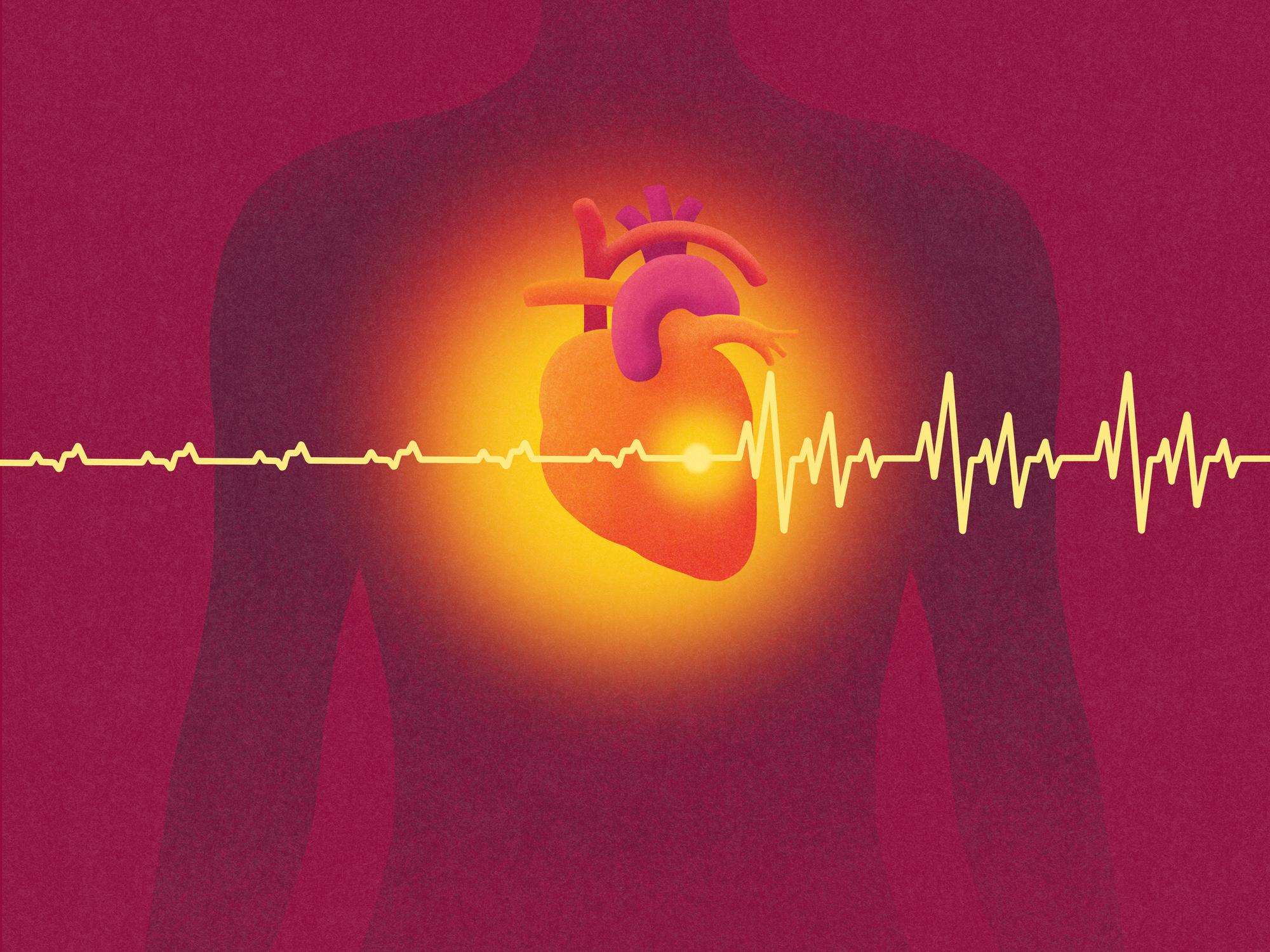
Test your knowledge on atrial fibrillation (A-fib)
Atrial fibrillation affects millions of Americans, but how much do you know about this common heart condition? Take our 10-question quiz and learn something new with every answer.

Morning routines that lower blood pressure
Mornings can be a good time to establish routines to help lower blood pressure throughout the day. These include eating a healthy breakfast, limiting dietary salt, and getting regular exercise.
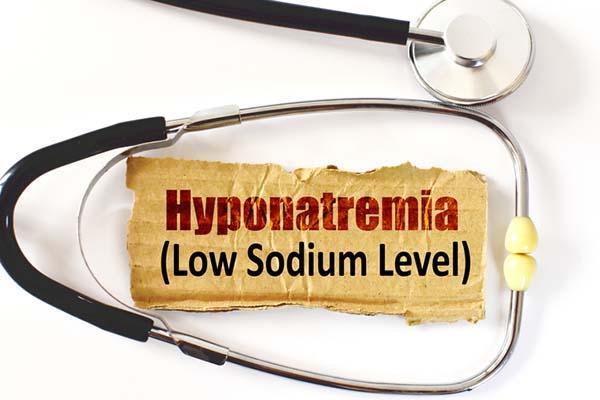
Preventing and treating low sodium levels
Treating low blood sodium (hyponatremia) may include cutting back on fluids, but not necessarily consuming more salt. Other possible treatments include medication adjustments and—in severe cases—receiving an intravenous saline solution.

Reading the current blood pressure guidelines
To protect against heart attack, stroke, and cognitive decline, people should aim for a blood pressure reading below 130/80, according to the current blood pressure guidelines.

Light exposure at night may raise risk for heart disease
Sleeping in a dark room may do more than improve sleep; it may also benefit heart health. A 2026 study linked nighttime light exposure with harmful changes in heart structure and higher risks of heart failure, atrial fibrillation, heart attack, stroke, and death from heart disease.

Children of centenarians may stay healthier and live longer too, study finds
In three long-term studies, children of centenarians had lower rates of high blood pressure when compared with others whose parents had shorter life spans. They also tended to have less heart disease, develop health problems later, and live about three years longer.

Monitoring blood pressure at home? Make sure you follow these steps
Your doctor may ask you to track your blood pressure at home to help decide if you need to start taking medication or to track your response to treatment. Here's how to get accurate readings.

What are the consequences of stopping Toprol XL for an extended period of time?
If you’ve stopped or are considering stopping Toprol XL for an extended time, find out what to consider and when to talk with your doctor.
Is it aging, or something more?
Consensus grows for widening use of menopausal hormone therapy
Early medically induced menopause may increase cardiovascular risks
Do you need a DEXA scan earlier than you thought?
Best walking shoes: Which ones are right for older adults?
Acetaminophen vs. ibuprofen: Which should you take?
Hip bursitis vs. arthritis: How to tell the difference
Fitness for longevity: Which type matters most?
Ministrokes linked to elevated risk of dementia
Continuous glucose monitors benefit people who don't need insulin
Free Healthbeat Signup
Get the latest in health news delivered to your inbox!
Sign Up