

Hip bursitis vs. arthritis: How to tell the difference

Fitness for longevity: Which type matters most?

Ministrokes linked to elevated risk of dementia

Continuous glucose monitors benefit people who don't need insulin

CoQ10: Should you take this popular supplement if you're on a statin?

Microplastics: A hidden health threat?

Oat vs. dairy milk: Nutrition, benefits, and downsides

What is tempeh? Benefits, nutrition, and how to use it

Healing after food poisoning

Whole grains may improve several heart risk factors at once
Brain health Archive
Articles

Stopping the vicious cycle of rebound headaches
People who get frequent headaches and need to take medication at least 15 days a month may be at risk for medication overuse headaches, or “rebound headaches.” Treatment depends on the medication being taken.

A major change for daily aspirin therapy
New recommendations could affect millions of people.
You may remember a time when taking a daily baby aspirin was almost a rite of passage for generally healthy older adults. The idea was that, for people with a low to moderate risk for heart disease, aspirin therapy was a simple and cost-effective way to help prevent a heart attack or stroke.
But taking aspirin increases the risk for bleeding in the stomach and brain (see "How aspirin affects the body").

How many caffeine servings trigger migraine headaches?
News briefs
Last month we told you about new medications to treat migraine headaches. Now a small Harvard study published Aug. 8, 2019, in The American Journal of Medicine offers a reminder about the importance of limiting migraine triggers. For six weeks, 100 adults with frequent migraines were asked to record daily intake of caffeinated coffee, tea, soda, and energy drinks; alcohol intake; activity levels; stress; and sleep times. They also recorded their headache episodes. Researchers looked at each study participant's risk of having a headache on a given day in relation to his or her consumption of caffeinated beverages. Having three or more servings of caffeinated drinks in a day was associated with higher odds of having a migraine on that day or the following day. However, having one to two servings of caffeinated beverages was not associated with migraines. Does that mean people prone to migraines can safely enjoy up to two caffeinated drinks per day? Not quite. The study is only observational and doesn't prove that any amount of caffeine will or won't cause migraines. But if you are prone to migraines, watch your headache triggers, and perhaps keep a journal of daily activity (including caffeine intake) to help discover your trigger limits.
Image: Mike Watson Images/Getty Images

Blood test may find early signs of Alzheimer's
In the journals
A new study found that a simple blood test can detect beta-amyloid protein buildup in a person's brain years before Alzheimer's disease symptoms appear. The results were published online Aug. 1, 2019, by the journal Neurology.
High amounts of beta-amyloid can clump together and form plaques on the brain, which is strongly associated with Alzheimer's disease. Other research has found that amyloid plaques can appear as early as 20 years before the first sign of Alzheimer's symptoms, such as cognitive decline and memory loss.

Recurrent headaches in children: What to know and do
Most children have an occasional headache, but some children get recurrent headaches. These often run in families and may be migraine or tension headaches or might stem from other causes.
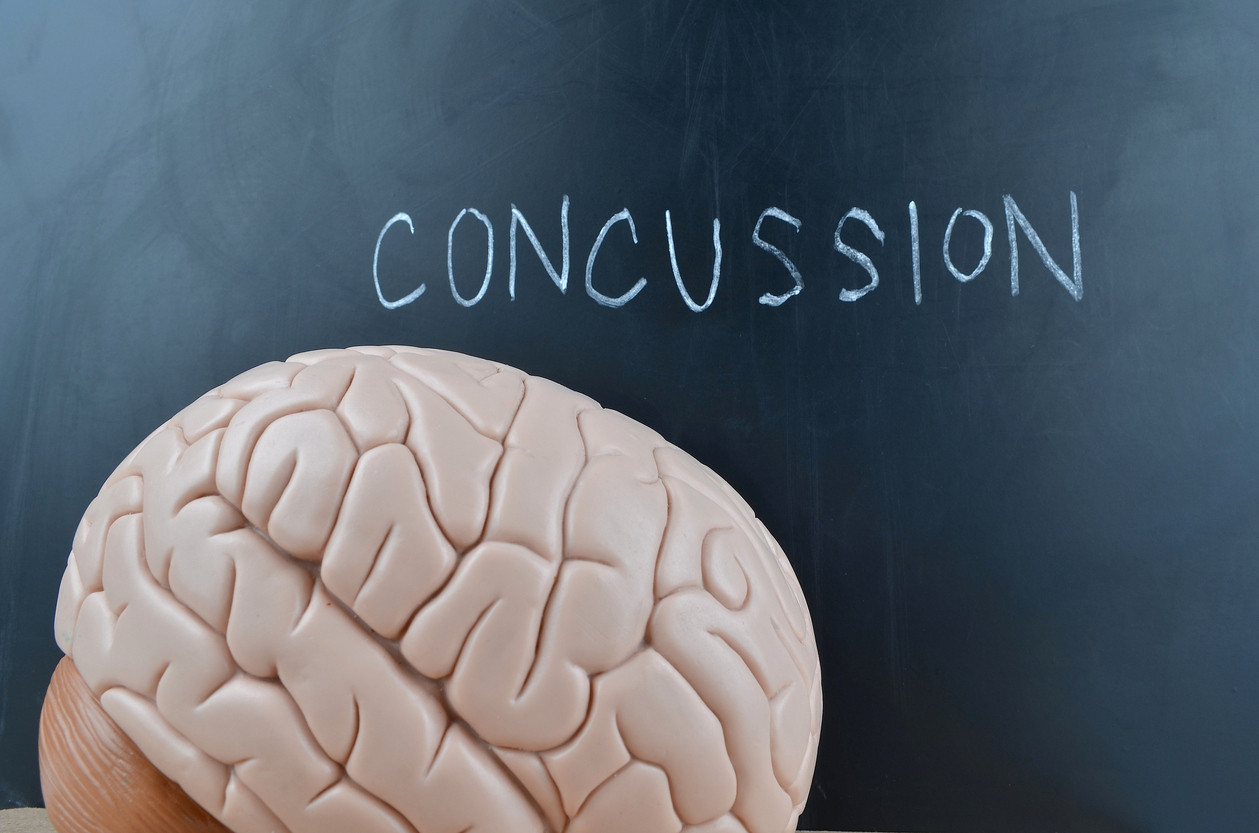
Is there really a blood test to diagnose concussion?
Can a blood test tell whether or not you have a concussion? It’s not quite that simple. There is a test that indicates the presence of substances released into the blood after a brain injury, but for now it is more useful for identifying situations when a CT scan is not necessary.

Are the new migraine medications working?
Doctors say three recently approved migraine prevention drugs are helping people have fewer headaches.
For people with frequent, debilitating migraine headaches, 2018 brought encouraging news. The FDA approved three new medications — erenumab (Aimovig), fremanezumab (Ajovy), and galcanezumab (Emgality) — the first drugs designed specifically to prevent migraines and reduce their frequency, intensity, and duration.
It was a big development, since other medications used to stop migraines were created to control other conditions, such as seizures, depression, high blood pressure, or an irregular heartbeat. But their side effects (such as weight gain, dizziness, or fuzzy thinking) often cause people to skip treatment.
Study links certain medications to a higher risk of dementia
But some experts say limitations of the study raise questions about the results.
Could one of your regular pills raise your risk of dementia? A study published online June 24 by JAMA Internal Medicine found that people over age 55 who took a daily dose of certain common drugs for approximately three years had a 50% higher risk of developing dementia.
The medicines in question are in a category known as anticholinergics, which are used to treat conditions as diverse as depression, urinary incontinence, allergies, and Parkinson's disease. The study's authors say the findings should prompt doctors to use caution or potentially even avoid prescribing certain medications to people over age 45 on a long-term basis if there are other options available.

Does Botox reduce the frequency of chronic migraine?
People who experience chronic migraine headaches may benefit from treatment with botulimun neurotoxin (Botox), though other treatments such as medication are usually tried first.

Your risk of dementia: Do lifestyle and genetics matter?
Clinical trials for drugs to stop or slow the progression of dementia have not been successful. A recent study attempted to determine how much influence, if any, genetic and lifestyle factors may have on the development of dementia.
Hip bursitis vs. arthritis: How to tell the difference
Fitness for longevity: Which type matters most?
Ministrokes linked to elevated risk of dementia
Continuous glucose monitors benefit people who don't need insulin
CoQ10: Should you take this popular supplement if you're on a statin?
Microplastics: A hidden health threat?
Oat vs. dairy milk: Nutrition, benefits, and downsides
What is tempeh? Benefits, nutrition, and how to use it
Healing after food poisoning
Whole grains may improve several heart risk factors at once
Free Healthbeat Signup
Get the latest in health news delivered to your inbox!
Sign Up
