

Hip bursitis vs. arthritis: How to tell the difference

Fitness for longevity: Which type matters most?

Ministrokes linked to elevated risk of dementia

Continuous glucose monitors benefit people who don't need insulin

CoQ10: Should you take this popular supplement if you're on a statin?

Microplastics: A hidden health threat?

Oat vs. dairy milk: Nutrition, benefits, and downsides

What is tempeh? Benefits, nutrition, and how to use it

Healing after food poisoning

Whole grains may improve several heart risk factors at once
Brain health Archive
Articles

Ultra-processed foods linked to poor heart health
Research we're watching
Eating ultra-processed foods — such as packaged snacks, sugary cereals and drinks, chicken nuggets, and instant soup — may leave people more prone to heart disease and an early death, two new studies suggest. Both were published May 29 in The BMJ.
One study followed more than 105,000 adults for just over five years. Researchers found that for every 10% increase in the amount of ultra-processed foods people ate, their risk of a heart attack, stroke, or other serious cardiovascular event was 12% higher. The other study tracked nearly 20,000 people over an average of 10 years. People who ate more than four servings of ultra-processed foods daily had a 62% higher risk of dying from all causes compared with those who ate only two servings per day.

Urinary tract infections: A possible trigger for stroke
Research we're watching
Infections — especially those in the urinary tract, known as UTIs — may raise the risk of a stroke, a new study finds.
Researchers examined the electronic medical records of more than 191,000 stroke patients to see if they'd been hospitalized or gone to an emergency room for an infection shortly before the stroke. They tracked infections of the abdomen, blood, respiratory tract, skin, or urinary tract.

Good oral health may help protect against Alzheimer’s
In the journals
Gingivitis (gum disease) has been linked to a higher risk of heart disease, but a recent study says that the bacteria that cause gingivitis also may be connected to Alzheimer's disease. The study was published Jan. 23, 2019, in Science Advances.
Scientists have previously found that this species of bacteria, called Porphyromonas gingivalis, can move from the mouth to the brain. Once in the brain, the bacteria release enzymes called gingipains that can destroy nerve cells, which in turn can lead to memory loss and eventually Alzheimer's.
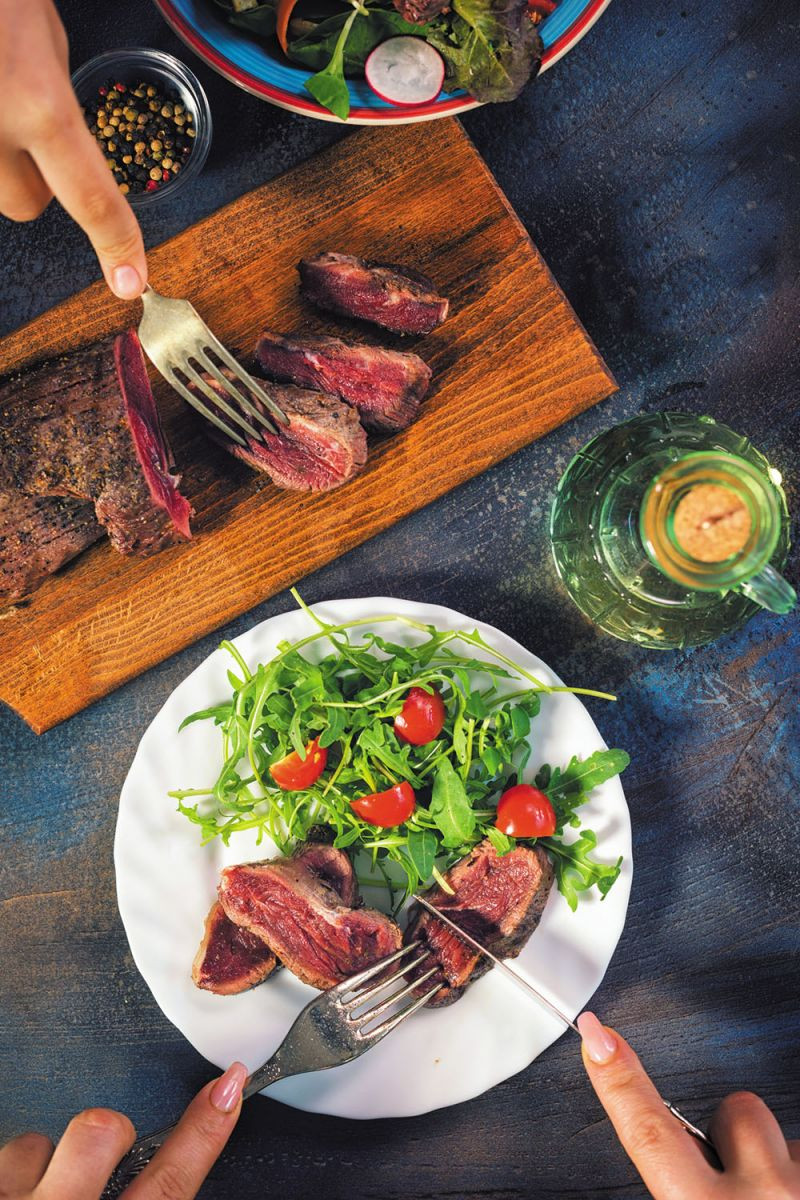
Red meat, TMAO, and your heart
A substance called trimethylamine N-oxide, which is produced when your body digests red meat, may raise the risk of cardiovascular problems.
Experts used to think that red meat raised your risk of heart disease simply because it was high in saturated fat. But today that picture has gotten more complicated thanks to the discovery of a metabolite — a substance produced during digestion and metabolism — called trimethylamine N-oxide, or TMAO.
According to a news article published June 11 in JAMA, three recent analyses have linked high blood levels of TMAO with a higher risk for both cardiovascular disease and early death from any cause. In one of those studies, researchers found that people with higher levels of TMAO in their blood may have more than twice the risk of heart attack, stroke, or other serious cardiovascular problems, compared with people who have lower levels. Other studies have found links between high TMAO levels and heart failure and chronic kidney disease.

What is a bubble study?
Ask the doctor
Q. My cardiologist mentioned that he was going to do a "bubble study" during my echocardiogram. What is that?
A. During an echocardiogram, a technician uses a probe that emits high-frequency sound waves (ultrasound) that "echo" off the structures of your heart. The waves, which are translated into video images visible on a monitor, can reveal in-formation about your heart's structure and function. A bubble study gives added information, as it can identify potential blood flow issues inside your heart.

Brain-based devices: How well do they work?
Brain-based devices claim to offer all kinds of enhancements and improvements, but how can consumers interested in such a device separate legitimate science from mere hype?

Want to prevent dementia? Improve your everyday health habits
Research we're watching
The World Health Organization has some advice for people who want to reduce their risk of dementia — pay attention to your overall health. Specifically, the organization's new guidelines recommend regular exercise, maintaining a healthy weight, regulating blood sugar levels, and keeping cholesterol within recommended limits.
Experts also recommend giving up unhealthy habits, including drinking and smoking. In short, strategies that you already know are good for your heart and overall health are also good for your brain. Preventing dementia is a focus because it has become a growing health problem, which affects some 50 million people around the world. The WHO estimates that nearly 10 million people each year develop the condition.

How much sleep do we really need?
Ask the doctor
Q. How much sleep do we really need, and what happens if we get too little or too much?
A. We spend about a third of our lives sleeping, so you've asked an important question.

Skip vitamins, focus on lifestyle to avoid dementia
News briefs
Vitamins and supplements won't help stave off dementia, but a healthy lifestyle might, suggest new guidelines released May 19, 2019, by the World Health Organization (WHO). The WHO warns that the number of new dementia cases around the world — currently 10 million per year — is set to triple by 2050. While there's no cure for any kind of dementia (such as Alzheimer's disease and vascular dementia), the WHO says it may be possible to delay the onset of the disease or slow its progression. The key: managing modifiable risks, such as chronic disease and unhealthy habits. The guidelines recommend that you keep your weight, cholesterol, blood pressure, and blood sugar under control; get lots of exercise; and eat a Mediterranean-style diet (which emphasizes olive oil, fruits, vegetables, nuts, and fish; minimizes red meats and processed meats; and includes a moderate amount of cheese and wine). The WHO also advises that you don't smoke and you avoid harmful use of alcohol (no more than one drink per day for women, no more than two drinks for men). But don't count on supplements to help you stave off dementia. The WHO says there's no evidence that vitamin B, vitamin E, multivitamins, or fish oil supplements help reduce the risk for dementia. The agency recommends against using supplements as a means to ward off cognitive decline.
Image: © kali9/Getty Images

Get the facts about memory loss
Many conditions can affect your memory and thinking.
Dementia, Alzheimer's disease, mild cognitive impairment. These terms are often mentioned together to describe age-related memory loss. While they are linked in some ways, they are not necessarily the same, and they often affect people differently.
"Even though memory loss is more common as you age, it is not part of normal aging," says Dr. Gad Marshall, associate medical director of the Center for Alzheimer Research and Treatment at Harvard-affiliated Brigham and Women's Hospital. "Either sudden or gradual persistent changes in memory loss and mental lapses can be signs of more serious conditions."
Hip bursitis vs. arthritis: How to tell the difference
Fitness for longevity: Which type matters most?
Ministrokes linked to elevated risk of dementia
Continuous glucose monitors benefit people who don't need insulin
CoQ10: Should you take this popular supplement if you're on a statin?
Microplastics: A hidden health threat?
Oat vs. dairy milk: Nutrition, benefits, and downsides
What is tempeh? Benefits, nutrition, and how to use it
Healing after food poisoning
Whole grains may improve several heart risk factors at once
Free Healthbeat Signup
Get the latest in health news delivered to your inbox!
Sign Up
