

Hip bursitis vs. arthritis: How to tell the difference

Fitness for longevity: Which type matters most?

Ministrokes linked to elevated risk of dementia

Continuous glucose monitors benefit people who don't need insulin

CoQ10: Should you take this popular supplement if you're on a statin?

Microplastics: A hidden health threat?

Oat vs. dairy milk: Nutrition, benefits, and downsides

What is tempeh? Benefits, nutrition, and how to use it

Healing after food poisoning

Whole grains may improve several heart risk factors at once
Breast Cancer Archive
Articles
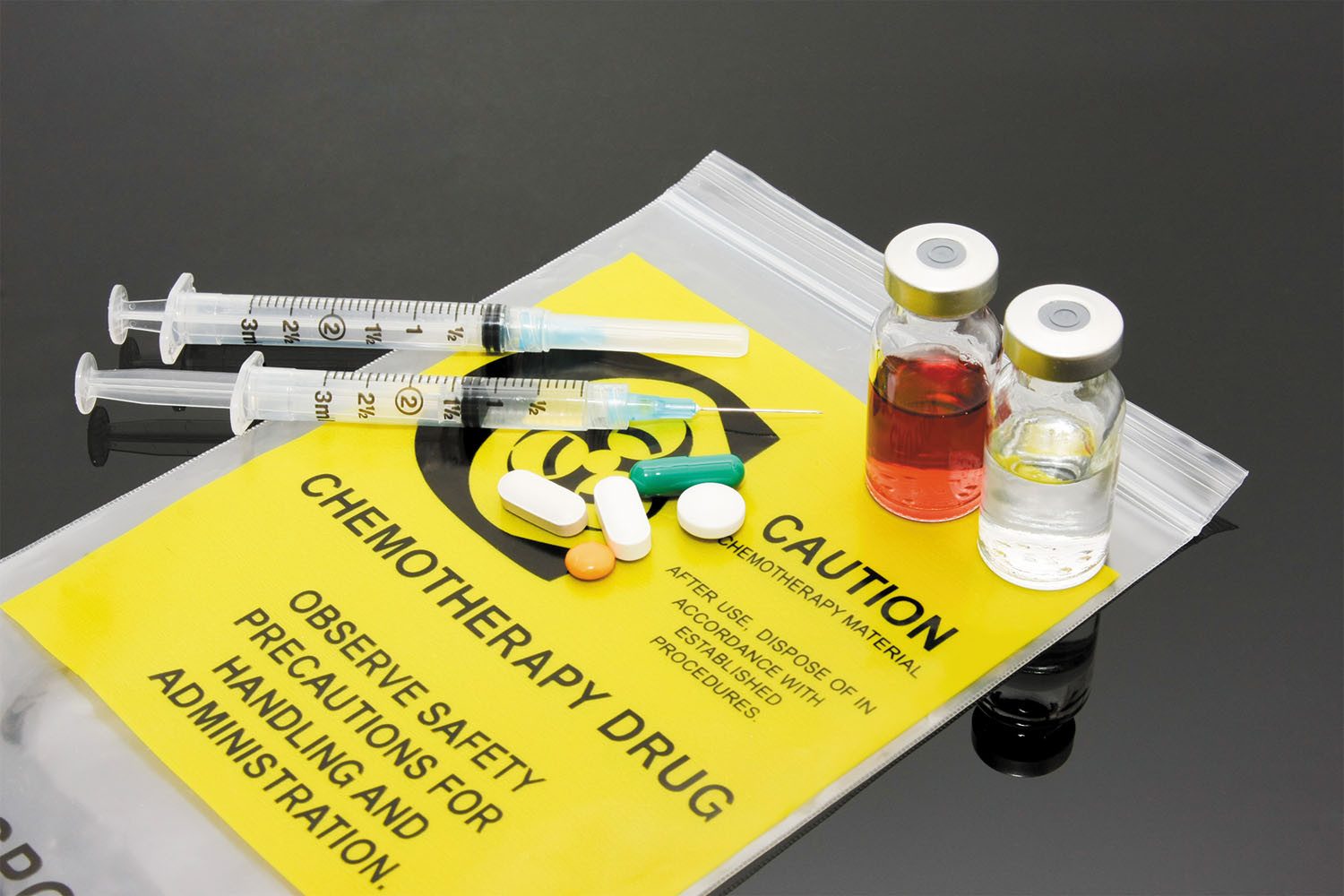
Treatments for breast cancer may harm the heart
But surveillance and other strategies — especially exercise — can limit the risk.
Image: © Khuong Hoang/Getty Images
Better treatments for breast cancer have contributed to the growing number of breast cancer survivors, now about three million in the United States. However, these women may face a heightened risk of heart disease from the cardiotoxic effects of chemotherapy and radiation, according to a statement from the American Heart Association in the Feb. 20, 2018, issue of Circulation.
Doctors have long known that certain cancer drugs can decrease the heart's pumping ability, especially doxorubicin (Adriamycin) and trastuzumab (Herceptin), two common treatments for breast cancer. Many women receive radiation therapy as well, which can cause heart tissue to scar or stiffen, possibly leading to valve disorders, coronary artery disease, or other heart problems. But specialists who focus on keeping the heart healthy during and after cancer treatment — known as cardio-oncologists — can offer strategies to both prevent and treat heart damage from cancer therapy.



Harvard researchers: Inflammatory diets linked to colorectal cancer
News briefs
Image: © Ben6/Getty Images
Here's another reason to say goodbye to hot dogs, soda, and white bread: A Harvard study published online Jan. 18, 2018, by JAMA Oncology suggests that diets promoting chronic inflammation are associated with colorectal cancer. Researchers analyzed the self-reported eating habits of more than 120,000 men and women, who filled out surveys every four years over a period of 26 years. People in the study who ate the most foods that promoted inflammation — such as red and processed meats, sugary drinks, and refined grains — had a higher rate of colorectal cancer compared with people who ate the least of these foods. For men, the risk was 44% higher; for women, the risk was 22% higher. The people who ate pro-inflammatory diets also ate fewer vegetables and drank less tea, wine, and coffee. A growing number of studies have found that chronic inflammation is associated with cancer. And many other studies have shown links between pro-inflammatory diets and chronic diseases such as type 2 diabetes and heart disease. The bottom line: Anything you can do to reduce the risk of chronic inflammation is a good idea. That could mean cutting out foods that are associated with inflammation, reducing stress, or getting more exercise.

Prescription cream may lower risk for repeat skin cancers
In the journals
A prescription cream called 5-fluorouracil (5-FU, sold as Adrucil and other brands) may help people reduce their risk for squamous cell carcinoma (SCC), according to a study published in the Jan. 3, 2017, JAMA Dermatology. SCC, the second most common cancer in the United States, strikes twice as many men as women.
Researchers recruited 932 people, 98% of whom were men, with an average age of 71. Each had experienced at least two skin cancers — SCC, basal cell carcinoma (BCC, the most common skin cancer), or both — on their face or ears within the past five years. They were randomly assigned to receive either the 5-FU cream or a placebo cream. Everyone applied a thin layer twice a day to their face and ears for up to four weeks. Over the course of a year, the 5-FU group had a 75% lower incidence of SCC compared with the placebo group. They also had a 11% lower incidence of BCC, but this difference was not statistically significant. It's not known why 5-FU helped prevent SCC but not BCC, according to the researchers.
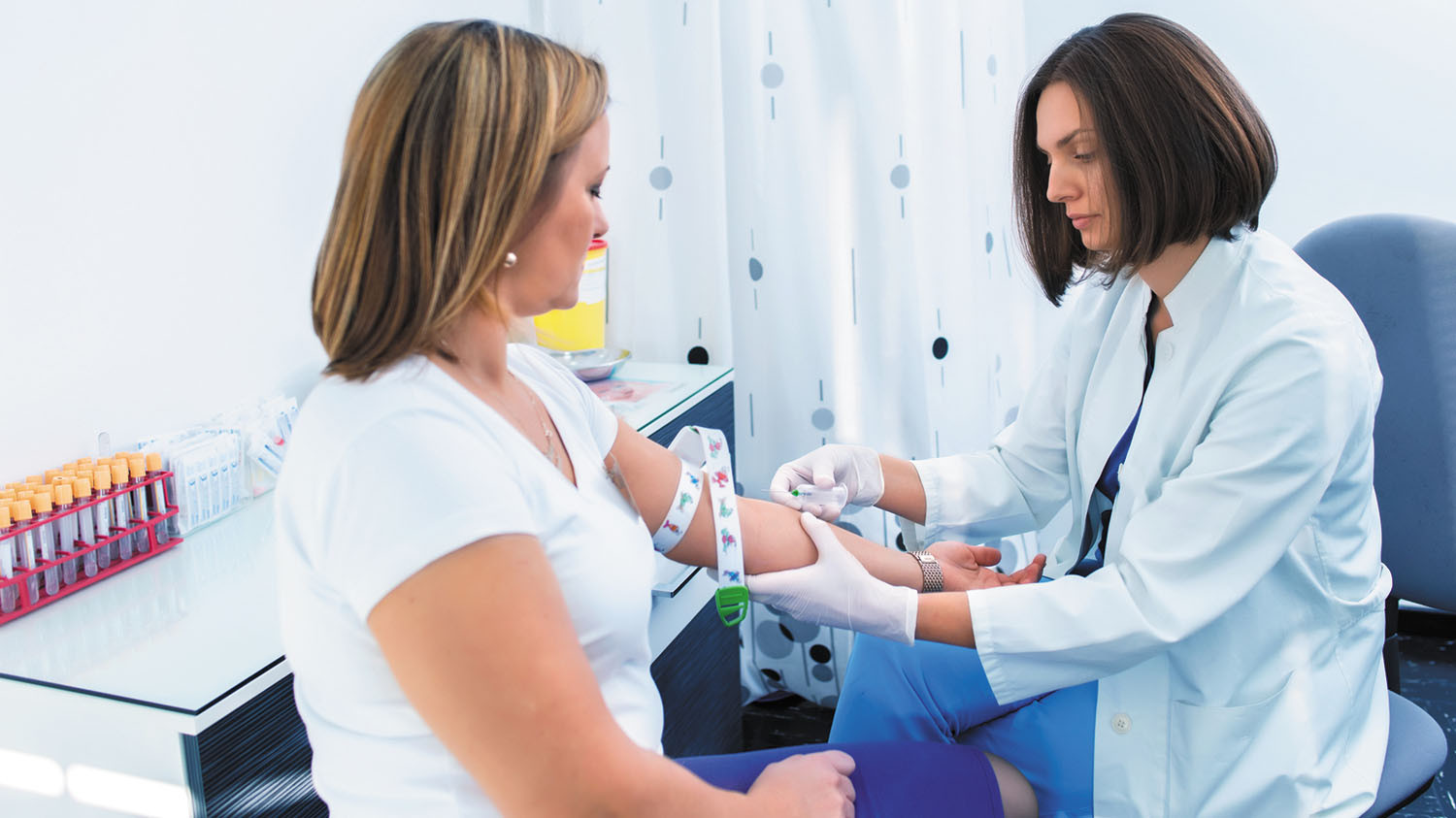
A blood test to screen for cancer may be just around the corner
Research we're watching
Image: © bluecinema/Getty Images
Your doctor may one day be able to use a simple blood test to find out if you have cancer. Researchers from Johns Hopkins University reported in the January 19 issue of Science that they have developed a blood test that can spot early signs of cancer.
The researchers screened blood for DNA and proteins related to eight different types of cancer. They were able to identify early cancers from more than 1,000 patients with different types of cancer that had not yet spread. Over all, the test found 33% to 98% of cancers, depending on tumor type.
A mix of treatments may extend life for men with aggressive prostate cancer
Combining multiple forms of radiation therapy with hormone treatments lengthens survival in men with aggressive prostate cancer.


FDA approves new drug for men at high risk of prostate cancer spread
Men whose PSA levels continue rising even after surgery or radiation therapy may have a new treatment option with the approval of the drug apalutamide.

Hip bursitis vs. arthritis: How to tell the difference
Fitness for longevity: Which type matters most?
Ministrokes linked to elevated risk of dementia
Continuous glucose monitors benefit people who don't need insulin
CoQ10: Should you take this popular supplement if you're on a statin?
Microplastics: A hidden health threat?
Oat vs. dairy milk: Nutrition, benefits, and downsides
What is tempeh? Benefits, nutrition, and how to use it
Healing after food poisoning
Whole grains may improve several heart risk factors at once
Free Healthbeat Signup
Get the latest in health news delivered to your inbox!
Sign Up
