

Hip bursitis vs. arthritis: How to tell the difference

Fitness for longevity: Which type matters most?

Ministrokes linked to elevated risk of dementia

Continuous glucose monitors benefit people who don't need insulin

CoQ10: Should you take this popular supplement if you're on a statin?

Microplastics: A hidden health threat?

Oat vs. dairy milk: Nutrition, benefits, and downsides

What is tempeh? Benefits, nutrition, and how to use it

Healing after food poisoning

Whole grains may improve several heart risk factors at once
Breast Cancer Archive
Articles

Contrary to popular belief, epidurals don’t prolong labor. Phew.
Challenging a long-held belief, a new study found that women who received epidural anesthesia during labor did not have prolonged labor or higher rates of cesarean births.

Study investigates treatment regret among prostate cancer survivors
Surveys of over 900 men who were diagnosed with prostate cancer in the 1990s found that approximately 15% had some regret over their treatment choices. Study authors encourage doctors and patients to have frank and thorough discussions about about the risks and benefits of various forms of treatment for prostate cancer.



Are colon cancer screenings necessary after a certain age?
On call
Q. I am 77 and in overall good health. My previous colonoscopies to check for colon cancer have been normal. Can I stop having them?
A. The major benefit of colon cancer screening is seen in men ages 50 to 75. After age 75, the potential benefit is smaller, and the risks and side effects of the procedure — like bleeding and perforation of the colon — are higher.
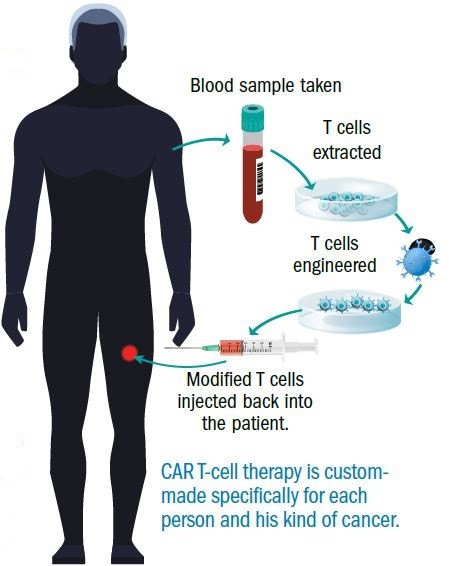
Teaching T cells to fight cancer
CAR T-cell immunotherapy helps the immune system seek out and kill cancer cells.
CAR T-cell immunotherapy adds a new weapon in the fight against cancer. Immunotherapy, one of the most exciting advances in cancer treatment, helps the immune system better target and kill cancer cells by focusing only on the cancerous cells while sparing the healthy ones.
One of the most innovative immunotherapies today is chimeric antigen receptor (CAR) T-cell therapy, which is custom-made for individuals and their specific cancer.
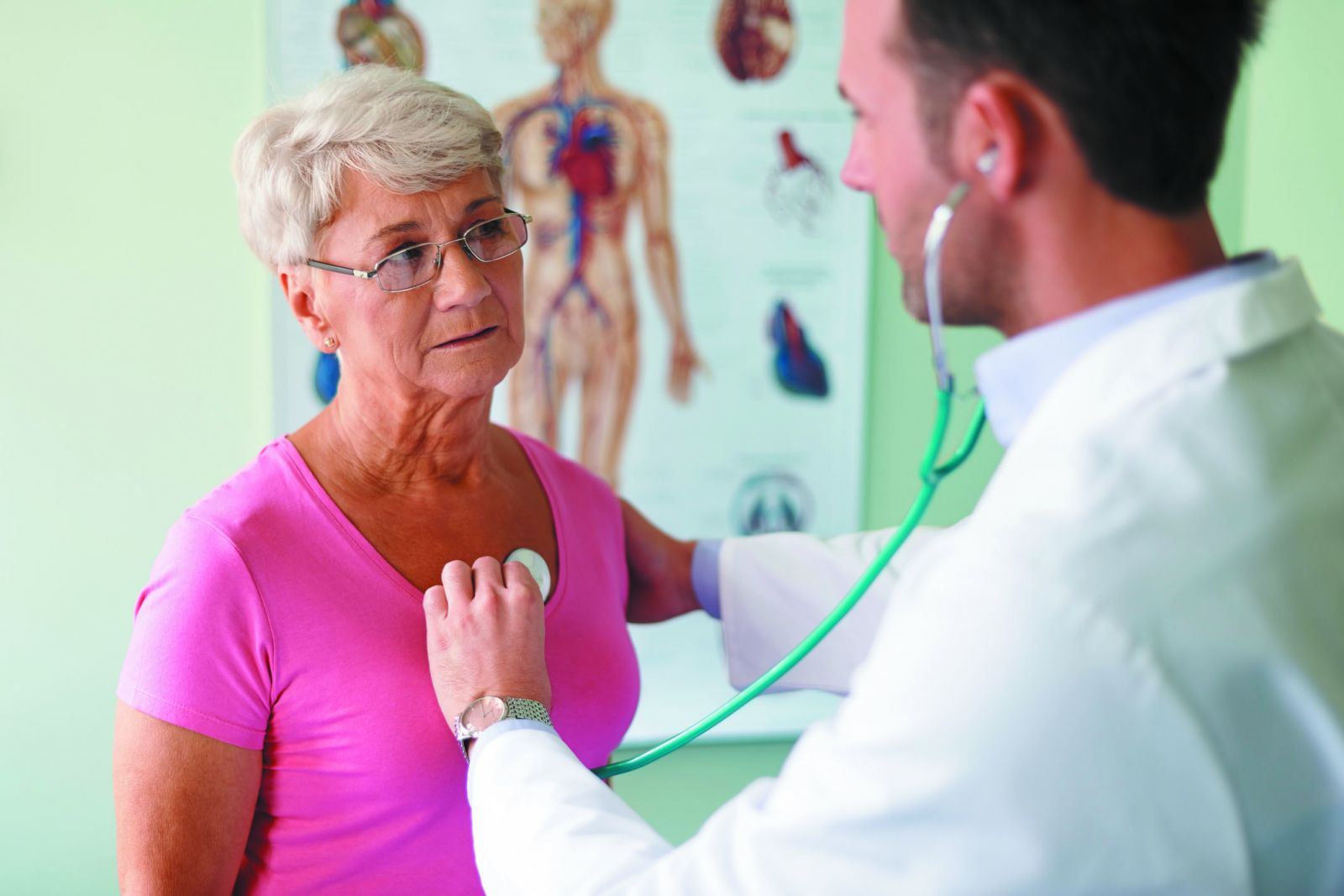
Don’t underestimate your heart risks
Start a conversation with your doctor about your risk factors.
Image: © gpointstudio/Thinkstock
Statistically speaking, your heart is the biggest threat to your health. In 2014, more women died from cardiovascular disease than from cancer, chronic lung disease, and diabetes combined, according to the American Heart Association (AHA).
But have you talked with your doctor about your risk factors? Many women haven't, according to a pair of surveys published in the June issue of the Journal of the American College of Cardiology (JACC). The surveys also show that this top-ranked threat to women's health isn't getting nearly the attention it deserves from many women and their doctors.
Melanoma isn’t the only skin cancer
Research we're watching
You probably know to have your skin checked frequently for the signs of melanoma. But you should also be looking out for another, more common type of skin cancer — squamous cell carcinoma. This potentially lethal skin cancer can show up on your skin as a white or pink bump, a non-healing sore, or even a scaly patch. According to the American Academy of Dermatology, cases of squamous cell carcinoma are on the rise, with some 700,000 new diagnoses each year.
"While other skin cancers may be more lethal, they're less common," writes Dr. M. Laurin Council, an assistant professor of dermatology at Washington University in St. Louis. "Squamous cell carcinoma is highly treatable when detected early, so it's important for people to know the signs of this disease and keep a close eye on their skin."

Is my bruising normal?
Ask the doctors
Q. I've found that I bruise more easily as I've gotten older. Is that normal?
A. If you're noticing more black-and-blue marks on your body, it's most likely not a skin or blood problem. Age-related changes to your skin and underlying blood vessels can make you more prone to bruising.
Hip bursitis vs. arthritis: How to tell the difference
Fitness for longevity: Which type matters most?
Ministrokes linked to elevated risk of dementia
Continuous glucose monitors benefit people who don't need insulin
CoQ10: Should you take this popular supplement if you're on a statin?
Microplastics: A hidden health threat?
Oat vs. dairy milk: Nutrition, benefits, and downsides
What is tempeh? Benefits, nutrition, and how to use it
Healing after food poisoning
Whole grains may improve several heart risk factors at once
Free Healthbeat Signup
Get the latest in health news delivered to your inbox!
Sign Up
