

Hip bursitis vs. arthritis: How to tell the difference

Fitness for longevity: Which type matters most?

Ministrokes linked to elevated risk of dementia

Continuous glucose monitors benefit people who don't need insulin

CoQ10: Should you take this popular supplement if you're on a statin?

Microplastics: A hidden health threat?

Oat vs. dairy milk: Nutrition, benefits, and downsides

What is tempeh? Benefits, nutrition, and how to use it

Healing after food poisoning

Whole grains may improve several heart risk factors at once
Contraception and birth control Archive
Articles

Does prostate cancer screening matter?
The latest guidelines suggest you should have an engaged conversation with your doctor about PSA testing.
Image: © Mark Bowden/Thinkstock
An annual prostate-specific antigen (PSA) test to check for signs of possible prostate cancer sounds innocent enough, but new guidelines suggest the test offers few long-term benefits, and substantial possible harm.
The updated guidelines from the U.S. Preventive Services Task Force (USPSTF), published online April 11, 2017, by The Journal of the American Medical Association, reinforce the organization's 2012 conclusion that PSA screenings have only a small potential benefit for reducing the chance of dying of prostate cancer for men ages 55 to 69 — while exposing them to possible overtreatment and side effects from biopsies, radiation, and surgery.

An easier way to set and achieve health goals
A unique strategy for establishing personal goals helps you stay focused and on track for optimum wellness.
Image: © cacaroot/Thinkstock
Staying engaged in life as you age is essential for your health.
"Men have spent a good deal of their earlier life focused on reaching goals, from career advancement to self-improvement," says Susan Flashner-Fineman, the Vitality 360 Wellness Coaching Program coach at Harvard-affiliated Hebrew SeniorLife. "As you get older, you may not recognize the need for accomplishments, yet they are crucial to keeping your mental and physical skills sharp. You want your remaining years to be good ones, so what do you want them to look like? Goal setting can help you get there."

Two keys to strong bones: Calcium and Vitamin D
Image: memoriesarecaptured/Thinkstock
Although bone-weakening osteoporosis is quite common among older people, it isn't an inevitable part of aging. There's a lot you can do to shield your bones from this disease.
The best insurance against osteoporosis is building the highest bone density possible by your 30s and minimizing bone loss after that. But if you you're already in midlife or beyond, there is still much you can do to preserve the bone you have and perhaps even to replace lost bone. Daily weight-bearing exercise, like walking, is the best medicine. Getting enough calcium and vitamin D are two other critical strategies for keeping bones strong.
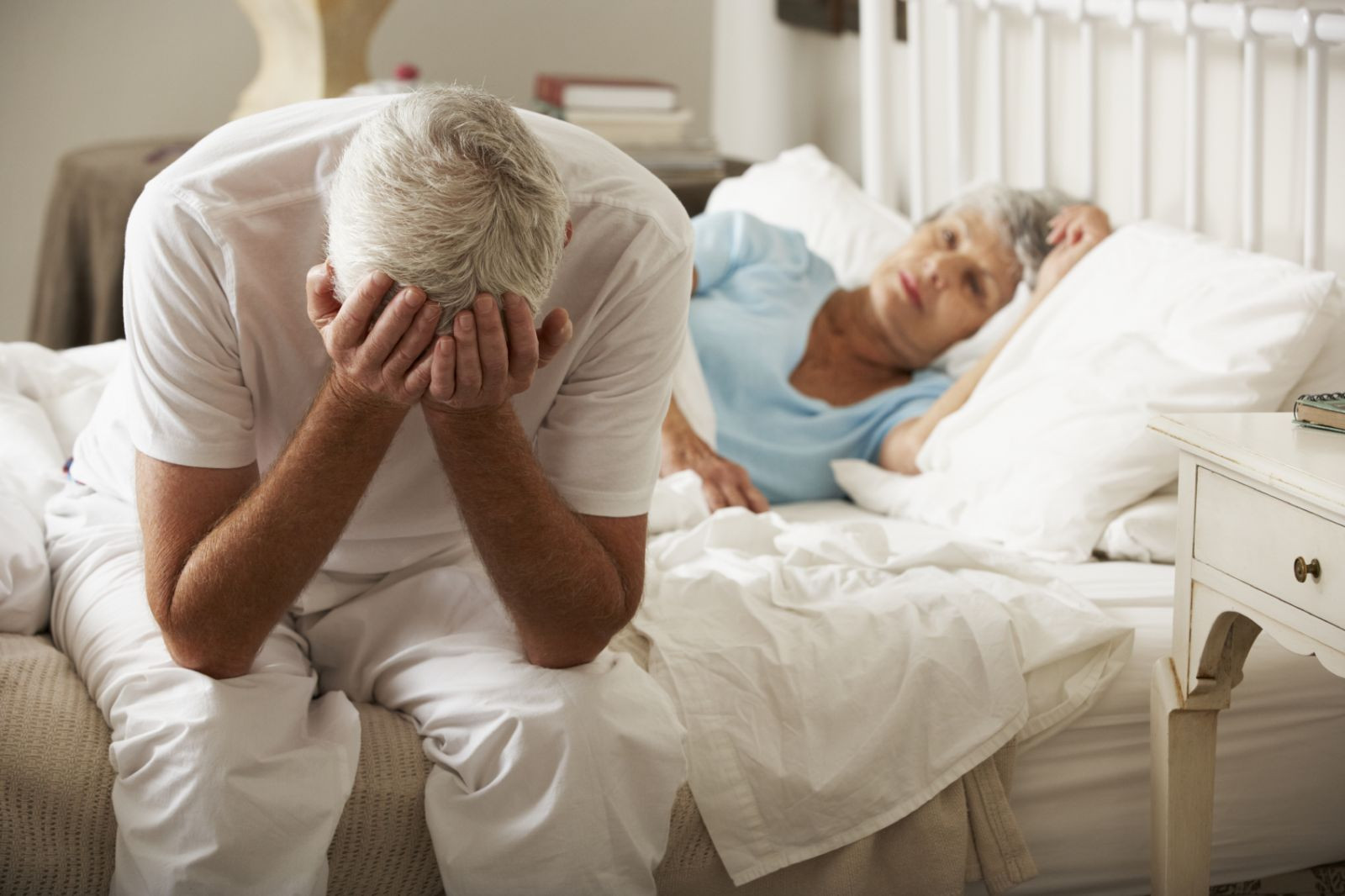
4 things you should know about erectile dysfunction
Erectile dysfunction (ED), once shrouded in secrecy, is now in the spotlight, thanks to high-profile advertisements for drugs like Cialis, Viagra, Levitra, and Stendra. But despite this greater awareness of ED, many men — and women — don't really know much about this condition. Here are four things to know about ED.
- ED is often the result of diseases or conditions that become more common with age. It can also be a side effect of the medications used to treat them. Other possible causes of ED include prostate surgery, stress, relationship problems, and depression.
- Other age-related factors besides disease can also affect a man's ability to have an erection — for example, with age, tissues become less elastic and nerve communication slows. But even these factors don't explain many cases of ED.
- Cardiovascular disease is a common cause of ED. Clogged arteries (atherosclerosis) affect not only the blood vessels of the heart, but those throughout the body as well. In fact, in up to 30% of men who see their doctors about ED, the condition is the first hint that they have cardiovascular disease.
- Intriguing findings from the Massachusetts Male Aging Study suggest there may be a natural ebb and flow to ED — that is, for some men, trouble with erections may occur, last for a significant amount of time, and then partly or fully disappear without treatment.
Regardless of the cause, ED often can be effectively addressed. For some men, simply losing weight and exercising more may help. Others may need medications, and there are other options available as well. Given the variety of therapies available, the possibility of finding the right solution is greater than ever.

Combination hormonal therapy boosts survival in men with aggressive prostate cancer
Charlie Schmidt A standard approach for treating aggressive prostate cancer is to give therapies that block testosterone, a tumor-stimulating hormone. Should initial hormonal therapies fail, doctors can switch to other drugs that suppress testosterone in different ways. One of them, a drug called abiraterone, has been shown to significantly extend lifespans in men who have […]

Getting a start on growing stronger
Building strength and power is key to healthy aging, both physically and mentally. It may be easier than you think.
We probably don't need to remind you that your body changes with age. Age-related muscle loss begins at around age 35 and progresses slowly — at about 1% per year. But after about age 60, muscle loses mass more rapidly, so that adults who don't do regular strength training may lose 4 to 6 pounds of muscle per decade. Moreover, the lost muscle is usually replaced by fat.
Studies show that strength training not only can slow muscle loss, it can also help prevent or control conditions as varied as heart disease, diabetes, arthritis, and osteoporosis. And recent research indicates that it can also improve cognitive function, especially when added to aerobic exercise. As we age, strength training helps to preserve mobility and reduce the risk of falling. "What has been shown is that if you're looking at mobility problems, the most beneficial exercises that are those that focus on progressive training for strength and power," says Dr. Jonathan Bean, an associate professor of physical medicine and rehabilitation at Harvard Medical School.
Influential task force revises its position on PSA screening tests
Charlie Schmidt In 2012, the US Preventive Services Task Force (USPSTF) took the unprecedented step of recommending against prostate cancer screening for all men, regardless of age, race, or family history. Now this influential group of independent experts is reassessing its position based on more recent data. Instead of discouraging screening altogether, the UPSTF is […]

Why do I lose a lot of hair each fall?
Ask the doctors
Q. I have fairly thick hair in the summer, but it seems to thin out in late fall. Is there anything I can do now to prevent losing hair in a few months?
A. Sadly, no. What you've experienced is common to all of us. On average, about 90% of the hairs on our heads are in the growing phase and about 10% are in the resting phase. After a few months in the resting phase, the hairs are shed. It's normal to shed up to 100 hairs a day.

Should you have an annual pelvic exam?
By Hope Ricciotti, M.D., Editor in Chief
If you've come to expect a pelvic exam as a routine part of your annual well-woman physical, you may be surprised to learn that health experts disagree over whether it is necessary. The exam — in which the clinician inserts gloved fingers into the vagina to examine the cervix, uterus, and ovaries — has been routine for decades, but recently its benefits have been called into question.
In 2014 the American College of Physicians — an influential group of internal medicine specialists — issued a recommendation against routine pelvic examinations for women who aren't pregnant and have no unusual risk for or symptoms of pelvic diseases. However, the American College of Obstetricians and Gynecologists (ACOG) has stood by its longstanding policy recommendation — annual pelvic exams for women ages 21 and older — based on expert opinion. In March 2017, the U.S. Preventive Services Task Force — the pre-eminent medical guidelines organization — ruled that there is insufficient evidence to recommend either for or against annual screenings.
Hip bursitis vs. arthritis: How to tell the difference
Fitness for longevity: Which type matters most?
Ministrokes linked to elevated risk of dementia
Continuous glucose monitors benefit people who don't need insulin
CoQ10: Should you take this popular supplement if you're on a statin?
Microplastics: A hidden health threat?
Oat vs. dairy milk: Nutrition, benefits, and downsides
What is tempeh? Benefits, nutrition, and how to use it
Healing after food poisoning
Whole grains may improve several heart risk factors at once
Free Healthbeat Signup
Get the latest in health news delivered to your inbox!
Sign Up
