

Hip bursitis vs. arthritis: How to tell the difference

Fitness for longevity: Which type matters most?

Ministrokes linked to elevated risk of dementia

Continuous glucose monitors benefit people who don't need insulin

CoQ10: Should you take this popular supplement if you're on a statin?

Microplastics: A hidden health threat?

Oat vs. dairy milk: Nutrition, benefits, and downsides

What is tempeh? Benefits, nutrition, and how to use it

Healing after food poisoning

Whole grains may improve several heart risk factors at once
Contraception and birth control Archive
Articles

Drinking — and binge drinking — growing more common among older women
Research we're watching
A new study from researchers at the National Institutes of Health indicates that the rate of drinking in general, and binge drinking in particular, is rising faster among women ages 60 or older than among their male contemporaries. When the researchers analyzed data from National Health Interview Surveys from 1997 through 2014, they found that the proportion of older women drinkers increased at a rate of 1.6% a year, compared with 0.7% for older men. Binge drinking — defined as imbibing four or more drinks within two hours — increased by 3.7% annually among older women, but held steady among older men. The results were reported online March 24, 2017, by Alcoholism: Clinical and Experimental Research.
The researchers speculated that baby boomers, who tended to drink more than earlier generations did in youth, have continued their habits as they've aged. Whatever the reason, the trend doesn't bode well for older women's health. Because of biological differences, at any level of alcohol consumption, women have a higher blood alcohol concentration than men, putting them at greater risk of cognitive impairment and falls. It's a good idea to limit alcohol consumption to seven drinks a week, with no more than three drinks at a sitting.

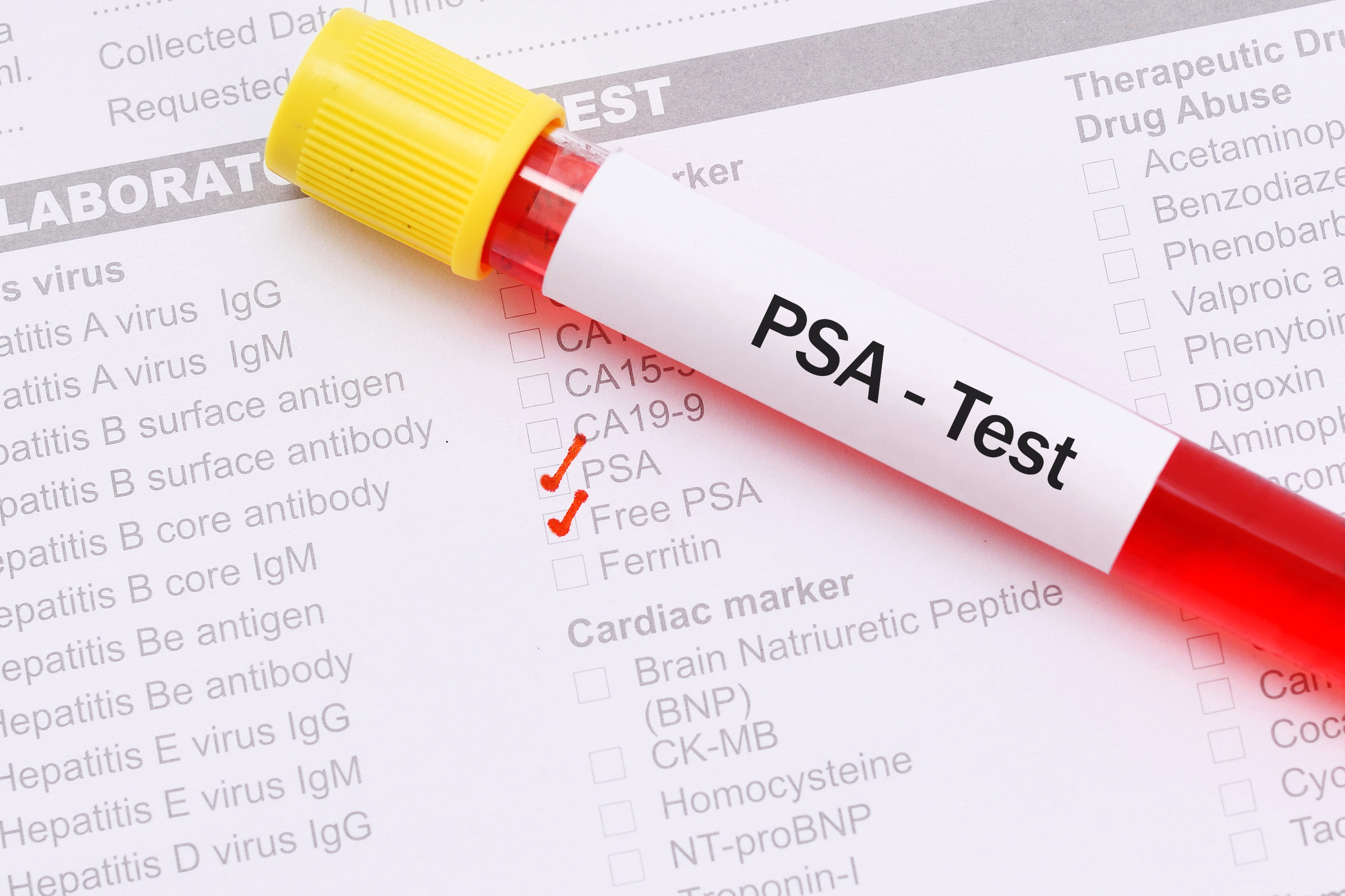
To PSA test or not to PSA test: That is the discussion
The recommended guidelines for whether men should have the prostate cancer screening test have changed in recent years. A man considering the test should talk with his doctor and understand all the pros and cons involved.

For men over 50: You can lower your health risks
What if men approached their health at midlife the same way that financial experts advise them to plan for retirement? Some of the same rules apply: take a close look at where things stand now, and then take steps to protect your future. Midlife is a good time to lower health risks and invest for long-term health benefits.
How? First, acknowledge what you can't control. Then put your energies into changing what you can — for the better.
Short-term estrogen use doesn’t protect against dementia, study indicates
Research we're watching
Although hormone therapy was once thought to help preserve cognitive function after menopause, there is mounting evidence to the contrary, including a recent report from the Kuopio Osteoporosis Risk Factor and Prevention Study.
Researchers in that project sent questionnaires to all women ages 47 to 56 who lived in the Finnish province of Kuopio in 1987. The women completed questionnaires every five years, providing information about their lifestyles, medication use, and illnesses. The researchers checked the information in the questionnaires against prescription registries and medical records up to 2009.

Binge drinking continues to rise — particularly among women and seniors
Data from several surveys indicate that the percentage of women who drink has been increasing for decades. The numerous health effects associated with alcohol consumption mean that women should be especially attentive to how much they drink.
Can implantable hormone pellets prevent bone loss?
Ask the doctor
Q. I've heard that bioidentical hormone pellets injected near the hip are more effective than bone-building drugs in stopping bone loss and preventing hip fracture. Is this true?
A. The FDA hasn't approved hormone pellets for preventing or treating bone loss. Moreover, there are no randomized controlled trials on record, so we don't know whether hormone pellets are more effective — or even as effective — as the FDA-approved medical therapies. Finally, there aren't any published reports explaining how the hormones are metabolized in the body or the side effects they may have.

How to soothe hemorrhoids
Hemorrhoids won't go away, but some simple measures can help to prevent and ease flare-ups.
Image: © Wavebreakmedia/Thinkstock
By some estimates, about half of people over age 50 have hemorrhoids — swollen blood vessels on the outer rectum and anus. Women are more likely than men to develop hemorrhoids, probably because hemorrhoids commonly occur during pregnancy. However, they are less likely to seek medical treatment for them.
Not all hemorrhoids cause problems. One study of people undergoing colonoscopy found that more than half of people whose tests revealed hemorrhoids were unaware that they had them. However, when hemorrhoids become inflamed, they can make bowel movements — and even sitting — quite painful.
Postmenopausal women treated for DCIS live as long as other women
Research we're watching
Ductal carcinoma in situ (DCIS) differs from breast cancer because it is noninvasive, so it cannot spread to other parts of the body. However, it can progress to an invasive breast cancer, which can be life-threatening. Researchers from the Netherlands Cancer Institute wanted to determine how DCIS affected long-term survival.
The team studied almost 10,000 postmenopausal women who were diagnosed with DCIS between 1989 and 2004. They tracked the patients over an average of 10 years and compared their death rates with the expected mortality rates of the general population. They found that women who had been treated for DCIS had a 2.5% risk of dying of breast cancer over 10 years and a 4% risk at 15 years — rates that were higher than in the general population. But they also found that DCIS survivors had a 10% lower risk of dying from any cause compared with the general population. They presented their results Jan. 27, 2017, at the European Cancer Congress.
Hip bursitis vs. arthritis: How to tell the difference
Fitness for longevity: Which type matters most?
Ministrokes linked to elevated risk of dementia
Continuous glucose monitors benefit people who don't need insulin
CoQ10: Should you take this popular supplement if you're on a statin?
Microplastics: A hidden health threat?
Oat vs. dairy milk: Nutrition, benefits, and downsides
What is tempeh? Benefits, nutrition, and how to use it
Healing after food poisoning
Whole grains may improve several heart risk factors at once
Free Healthbeat Signup
Get the latest in health news delivered to your inbox!
Sign Up
