

Hip bursitis vs. arthritis: How to tell the difference

Fitness for longevity: Which type matters most?

Ministrokes linked to elevated risk of dementia

Continuous glucose monitors benefit people who don't need insulin

CoQ10: Should you take this popular supplement if you're on a statin?

Microplastics: A hidden health threat?

Oat vs. dairy milk: Nutrition, benefits, and downsides

What is tempeh? Benefits, nutrition, and how to use it

Healing after food poisoning

Whole grains may improve several heart risk factors at once
Diet and nutrition Archive
Articles
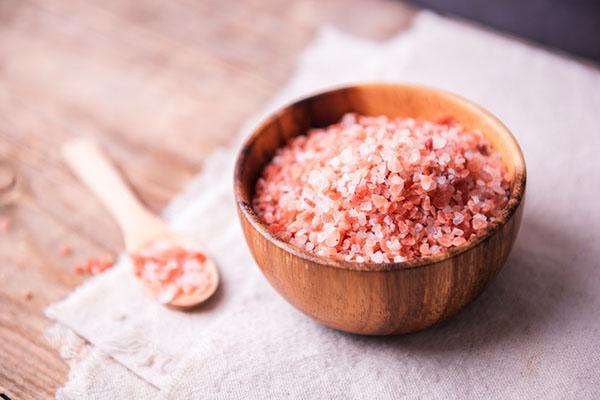
The salts of the earth
Culinary salts such as Himalayan pink salt, kosher salt, fleur de sel, and flaky sea salt can lend a delightful crunch or flavor to foods. However, they consist largely of sodium chloride, just like table salt, and are no healthier. Consuming too much sodium is tied to increased risks for damage to the heart, kidneys, and brain. Dietitians advise using only a small pinch of a fancy salt, perhaps as a garnish or condiment, to satisfy taste buds without going overboard with the salt shaker.
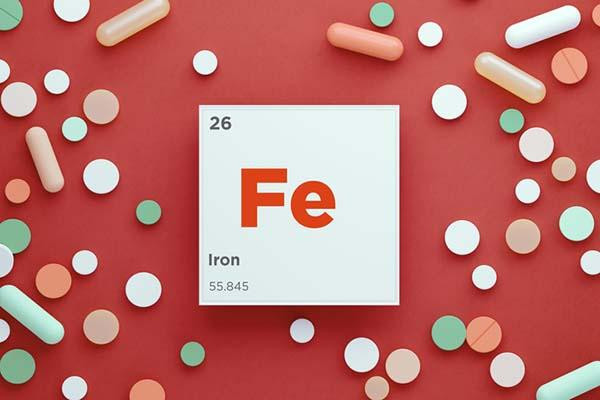
Should women over 60 take iron supplements? What you need to know
Women over 60 need less iron than they did before menopause, when they lost iron through menstruation. Many conditions can lead to iron loss and iron-deficiency anemia, when the body can’t make enough red blood cells to properly carry oxygen throughout the body. Signs of iron deficiency include pale skin, fatigue, shortness of breath, weight loss, and chest pain. Tests can reveal iron deficiency and underlying reasons for iron loss. People should not take iron supplements without checking with their doctor. Too much iron can damage organs.

A green-Mediterranean diet may slow brain aging
A 2025 study suggested that following a green-Mediterranean diet - which includes walnuts, green tea, and the aquatic plant Mankai - may be linked with slower brain aging.
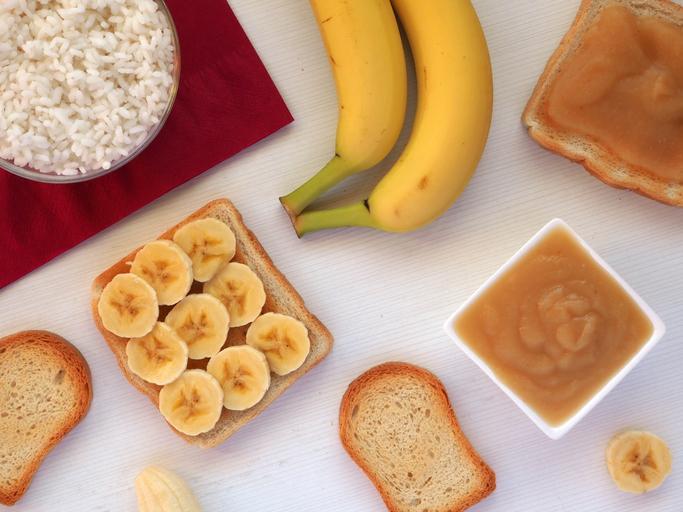
Is the BRAT diet the best choice for an upset stomach?
The BRAT diet - which stands for bananas, rice, applesauce, and toast - has long been recommended for people coping with diarrhea and vomiting. But adding oatmeal, cooked carrots, skinless chicken, and other bland foods is fine and provides nutrients needed to help people recover. People who have an upset stomach should avoid alcohol, caffeine, dairy products, sugary foods, and foods that are deep-fried, acidic, spicy, or high in fiber. They should also be sure to stay hydrated by drinking water, broth, diluted fruit juice, or weak, decaffeinated tea.
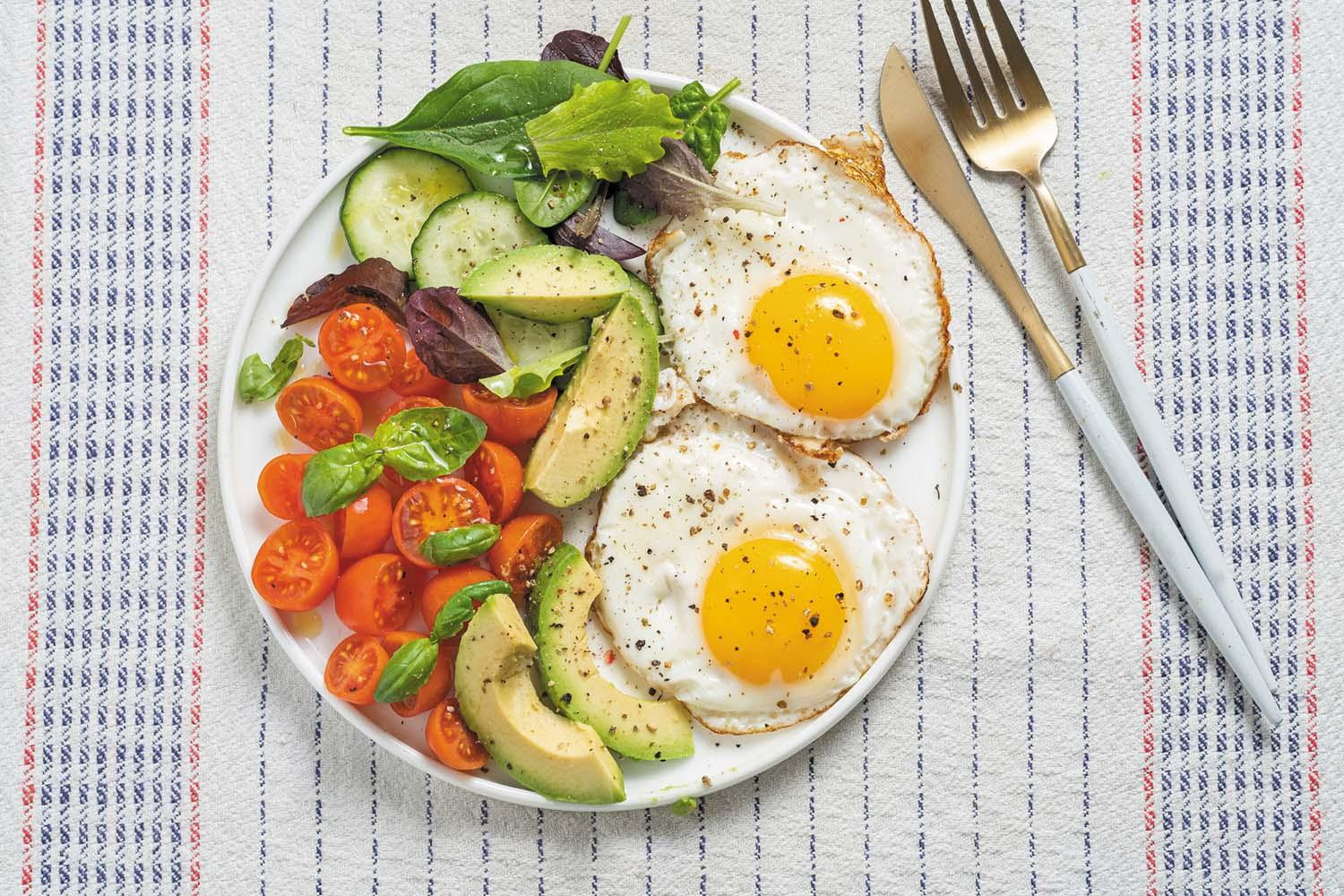
Enjoy eggs - just skip the bacon
Eating two eggs per day doesn't appear to raise harmful LDL cholesterol, as long as people follow a diet low in saturated fat. Although eggs are high in cholesterol, dietary cholesterol doesn't have much of an effect on the amount in a person's bloodstream. But excess dietary saturated fat does raise blood cholesterol, which is why people should limit their saturated fat to 7% of their daily calories.

Can you take a break from healthy eating?
While a healthy eating plan is crucial for health, bending the rules on occasion probably won't hurt most people. One strategy to try is the 90-10 rule-eating healthy foods 90% of the time and splurging on unhealthy foods 10% of the time. For example, if someone eats three meals a day for a week, for a total of 21 meals, the person would be able to splurge on 10% (about two) of the meals. Dietitians warn that applying the 90-10 rule to every meal can lead to trouble, such as weight gain.
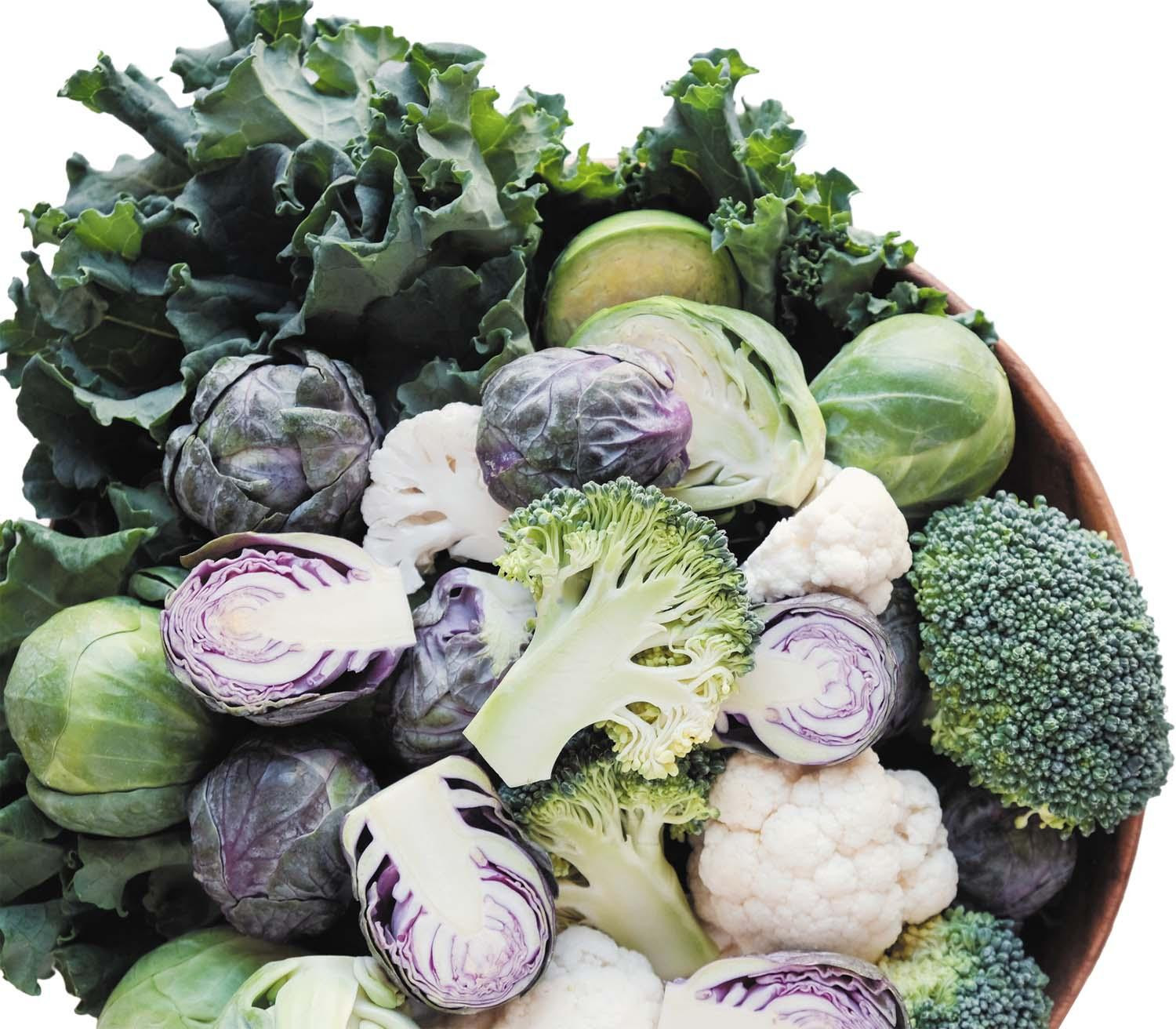
How many servings of cruciferous vegetables should you eat to fight colon cancer?
A 2025 study that included 97,000 people found that those who ate the most cruciferous vegetables-between 20 and 40 grams per day-had a 17% lower risk of developing colon cancer, compared with people who ate the least.
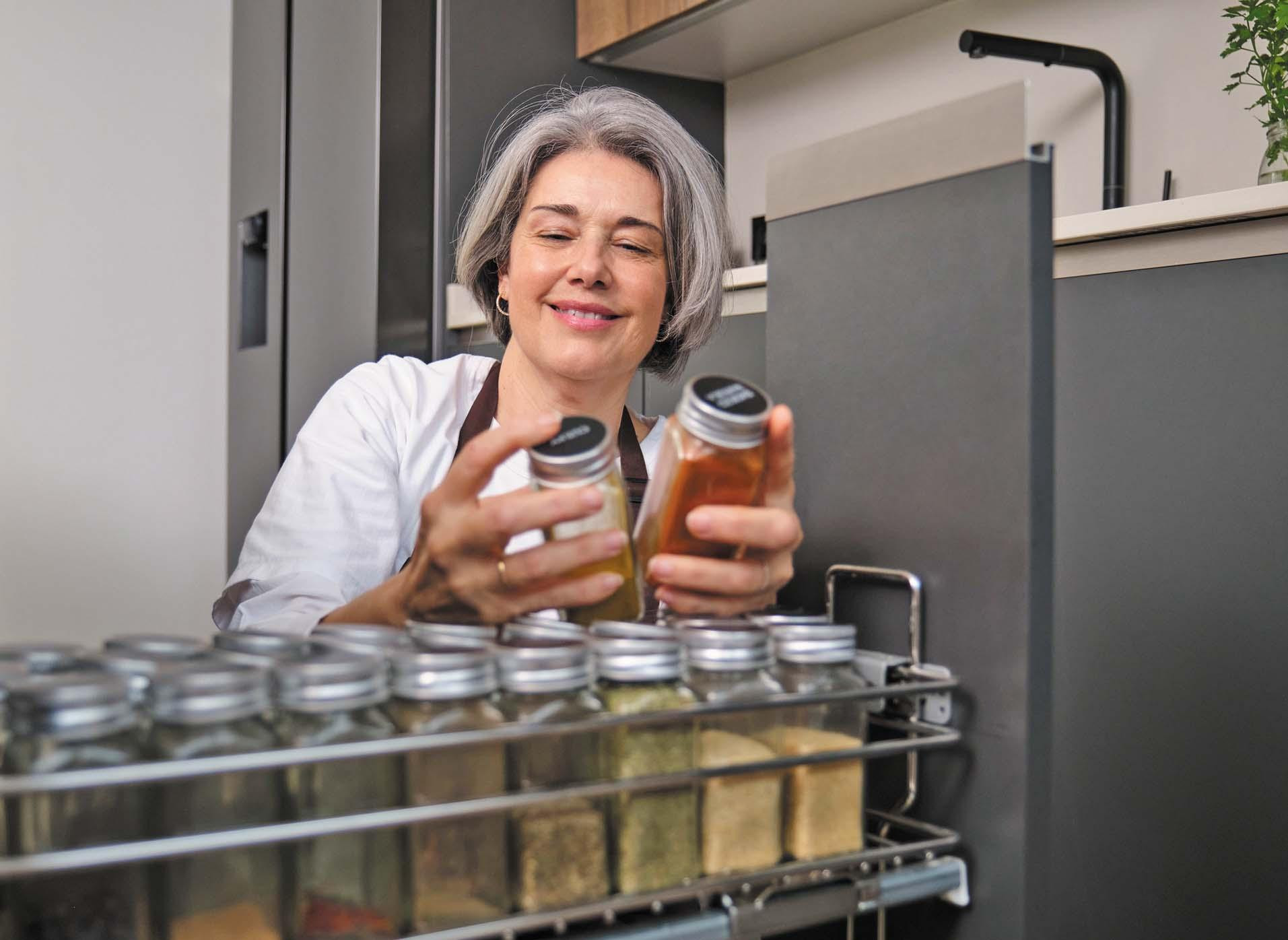
Spice up your holidays
Many spices inhibit damaging inflammation that can cause or worsen a variety of chronic diseases. Four beloved holiday spices-cinnamon, cloves, ginger, and turmeric-boast a variety of health benefits, but need to be used liberally to maximize the effects. People can challenge their palates to use more spices all year long by trying new recipes, testing spices in restaurant or ready-made meals, and bringing spice-laden dishes their ancestors once enjoyed to their own tables.
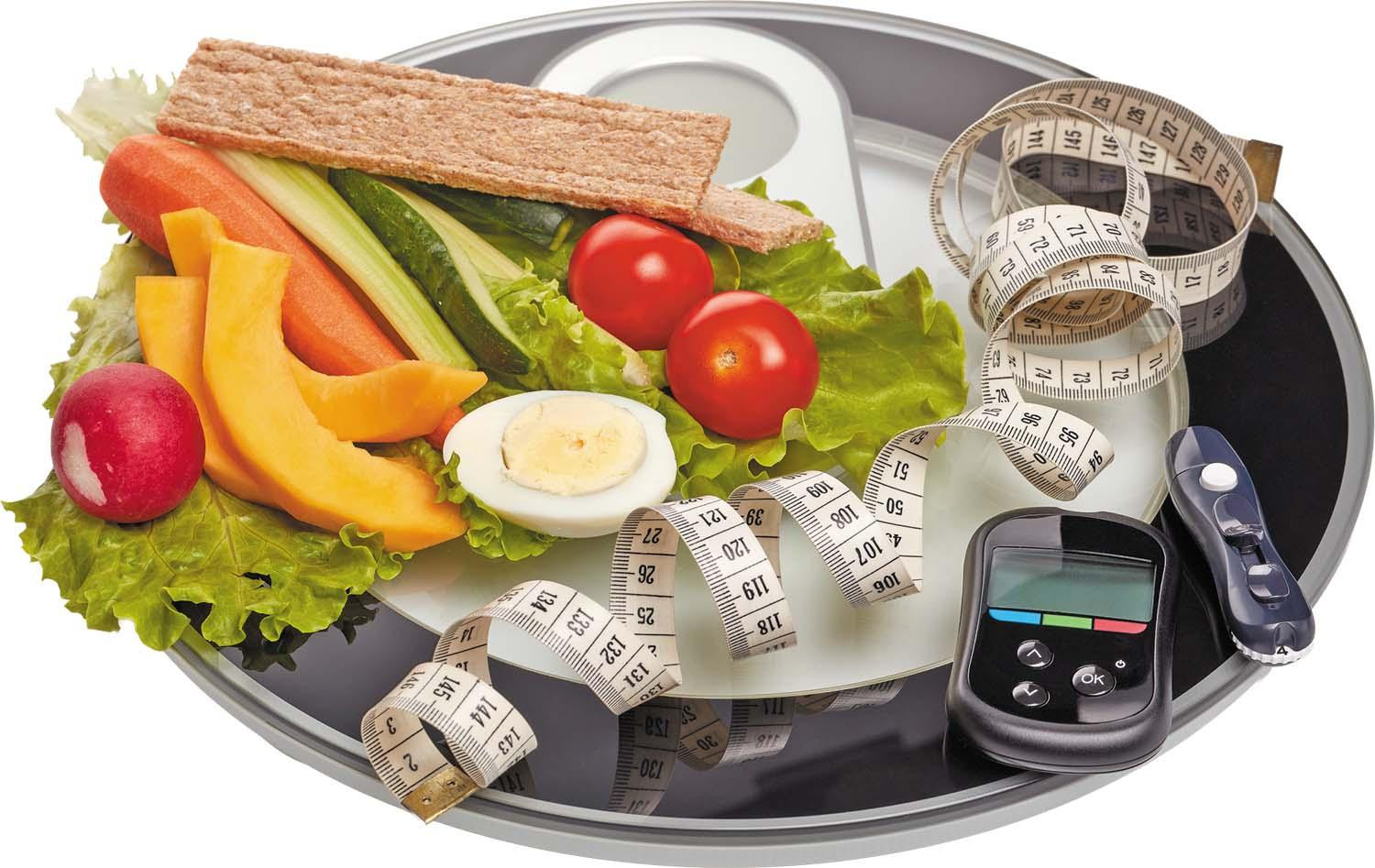
The case for watching your blood sugar
Being mindful of how various factors affect blood sugar levels can help people avoid fatigue, curb cravings, boost mood, and manage weight. Blood sugar spikes after people eat carbohydrate-heavy foods, soon dropping again. Eating balanced meals and snacks that include protein, fat, and carbohydrates can maintain more stable blood sugar levels. People can keep blood sugar levels consistent by timing meals, practicing portion control, prioritizing healthy foods, staying active, avoiding smoking, and keeping a food log.
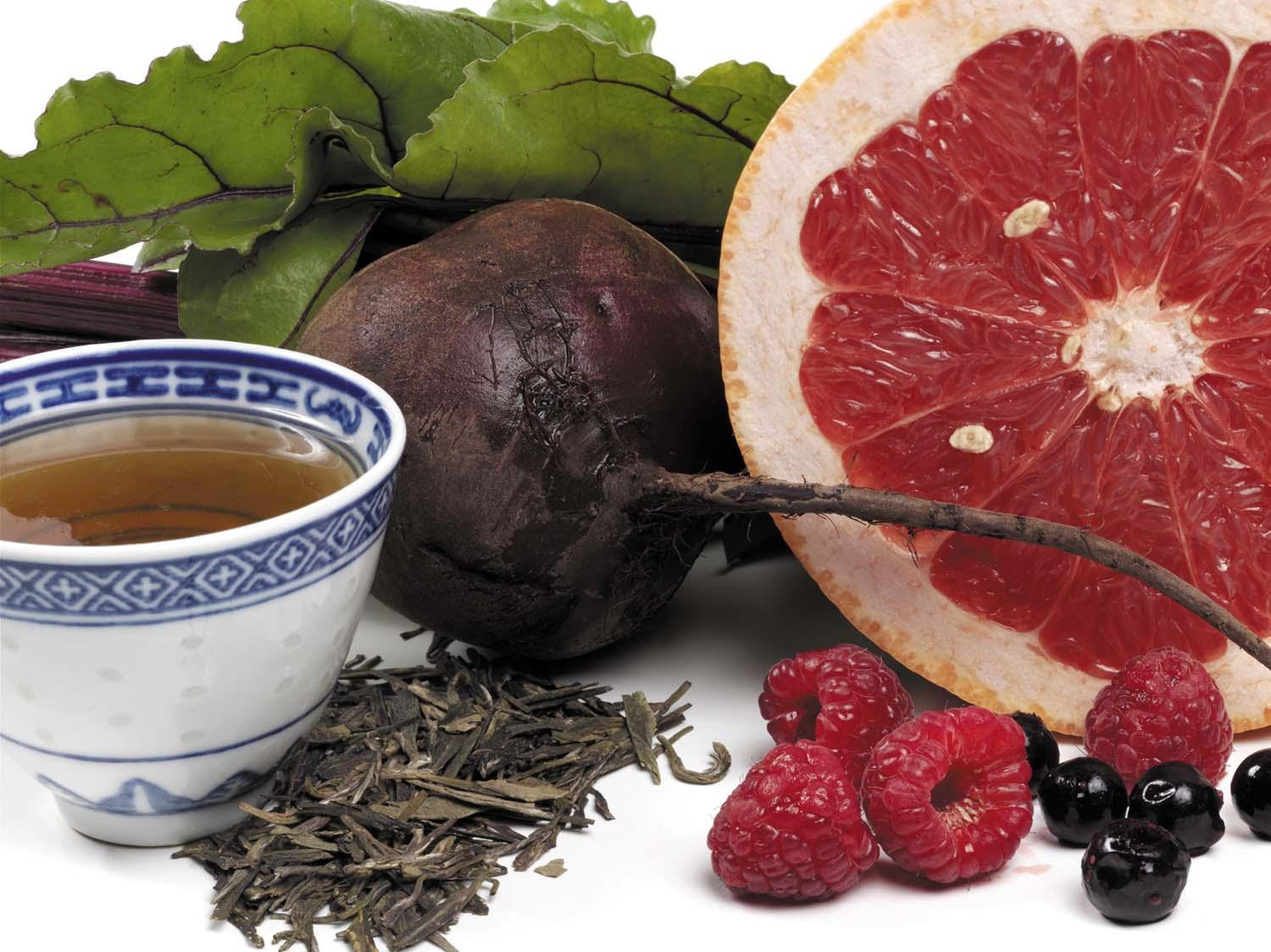
Flavonoid-rich foods may fuel healthier aging
A 2025 study suggests that consuming higher amounts of flavonoids such as berries, apples, oranges, and black tea may promote healthier aging, particularly in women.
Hip bursitis vs. arthritis: How to tell the difference
Fitness for longevity: Which type matters most?
Ministrokes linked to elevated risk of dementia
Continuous glucose monitors benefit people who don't need insulin
CoQ10: Should you take this popular supplement if you're on a statin?
Microplastics: A hidden health threat?
Oat vs. dairy milk: Nutrition, benefits, and downsides
What is tempeh? Benefits, nutrition, and how to use it
Healing after food poisoning
Whole grains may improve several heart risk factors at once
Free Healthbeat Signup
Get the latest in health news delivered to your inbox!
Sign Up
